IEA: Renewables to Surpass Coal as Top Global Power Source in 2026
Renewable generation growth of over 8% and global demand advancing by 3.6% in 2026 mark a new watershed for the global electricity sector.
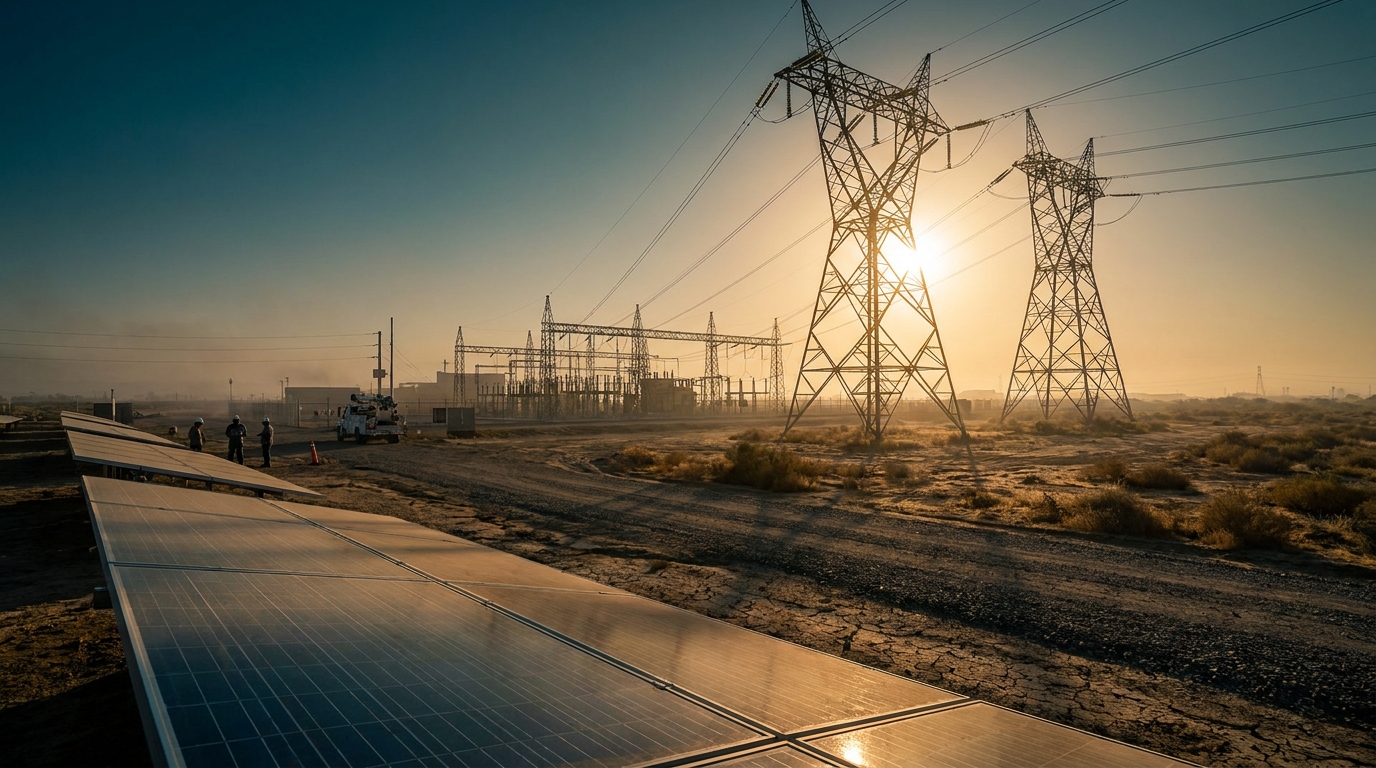
Renewable electricity generation will surpass coal for the first time in 2026, driven by annual renewable production growth of over 8% and global electricity demand advancing by 3.6% this year, according to the International Energy Agency (IEA) report *Electricity 2026*.
The basket of renewable technologies (solar, wind, hydroelectric and others) will rise from representing 33% of global electricity generation in 2025 to 37% in 2027, while coal will decline to 32%, its lowest share in nearly a century. Global demand will reach 30,700 terawatt-hours (TWh) in 2027, up from 28,600 TWh in 2025, propelled by industrial electrification, electric vehicles, air conditioning and the expansion of data centers. In parallel, nuclear generation will reach a new record in 2026 and natural gas generation will grow by 1.3% annually, according to the same report. According to Argus Media, emerging economies will absorb nearly 80% of additional electricity consumption until 2030, with China accounting for almost half of the increase.
Photovoltaic solar energy is the main driver of the transition: it will add more than 600 TWh of new generation in 2026, matching the 2025 record and surpassing wind as the second largest individual renewable source after hydroelectric. China will grow by 5.5% in electricity demand this year and India by 7%, while the United States and the European Union advance by approximately 2% each. In the United States, the IEA estimates that nearly half of consumption growth stems from the rapid expansion of data centers, a phenomenon that is already straining transmission infrastructure in corridors such as ERCOT and has direct implications for the flow of natural gas from the Permian Basin to Mexico. Global electricity sector CO2 emissions will rise by around 1% in 2026 and stabilize in 2027, as renewable and nuclear advancements offset the use of coal.
The report warns that more than 2,500 gigawatts (GW) of renewable generation projects, storage and large loads remain stuck in interconnection queues globally. The speed at which these transmission investments are unblocked will determine whether the sector's decarbonization trajectory accelerates or stagnates toward 2030.
This note was drafted with artificial intelligence assistance based on verified sources and reviewed by a human editor before publication.
Sources
Related stories
This article was drafted with AI assistance from verified sources and reviewed by a human editor before publication.