Goldman: 60% of Gulf Oil Will Bypass Strait of Hormuz by 2028 via Seven New Pipelines
Saudi Arabia, the UAE, and Iraq are constructing at least seven pipelines toward the Red Sea and Mediterranean to reduce dependence on the Strait of Hormuz.
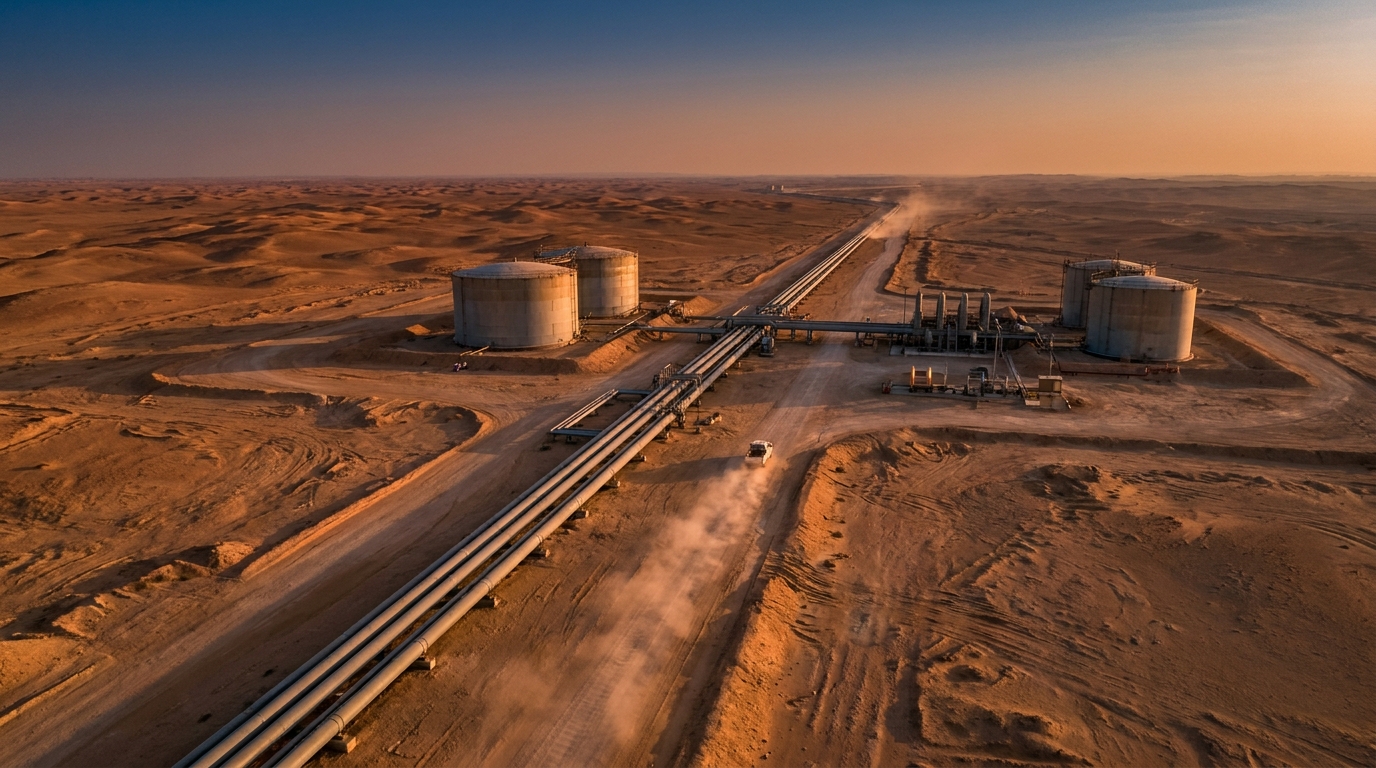
Gulf oil producers are accelerating at least seven pipeline projects to bypass the Strait of Hormuz. Existing capacity on alternative routes, 6.5 million barrels per day (bpd) between Saudi Arabia's East-West pipeline and the UAE's Habshan-Fujairah line, was already operating near its limit, according to reports from Associated Press and Bloomberg on July 23, 2026.
Prior to the conflict between the United States and Iran, approximately 15 million bpd, equivalent to one-fifth of globally traded crude oil, transited the strait. The de facto closure of this route pushed Brent crude to $100 per barrel, its highest level since May, with direct impact on the price of Mexico's export blend and the cost of fuel imports for Latin America. Saudi Arabia and the United Arab Emirates (UAE) operate their alternative pipelines, constructed in the 1980s and 2012 respectively, but both sections have reached maximum capacity. The response is structural: building new outlets toward the Red Sea, the Mediterranean, and the Gulf of Oman.
Abu Dhabi is constructing a second pipeline to Fujairah, 300 kilometers long and costing $3 billion, which will add an additional 1.2 million bpd. The project is halfway complete and expected to conclude by mid-2027, according to data firm Kpler, as cited by Euronews. Iraq, which derives nearly 90 percent of its fiscal revenues from oil, is negotiating the rehabilitation of the Kirkuk-Baniyas pipeline. This project will connect its northern fields to the Syrian Mediterranean coast, with an initial capacity of 2 million bpd; Chevron is leading the executing consortium, reported Iraqi state media. Goldman Sachs projects that total capacity to bypass the strait, combining existing and new pipelines, will reach 60 percent of pre-war Gulf exports (23 million bpd) by 2028. New sections will add 3.8 million bpd by late 2027 and 7.3 million bpd by 2028.
Diversification does not eliminate all risks. The Houthis, backed by Iran, attacked two Saudi oil tankers in the Red Sea on July 23. Additionally, liquefied natural gas (LNG), of which Qatar is the world's top exporter, has no pipeline alternative. For Latin American importers, the reconfiguration of routes redefines supply timelines and costs but does not resolve volatility while the conflict persists.
This note was drafted with artificial intelligence assistance based on verified sources and reviewed by a human editor before publication.
Sources
Related stories
This article was drafted with AI assistance from verified sources and reviewed by a human editor before publication.