Gartner Projects $1.43 Trillion in AI Infrastructure Spending for 2026
The consultancy estimates $2.59 trillion in global AI spending in 2026, with $1.43 trillion earmarked for infrastructure.
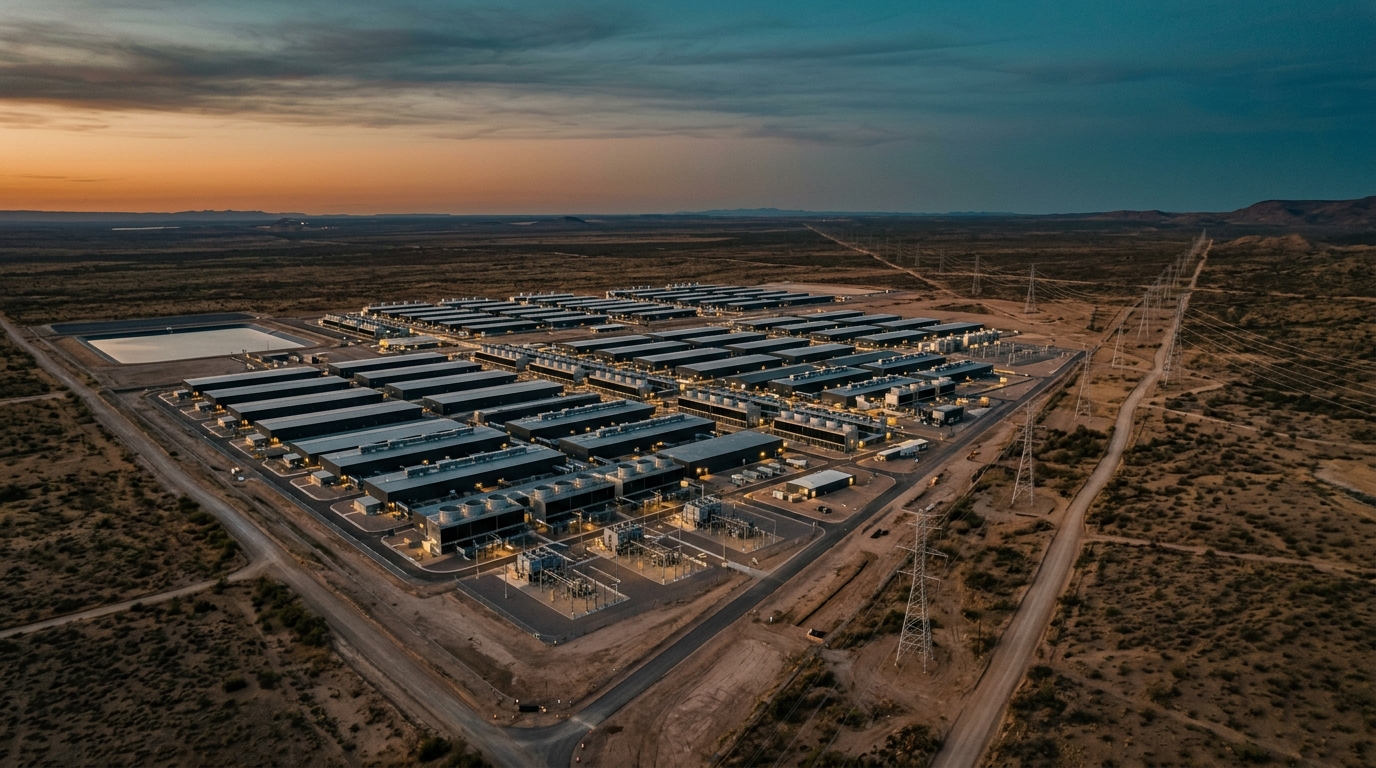
Gartner projects that global spending on artificial intelligence (AI) will reach $2.59 trillion in 2026, with $1.43 trillion of that figure directed toward infrastructure: data centers, semiconductors, energy, and networks. That amount is equivalent to 4.6 times the Apollo program adjusted for inflation, according to El País on September 5.
The outlay reflects the scale that models have reached: Moonshot AI trained its Kimi K3 system on 2.6 trillion parameters, a thousand times more than the 117 million in the original GPT-1, the same outlet reported. Separately, Morgan Stanley estimates that AI-related infrastructure investment will total nearly $3 trillion globally by 2028, with more than 80% of that spending still ahead, including electricity generation. Amazon, Alphabet, Meta, and Microsoft alone plan to invest 630,000 million euros this year, up from 360,000 million in 2025.
For Latin America, the strategic relevance of this phenomenon lies in its binding constraint: electricity. Grid availability and water access thus emerge as the factors that determine where the next wave of data centers will be built. In Texas, those facilities are projected to go from 49,000 million gallons (185,000 million liters) to 399,000 million gallons of water per year by 2030, according to the Houston Advanced Research Center as cited by El País. Journalist Karen Hao, also cited by the outlet, projects that by 2030 these facilities will consume 8% of U.S. electricity, up from 3% in 2022, and a Business Insider investigation, also cited by El País, places 40% of new projects in water-stressed areas. Between January and March, local residents blocked or delayed 75 projects valued at $115,000 million, according to Data Center Watch.
The 2026 spending figure represents only the first installment: Morgan Stanley projects that more than 80% of the outlay toward 2028 has yet to be deployed. The region will watch whether that capital, concentrated today in the southern United States, runs up against water and grid constraints as its operational ceiling, or whether part of the spending migrates to Latin America in search of interconnection capacity.
This article was written with artificial intelligence assistance based on verified sources and reviewed by a human editor before publication.
Sources
Related stories
This article was drafted with AI assistance from verified sources and reviewed by a human editor before publication.