Equinor Nearly Doubled Profits to $11.5bn; Crude and Gas Surge on Iran-US War
Norwegian oil major Equinor reported $11.5 billion in adjusted earnings in Q2 2026, nearly double the year-prior figure, as the Strait of Hormuz blockade drove energy prices sharply higher.
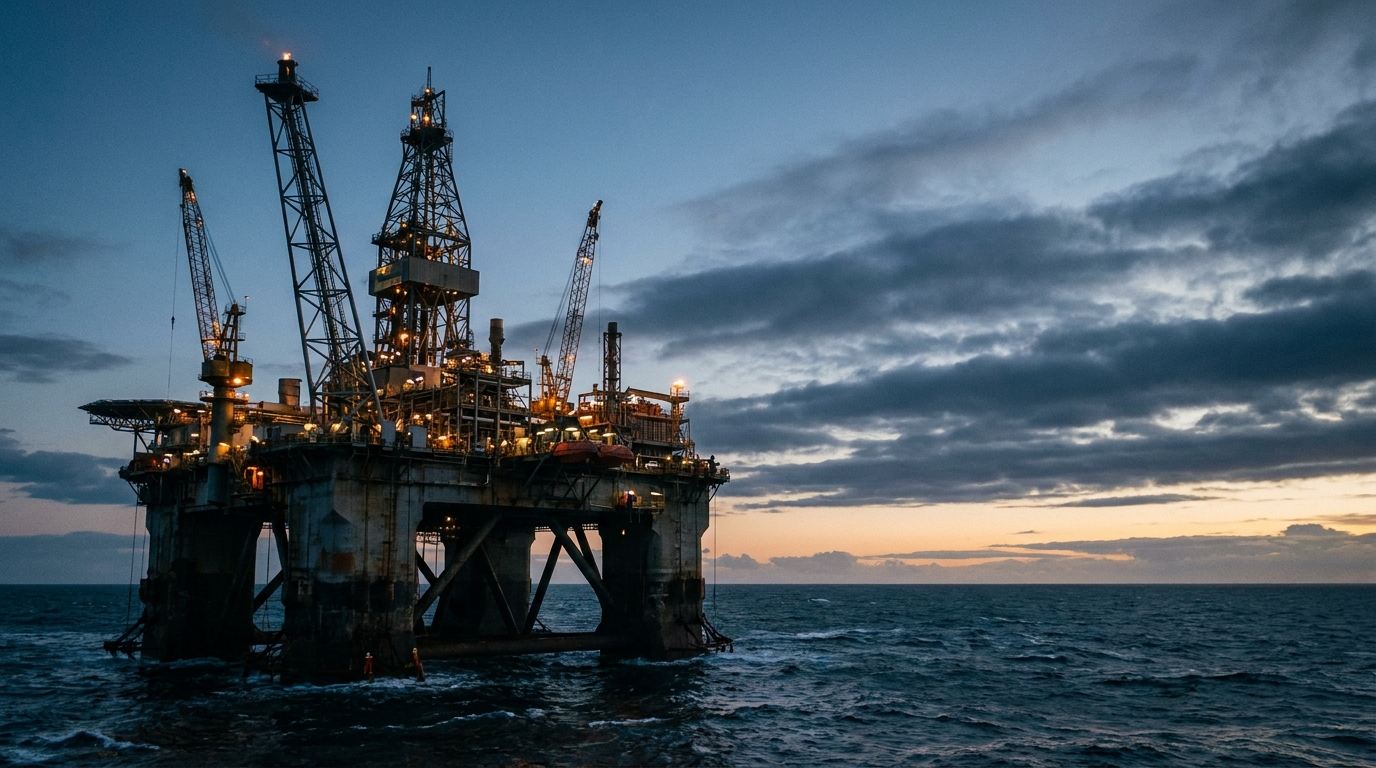
Equinor reported adjusted earnings of $11.5 billion in the second quarter of 2026, nearly double the $6.5 billion posted in the same period of 2025. The result exceeded analyst expectations of $11.37 billion and was driven by rising crude oil and natural gas prices following the blockade of the Strait of Hormuz during the Iran-US war, according to The Guardian.
The conflict disrupted tanker traffic through the Strait of Hormuz, a chokepoint through which roughly one-fifth of global crude supply flows. Brent crude, the international benchmark, averaged $96.68 per barrel during the quarter, 45% above the $66.71 recorded in the same period of 2025. European natural gas rose 32% to $15.79 per million BTU, according to Bloomberg. Equinor, whose North Sea fields lie outside the conflict zone, increased production 3% to 2.16 million barrels of oil equivalent per day and captured the full benefit of higher prices.
Net profit at the Norwegian company, 67% state-owned, surged to $4.84 billion from $1.3 billion in Q2 2025. Its energy trading division contributed $777 million, nearly double its own quarterly guidance, by operating in a highly volatile market. CEO Anders Opedal attributed the results to solid production during the quarter, which positioned the company to capture value from elevated prices. Equinor shares have gained 54% year-to-date, well above the 30% rise posted by the broader European energy sector. The company doubled its share buyback program to $3 billion for 2026, and the Norwegian government received approximately $6.6 billion in tax revenues from the quarter.
For Mexico, the transmission mechanism is direct: high Brent prices lift the price of the Mexican Export Blend, boosting oil revenues, but they also raise the cost of natural gas imports from the US Gulf that feed the National Electric System (SEN) and domestic industry. The duration of the conflict in Iran will determine whether these elevated price conditions persist through the second half of the year.
This article was drafted with the assistance of artificial intelligence from verified sources and reviewed by a human editor before publication.
Sources
Related stories
This article was drafted with AI assistance from verified sources and reviewed by a human editor before publication.