ECLAC Maps Seven Transmission Channels of the Oil Shock Across Latin America
The agency models three Brent price scenarios and identifies asymmetric impacts: Mexico, despite exporting crude, faces inflationary risk of up to 4 percentage points.
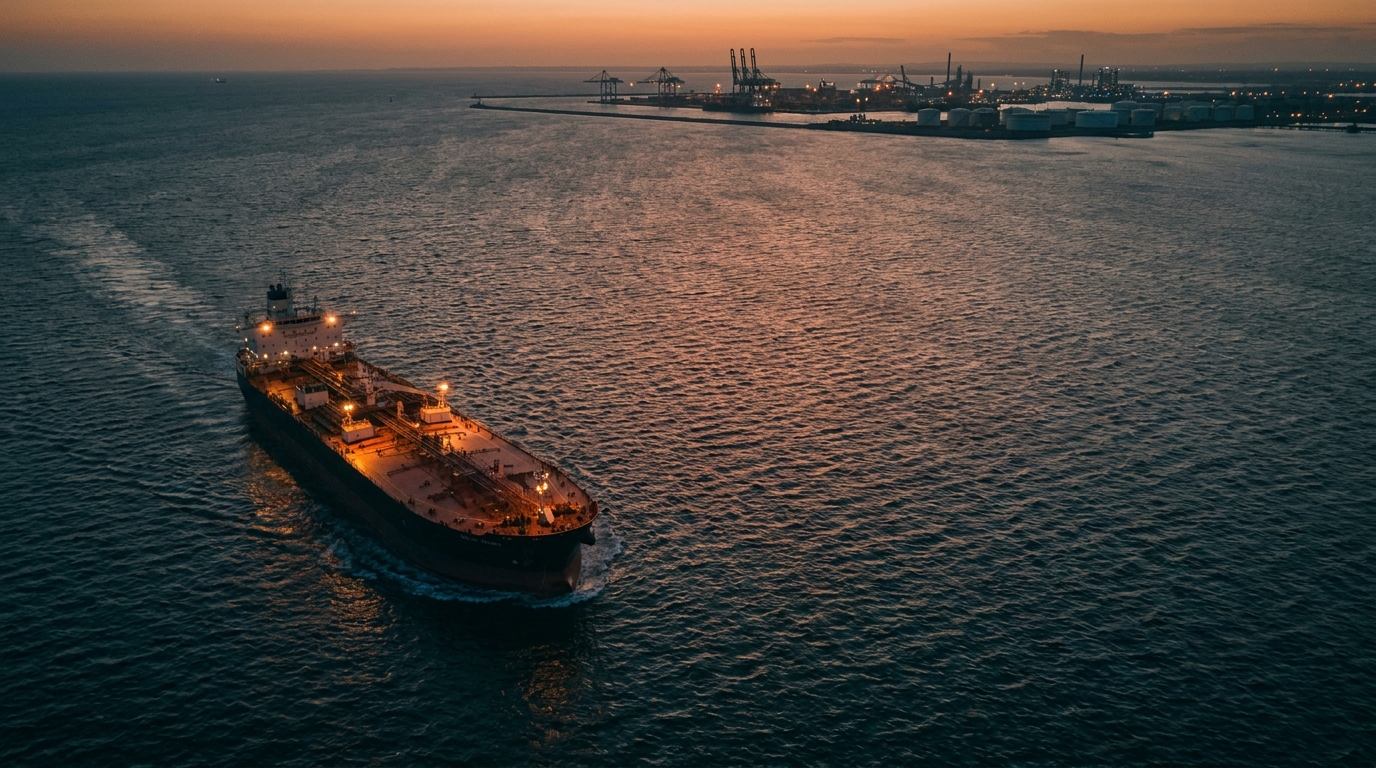
The Economic Commission for Latin America and the Caribbean (ECLAC) published on July 10 a special report identifying seven channels through which the conflict in Iran and the closure of the Strait of Hormuz transmit the oil shock to the region's economies. Mexico, despite being a net crude exporter, faces a vulnerable position: its imports of refined petroleum products exceed the value of its crude exports, leaving a net negative balance in the face of rising prices.
The report models three scenarios for the Brent price in 2026: $86 per barrel in the moderate case, 25% above the 2025 average; $95 in the middle scenario, 38% above; and $115 in the severe scenario, 67% above. In April, crude already averaged $120, an increase of roughly 70% relative to pre-February 28 levels, when hostilities began and the strait through which roughly 20% of the world's oil and gas transits effectively closed.
The seven channels identified are: trade, fiscal, inflation, global slowdown, financial, monetary policy, and economic growth. For net energy importers, all operate in the same negative direction. On the trade channel, the regional balance improves by just 0.05 percentage points of GDP under the moderate scenario, but Central America and the Caribbean lose up to 0.9 points, a figure that widens to 2.4 under the severe scenario. Guyana, at the opposite extreme, gains 17 points of GDP.
On inflation, Mexico faces an increase of up to 4 percentage points in the most adverse scenario, one of the highest impacts in the region alongside the Dominican Republic at 4.6 points and Honduras at 3.7 points, according to the report as cited by Bloomberg Línea. The Mexican peso has accumulated a depreciation of 4.1% against the dollar since late February. The agency also documents a 44% increase in fertilizers and 82% in urea, putting pressure on food prices across the region.
ECLAC reduced its regional growth forecast for 2026 from 2.3% to 2.2% and warns that normalizing traffic through Hormuz and restoring productive capacity in the Persian Gulf will be slow processes. The effects of the shock, the agency concludes, will extend throughout the year even if hostilities subside.
This article was written with the assistance of artificial intelligence based on verified sources and reviewed by a human editor before publication.
Sources
Related stories
This article was drafted with AI assistance from verified sources and reviewed by a human editor before publication.