DOE Redirects $500 Million From Clean Steel to Coal Blast Furnace
The U.S. Department of Energy changed the scope of a grant intended to decarbonize the Middletown, Ohio steel plant, which will now modernize its coal blast furnace instead.
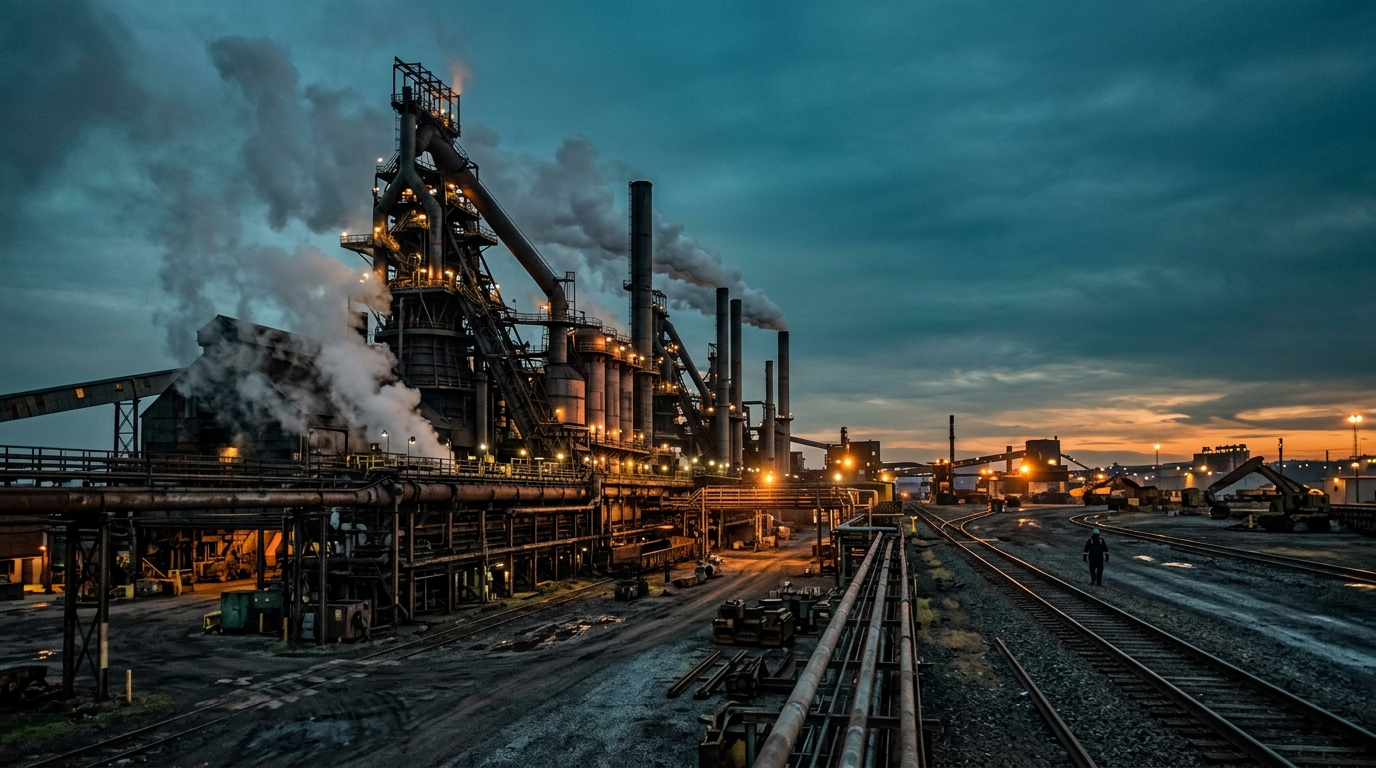
The U.S. Department of Energy (DOE) confirmed on Friday, August 21, that it will redirect a $500 million grant, awarded in 2024 to decarbonize the Middletown, Ohio steel plant, toward modernizing its coal blast furnace. The original plan was to replace that furnace with a hydrogen-ready direct iron reduction (DRI) plant and two electric arc furnaces.
The DOE attributed the change to the unwillingness of customers of Cleveland-Cliffs, which produces steel for auto body panels, trucks, and SUVs, to pay a price premium for decarbonized steel. In its statement, the department noted that the business case for the original scope no longer held for that reason, and that the agency and the company jointly identified a viable alternative to modernize the existing blast furnace. The grant came from the DOE's $6,300 million program to decarbonize manufacturing, funded primarily by the Inflation Reduction Act of 2022, according to Canary Media.
The revised plan envisions a total project cost of $1,000 million, with $500 million contributed by Cleveland-Cliffs, to rehabilitate and optimize the blast furnace, built 73 years ago, extending its operational life by two decades. It includes a cogeneration plant that captures waste gases from the furnace to generate steam and electricity, along with artificial intelligence tools for plant operations. According to the DOE, the project preserves approximately 2,300 jobs and creates 1,500 construction jobs. Cleveland-Cliffs CEO Lourenco Goncalves defended the decision as a means of preserving the blast furnace route for producing exposed-grade steels in the United States. Environmental groups and Middletown residents questioned the pivot: the Sierra Club said the funds were intended for technologies designed to accelerate emissions reductions, and a former DOE official noted that Congress conditioned the grant on projects oriented toward net-zero emissions.
The next milestone is the Ohio Environmental Protection Agency's decision on the project's air permit, whose draft projects increases in six pollutants. For the region, this pivot documents the limits of the economics of industrial decarbonization when the cost falls on the final price of steel, the same question facing the steel sector across Latin America, including Mexico.
This article was drafted with artificial intelligence assistance from verified sources and reviewed by a human editor before publication.
Sources
Related stories
This article was drafted with AI assistance from verified sources and reviewed by a human editor before publication.
← All news