Supreme Court's 6-3 Ruling Strips FERC Independence, Putting U.S.-Mexico Energy Links at Risk
The U.S. Supreme Court strips FERC of its institutional independence with a 6-3 ruling, introducing regulatory risk for energy infrastructure projects between Mexico and the United States.
The U.S. Supreme Court on June 29, 2026, stripped the Federal Energy Regulatory Commission (FERC) of its institutional independence with a 6-3 ruling in Trump v. Slaughter. The decision reverses the 1935 Humphrey's Executor precedent and allows the president to remove commissioners of independent regulatory agencies without cause.
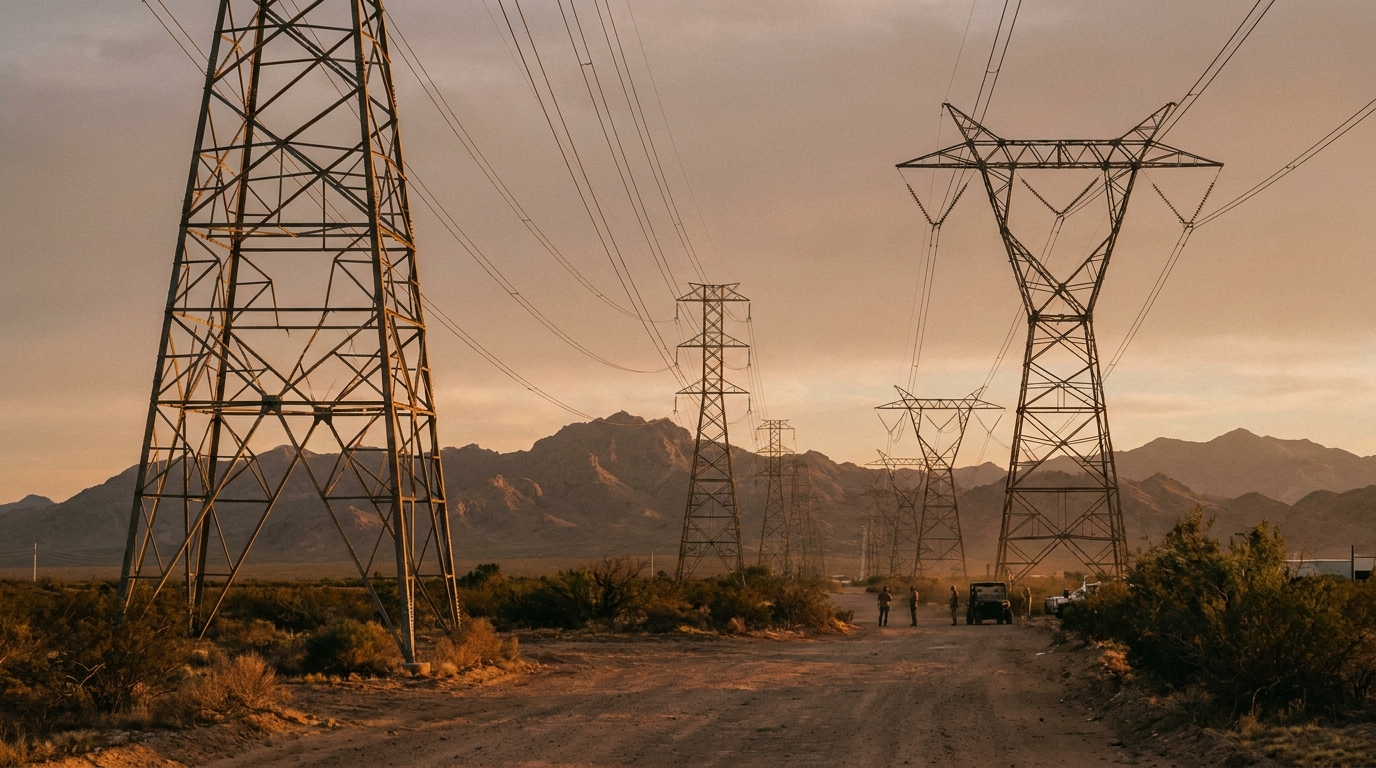
FERC regulates interstate electric transmission rates, natural gas pipelines, and liquefied natural gas (LNG) export terminals in the United States. Its mandate covers cross-border electric interconnections with Mexico (including links between ERCOT and Mexico's National Electric System) and export permits for gas crossing the border from the Permian Basin, which supplies the bulk of the natural gas Mexico consumes. Justice Sonia Sotomayor, in her dissent, explicitly named FERC among the agencies whose independence is now nullified, according to E&E News.
The court majority, through Chief Justice John Roberts's opinion, held that the Federal Trade Commission (FTC), the original subject of the case, exercises executive power and must therefore fall under the control of the chief executive, according to Heatmap News. The ruling extends to all federal agencies with commissioners appointed for fixed terms, whose statutory protections against removal without cause are now invalidated. The dissent warned that the decision will transform dozens of independent commissions into purely executive agencies, concentrating power in the presidency.
For developers of binational energy infrastructure, the ruling introduces a new regulatory risk factor. A FERC aligned with the U.S. executive's political agenda changes the institutional stability profile used to evaluate transmission and gas export projects between the two nations. Former FERC commissioners who filed an amicus brief in the case warned that the decision eliminates the structural safeguards Congress built into rate-setting commissions, according to Heatmap News.
On the same day, the Court issued a separate ruling that preserved the Federal Reserve's independence, without extending that protection to FERC or other regulatory agencies. The implications for North American natural gas and electricity markets will become clearer as the commission's new composition translates into decisions on rates, cross-border infrastructure permits, and export contracts.
This article was drafted with artificial intelligence assistance from verified sources and reviewed by a human editor before publication.
Sources
Related stories
This article was drafted with AI assistance from verified sources and reviewed by a human editor before publication.