Clean Energy Weathers the U.S. Tax Cut, but Permitting Is Stalling Investment
One year after the U.S. clean energy tax cut, renewables dominate new capacity, but 92 GW of projects are held up by permitting backlogs, tariffs, and domestic-content rules.
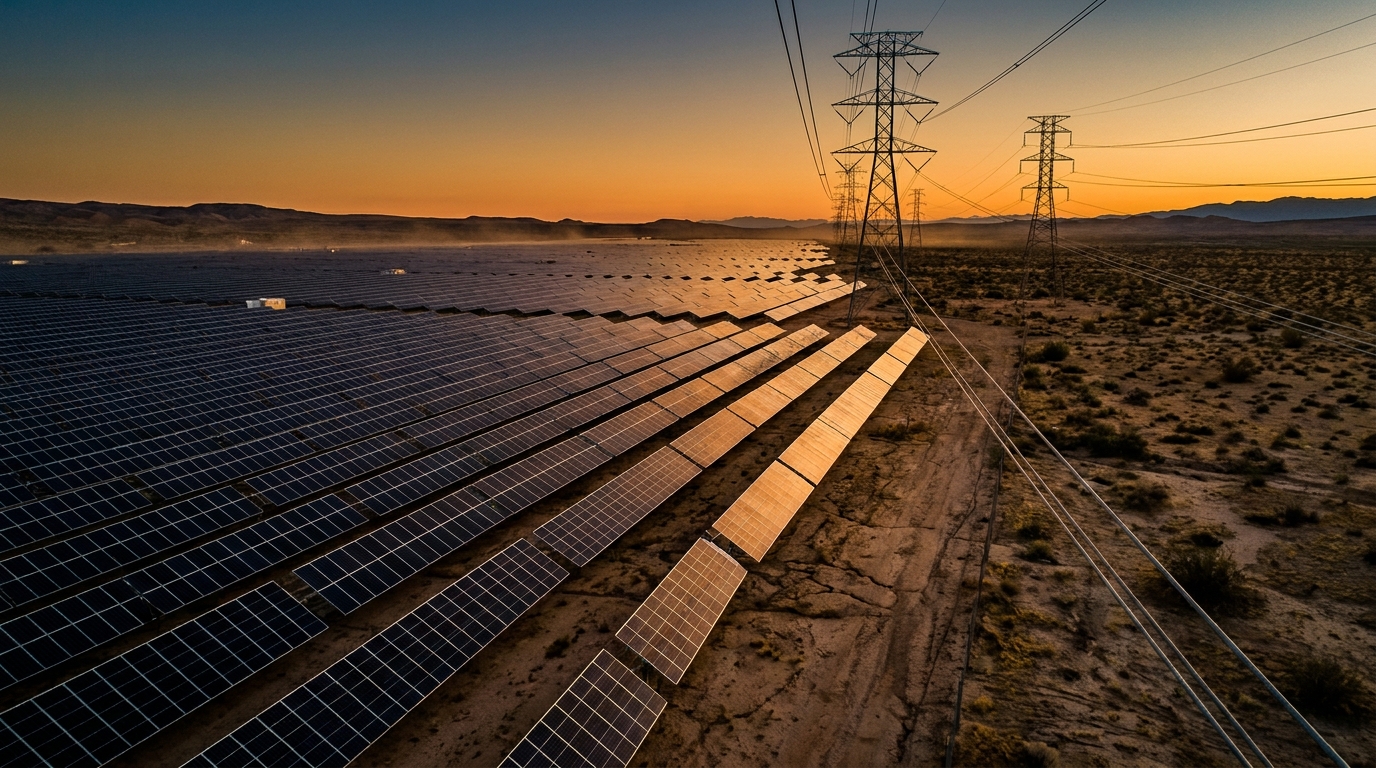
One year after the United States cut clean energy tax credits through the One Big Beautiful Bill (OBBB), signed on July 4, 2025, renewables did not collapse: they accounted for more than 90% of new electricity capacity added in 2025, and the Energy Information Administration (EIA) projects they will represent 93% of additions in 2026.
Yet 92 gigawatts (GW) of projects valued at $121 billion, according to Wood Mackenzie, face a triple blockade of permitting delays, tariffs, and domestic-content rules. The OBBB repealed substantial portions of the Inflation Reduction Act (IRA), which had been projected to mobilize up to $1.2 trillion toward the energy transition, according to Canary Media. Tax credits were preserved only for developers that reached construction milestones before July 4, 2026. Most at-risk projects managed to break ground before that date and have four years to reach commercial operation while retaining the incentive, Latitude Media reported.
Jason Clark, director of Power Brief, identified three distinct headwinds. The first is the permitting blockade: five Trump administration policies, including a requirement that the Interior Secretary personally sign approvals that career staff previously handled, have frozen federal authorizations. A court suspended those policies, but the government's appeal keeps the outcome uncertain. The industry has shifted from lobbying to litigation.
The second headwind is tariffs: the temporary 10% global levy expires on July 24, 2026, with no replacement yet defined, and the Section 232 case on the polysilicon supply chain has already exceeded its legal 360-day deadline without resolution.
The third is the Foreign Entity of Concern (FEOC) rules introduced by the OBBB, which bar companies under the effective control of a prohibited country from claiming tax credits. Treasury guidance has yet to define who qualifies as a FEOC, leaving developers, insurers, and lenders unable to price the regulatory risk.
The fact that renewables absorbed the fiscal hit confirms that electricity demand, driven by data centers and electrification, carries more weight than tax policy. What happens in the coming months on permitting, tariffs, and FEOC rules will determine whether the 92 GW stuck in the regulatory anteroom moves forward, or whether capital seeks other markets, including those in Latin America.
This article was produced with artificial intelligence assistance from verified sources and reviewed by a human editor before publication.
Sources
Related stories
This article was drafted with AI assistance from verified sources and reviewed by a human editor before publication.
← All news