Chile Approves 17 Solar and Battery Projects With 1.358 MW Since August
The resolutions add at least 15.370 MWh of storage and coincide with the SEA's record quarterly environmental approval.
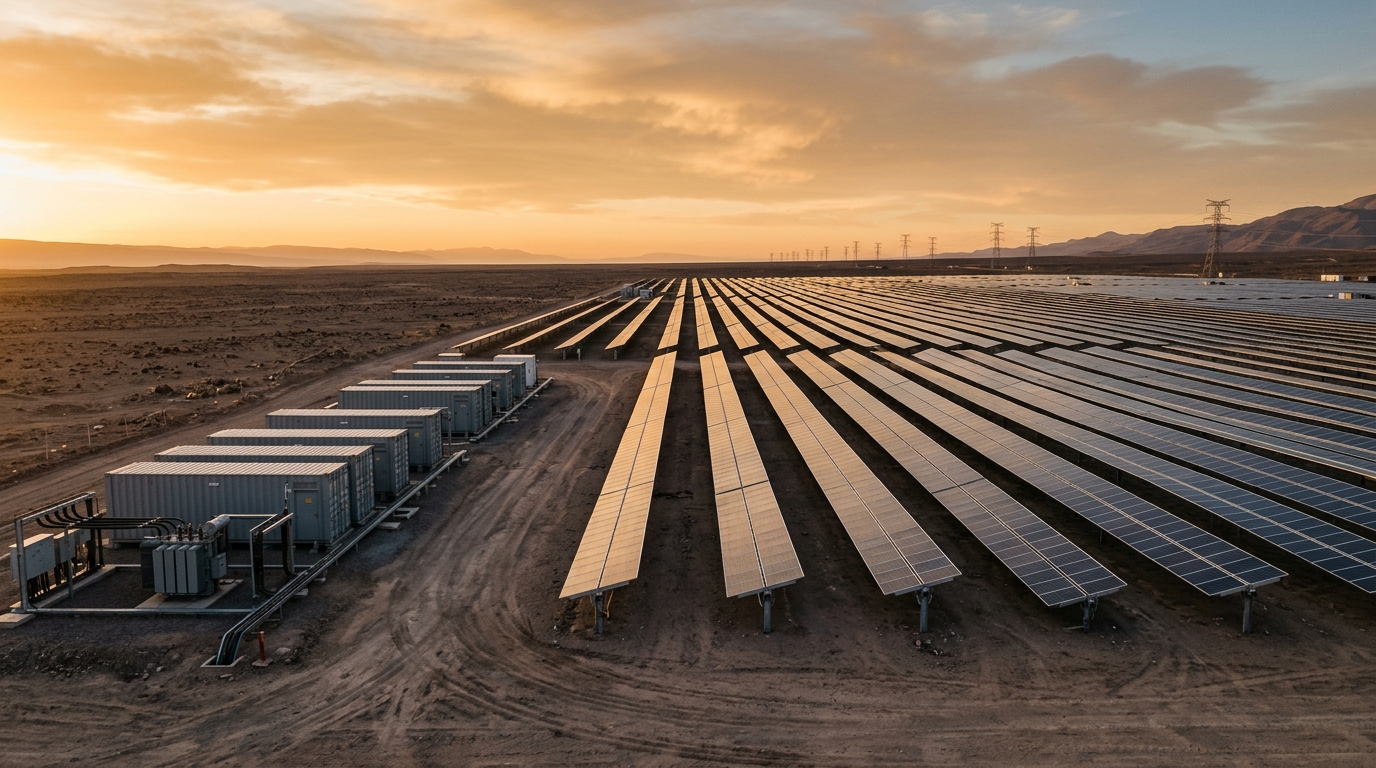
Chile's Environmental Assessment Service (SEA) approved 17 solar and battery storage (BESS) projects between the beginning of August and October 9, 2026, with 1.358,12 MW photovoltaic in direct current and at least 15.370,65 MWh of capacity, according to pv magazine Latam's count.
The figure is part of a record quarter for Chilean environmental assessment. On October 6, the SEA reported that in September the evaluation commissions (COEVA) approved 28 investment projects for 3.562 million dollars, and that the July-September quarter accumulated 19.514 million, the highest on record in its history. For the region, what matters is the composition of the solar slate: eleven of the 17 projects include batteries, with declared durations of five to six hours, the configuration that allows solar generation to be shifted to the nighttime demand peak. That portfolio competes for the same capital, modules and cells as solar and battery projects in Mexico and Brazil.
The resolutions are spread between September 15 and October 8; they are not a single batch or a single approval date:
- Ckoirama Solar (Antofagasta): 420,6 MW photovoltaic and 300 MWac, resolution dated October 6 and investment of 500 million dollars. - Peuco (Atacama): 285 MWp, 2.400 MWh of batteries and 794,53 million. - Monterrico Solar (Ñuble): 248,73 MWp, 1.200 MWh and six hours of storage, 306 million. - Kanut (Valparaíso): 381 MW and 1.906 MWh with five hours of discharge, 255 million. - Sidon Solar (Biobío and Ñuble): 158,17 MWdc, 1.296 MWh in 324 Huawei Luna2000 units and 100 million. - Lo Prado (Metropolitan Region): 2.709,12 MWh of capacity and 443 million.
The SEA list also includes Isidora Solar, in Atacama, with 262,14 million dollars. The storage count is a minimum: other resolutions include batteries without declaring verifiable energy capacity in their documents.
What follows is execution. The projects will have to connect to the National Electric System (SEN), with declared evacuation lines ranging from a few meters to 17,6 km to existing substations. The construction schedule and upcoming SEA resolutions will show whether the pace of permits translates into operating capacity.
This article was written with the assistance of artificial intelligence from verified sources and reviewed by a human editor before publication.
Sources
Related stories
This article was drafted with AI assistance from verified sources and reviewed by a human editor before publication.
← All news