Ceres Puts 3.4 Trillion Gallons of Water Linked to Data Centers
The water footprint of data centers lies in electricity generation: 3.4 trillion gallons in 2024 alone and up to 8 trillion by 2030, according to Ceres.
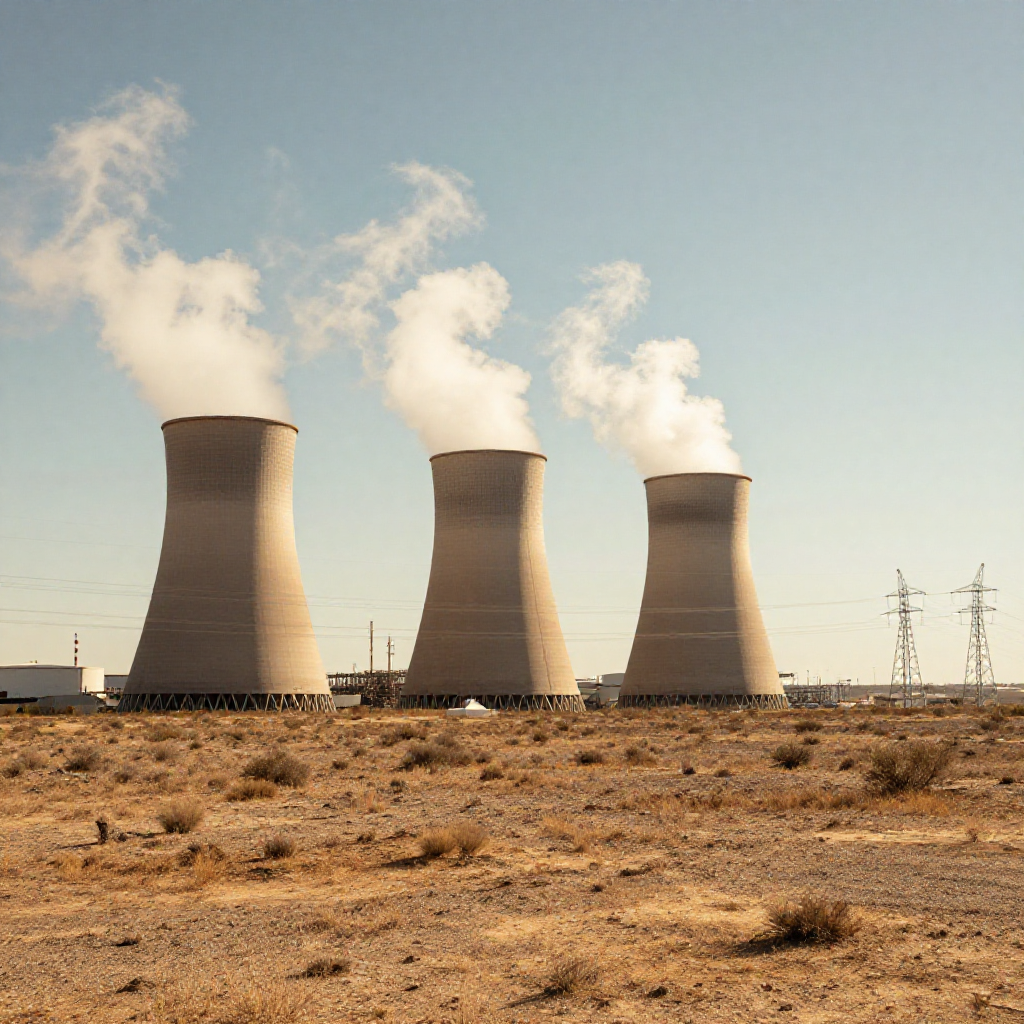
A Ceres analysis published on August 25 estimates that U.S. data centers used 3.4 trillion gallons of freshwater in 2024 for their electricity needs. That figure, 12 times the combined consumption of Los Angeles, Phoenix, and Washington, is concentrated almost entirely in power generation plants, not in on-site cooling.
The Ceres study, from an organization that advises investors, covered seven states: Arizona, California, Georgia, Illinois, Ohio, Texas, and Virginia, which together account for roughly half of the country's data centers. The projection places indirect consumption between 4 and 8 trillion gallons by 2030, as electricity demand grows with the artificial intelligence (AI) boom. For Texas, the anchor of the U.S. side of the energy bridge with Latin America, the finding adds to a series of gas-fired power plants announced to supply data centers, including the 7.65-gigawatt project that Amazon confirmed in August in the western part of the state.
Nearly two-thirds of the evaluated plants are located in areas with medium-high to extreme water stress, particularly in Arizona, which faces a long-term drought, and Illinois, which depends on nuclear power in the Mississippi and Missouri river basin. Nuclear and coal require more water for cooling; gas requires less; solar and wind require almost none. Among major cloud operators, only Meta reports its indirect water consumption, which was more than 20 times its direct consumption in 2024 and grew each year since 2021, according to its sustainability report. Amazon said it tracks the figure but does not yet disclose it due to the absence of an industry standard, according to Latitude Media. The investor guide that Ceres released alongside the study identifies water as one of seven risk areas.
Ceres will bring the topic to Climate Week New York in September, with an event on sustainable data centers. The key issue to watch is whether the industry adopts a common standard for disclosing indirect water use (currently absent) and how that risk gets incorporated into investment decisions for new gas-fired generation in Texas.
This article was written with artificial intelligence assistance from verified sources and reviewed by a human editor before publication.
Sources
Related stories
This article was drafted with AI assistance from verified sources and reviewed by a human editor before publication.