Brent Surpasses $90 After Hormuz Military Strike, Reversing Decline
Brent rises 3.4% to $91.10 after U.S. forces strike Iranian rocket launchers in the Strait of Hormuz, raising Mexico's fuel import costs.
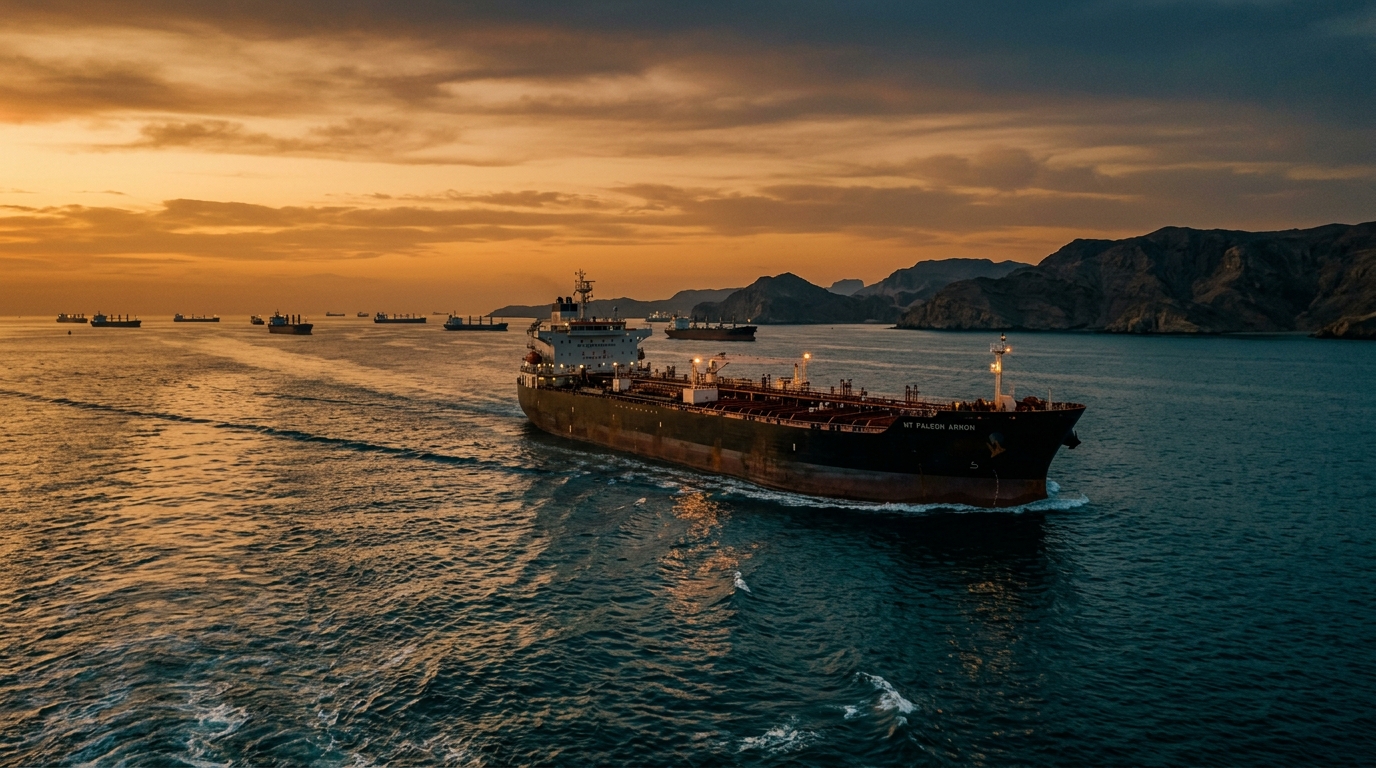
Brent crude rose 3.4% on August 31 to $91.10 per barrel, its highest level since late July, after U.S. forces struck Iranian rocket launchers in the Strait of Hormuz, according to the AP. The U.S. benchmark crude, WTI (West Texas Intermediate), advanced 3.6% to $86.40 per barrel.
The Sunday, August 30 attack was the first U.S. military action against Iran in a month, in a conflict now exceeding six months. It broke the calm that had led traders to price out part of the war premium: the previous week, Brent had fallen more than 5% to $89.31, on expectations of a diplomatic reopening of the strait, according to Bloomberg. Bloomberg reports that Hormuz channels roughly one-fifth of global oil trade and that commercial vessel traffic had dropped to between five and seven ships per day; one tanker was struck by a projectile as it entered the strait.
Iran responded with ballistic missiles against U.S. bases in Jordan, most of which were intercepted, according to the same outlet. U.S. Treasury Secretary Scott Bessent indicated that Washington would impose new secondary sanctions on Iran on a weekly basis. The geopolitical risk premium now adds more than a dozen dollars per barrel, according to analyst estimates cited by Bloomberg. For Mexico, a net importer of gasoline and diesel, a higher Brent price raises the cost of external fuel purchases; on the U.S. Gulf Coast, refining margins are widening in a tight-supply market. Average U.S. gasoline prices exceeded $4 per gallon every day in August for the first time on record, according to the AAA.
What to watch: the Treasury's weekly secondary-sanctions announcements and Hormuz shipping-transit data. DBS analysts expect Brent to hold in a range of $85 to $95 while traffic through the strait remains abnormal.
This article was drafted with artificial intelligence assistance from verified sources and reviewed by a human editor before publication.
Sources
Related stories
This article was drafted with AI assistance from verified sources and reviewed by a human editor before publication.