Brent Falls 7.6% Below $90 After US-Iran Hostilities Pause
The international benchmark surrendered most of the risk premium accumulated in July after Washington and Tehran halted reciprocal strikes over the weekend.
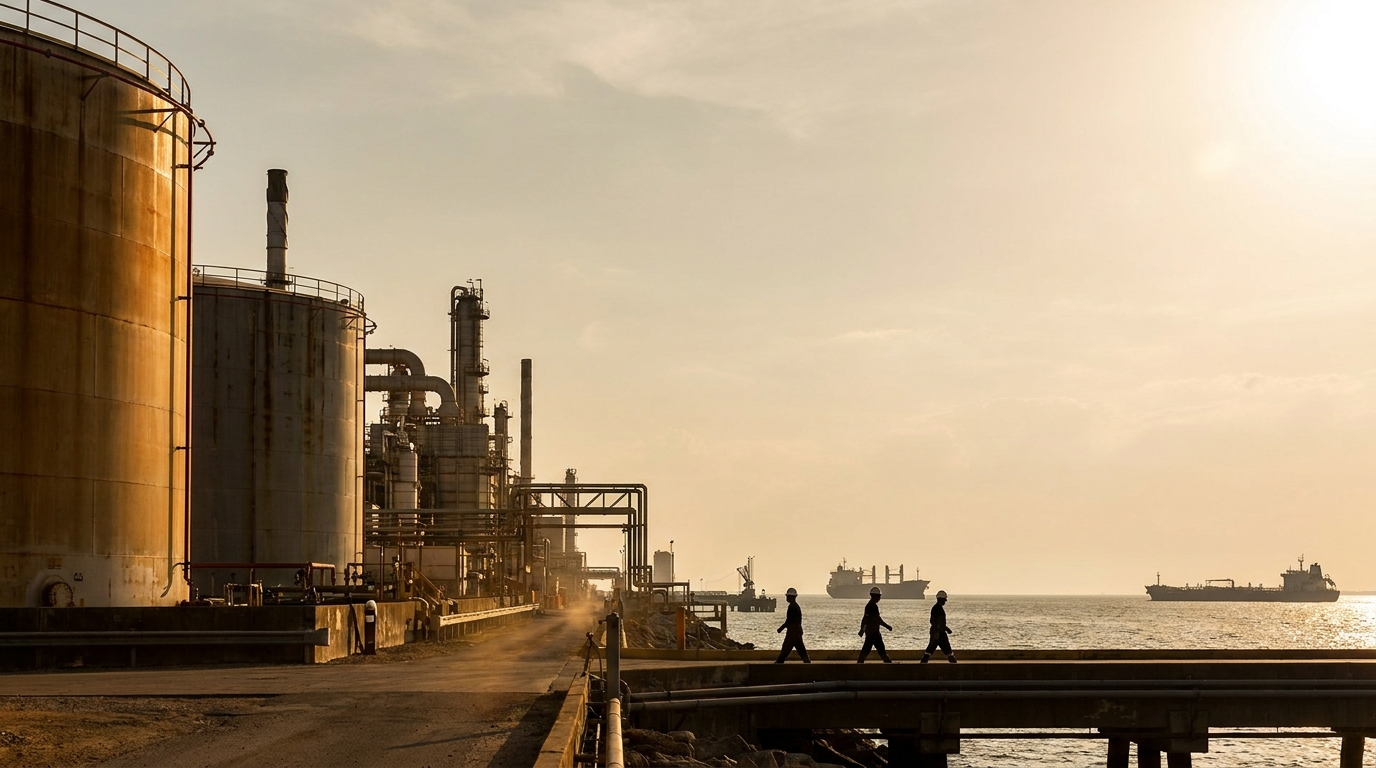
Brent crude fell 7.6% on Monday, July 27, to $89.43 per barrel, after the United States and Iran paused hostilities following 13 days of reciprocal strikes. The truce erased in a single session much of the risk premium that had pushed the benchmark above $100 the previous week, its highest level since May.
The pause came after two consecutive nights without US strikes on Iranian positions. US Ambassador to the United Nations Mike Waltz confirmed that President Trump ordered a halt to the attacks to allow space for diplomatic efforts. In response, Tehran communicated that its position is "attack for attack": if the attacks cease, Iran will also halt its operations, CNBC reported citing Reuters. The Strait of Hormuz, a critical route for global crude trade, has remained blocked since the conflict between the two countries began in February 2026. The sustained disruption of that corridor fed the price escalation throughout July.
West Texas Intermediate (WTI) for September delivery fell 6.7%, to $83.37 per barrel. BP and Shell shares on the FTSE 100 retreated 3.8% and 2%, respectively, according to The Guardian. HSBC strategist Dhiraj Narula noted that, despite the recent surge in crude prices, inflation expectations remain contained thanks to more assertive Federal Reserve communication on its commitment to price stability, per CNBC. For regional hydrocarbon exporters such as Mexico, whose Mexican Mix closely tracks the Brent trajectory, the downward correction eases short-term fiscal pressure, though it introduces volatility into oil revenue projections for the second half of the year.
Markets will closely monitor any sign of hostilities resuming or diplomatic progress toward reopening the Strait of Hormuz, the central variable in crude price expectations for the remainder of the year.
This article was drafted with artificial intelligence assistance from verified sources and reviewed by a human editor before publication.
Sources
Related stories
This article was drafted with AI assistance from verified sources and reviewed by a human editor before publication.