Antora Raises US$550 Million and Brings Thermal Batteries to Data Centers
Antora Energy closed a US$550 million Series C and is targeting AI data centers with thermal batteries, backed by a 5 GWh system already operating in South Dakota.
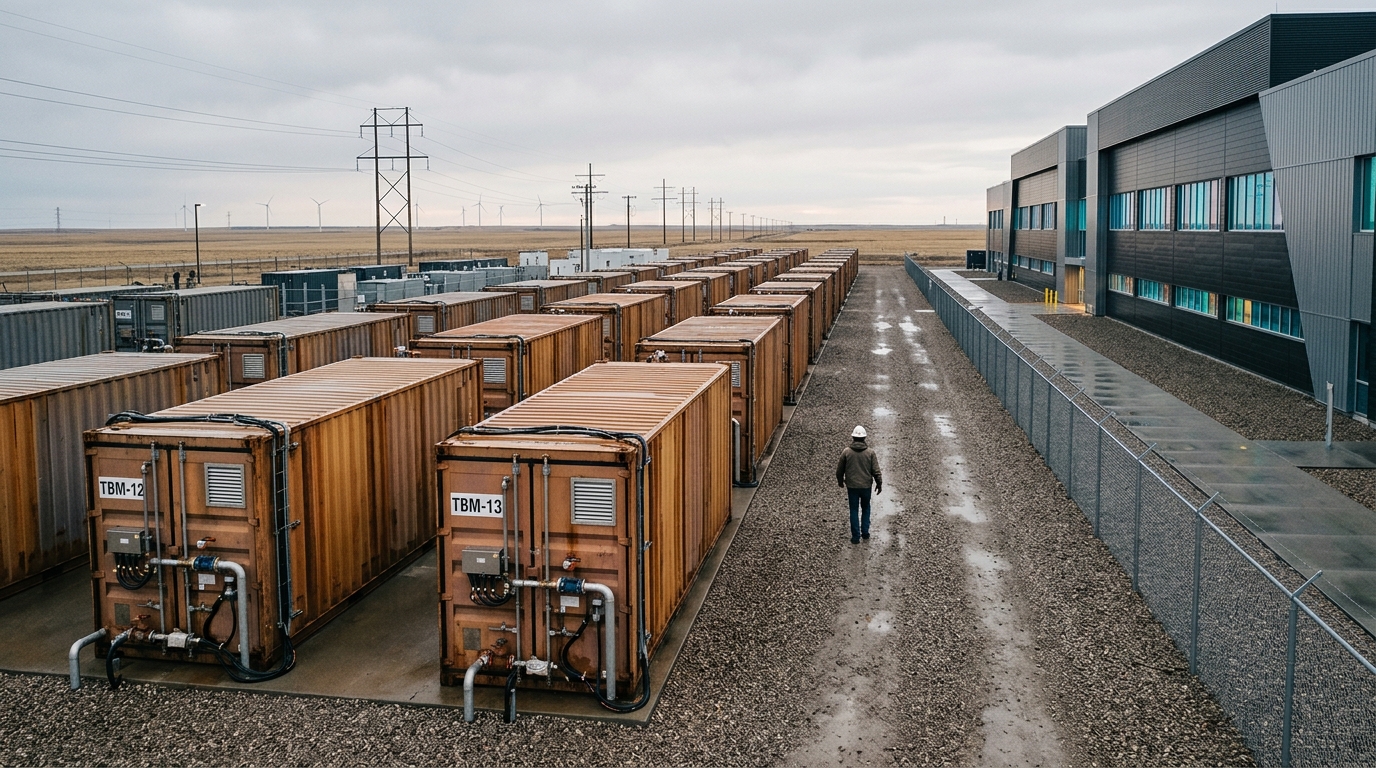
Antora Energy closed a US$550 million Series C round in July 2026, reported by Bloomberg, and named data centers as target customers, according to Latitude Media. The company already operates a 5 GWh thermal storage system in South Dakota and aims to have its heat batteries power the electricity demand of artificial intelligence (AI).
Isshu Kikuma, a storage analyst at BloombergNEF, noted that the immediate byproduct of these batteries is heat, making them well-suited for industries such as steel, cement, and chemicals. The apparent paradox, that a data center spending on cooling would install a heat battery, is resolved by the model's second output option: converting stored heat back into firm electricity via steam turbines, a service the data center market is now actively seeking. Tempo Energy, until recently known as Redoxblox, is raising a reported US$40 million Series B, and Rondo Energy has been promoting the technology for more than a year. For data center developers in Mexico and the region, the technology offers a decarbonization path cheaper than lithium, at a time when AI's electricity demand is straining the energy mix.
Antora's system in South Dakota, at the plant of biofuels producer POET, went from an empty site to delivering energy in less than a year, said Justin Briggs, co-founder and chief operating officer. Antora stores heat in carbon blocks and Tempo in metal oxide ceramic, both in modules the size of a shipping container. Antora discharges for up to 100 hours and Tempo between 5 hours and several days, durations that exceed those of lithium and make the two technologies complementary in a data center, according to Briggs. The lower cost stems from abundant materials and a mostly American supply chain, which Briggs frames as a form of energy security. In some cases, the turbine's exhaust steam can drive an absorption chiller that covers part of the site's cooling load.
Tempo's first installations, an industrial-heat pilot at a Dow Chemical plant and a steam-to-electricity conversion project in San Diego with the Electric Power Research Institute (EPRI), are scheduled for early 2027. Neither company has yet announced a contract with a data center; that first deal will be the signal to watch.
This article was written with artificial intelligence assistance from verified sources and reviewed by a human editor before publication.
Sources
Related stories
This article was drafted with AI assistance from verified sources and reviewed by a human editor before publication.
← All news