Analysts Dismiss the Off-Grid Data Center as Industry Migrates to 40 GW Behind the Meter
SemiAnalysis projects more than 40 GW of behind-the-meter generation by 2028, but analysts consulted by Latitude Media describe the off-grid model as a technical and financial fantasy.
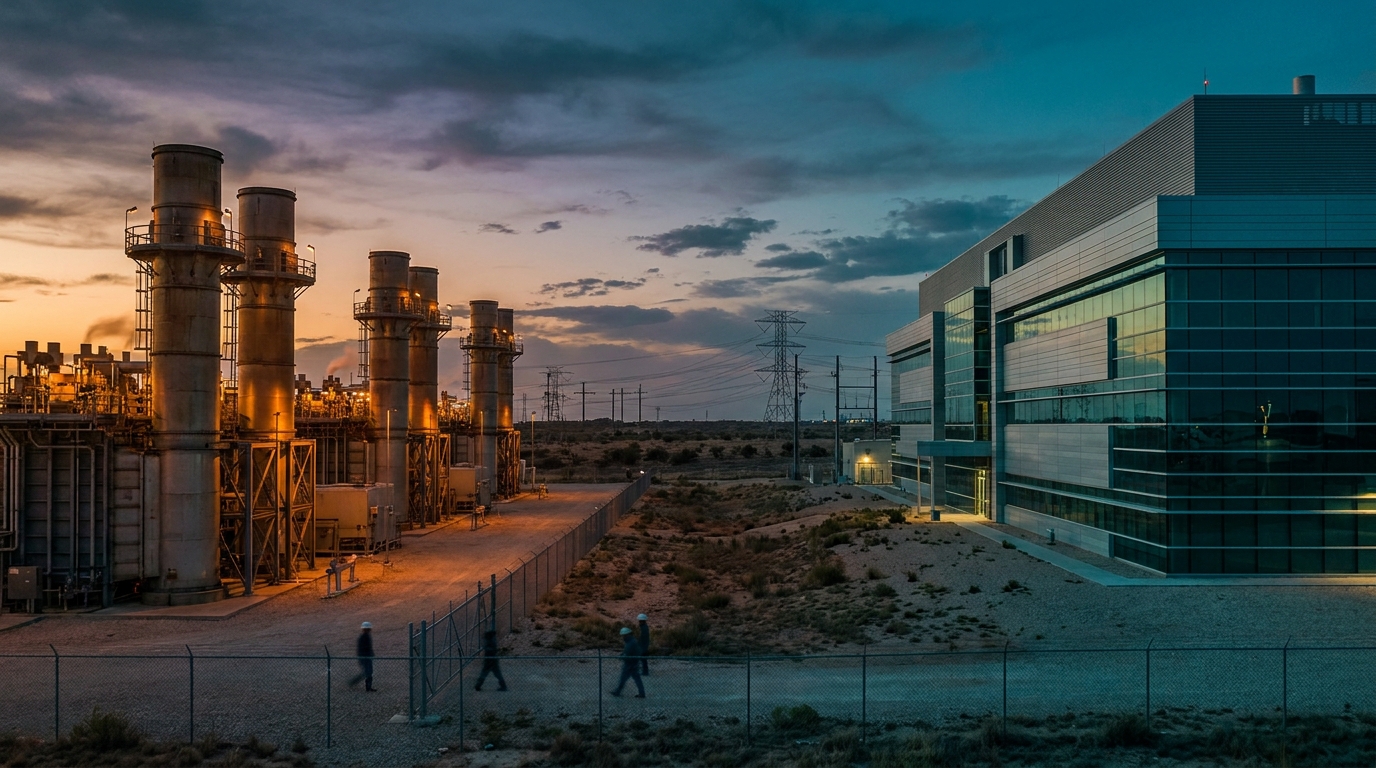
The U.S. data center industry is abandoning the rhetoric of the fully grid-disconnected center, the so-called off-grid model, and consolidating around a hybrid model with natural gas turbines, reciprocating engines, and fuel cells installed behind the meter, according to a SemiAnalysis analysis published in July.
The report projects more than 40 gigawatts (GW) of behind-the-meter capacity in U.S. data centers by 2028. Available transmission capacity is approaching zero and will turn negative in 2027, while demand from new data centers will grow from 21 GW in 2026 to 84 GW in 2030. A counterpoint published by Latitude Media on July 17 describes the off-grid model as a fantasy: Tim Hade, co-founder of Voltus, notes that not a single large-scale data center, above 500 megawatts (MW), operates completely off-grid anywhere on the planet. For Mexico and the region, the implication is direct: demand for gas turbines from these data centers competes for the same supply chain as U.S. Gulf liquefied natural gas (LNG) exports to Latin America and Asia.
ERCOT, the Texas grid operator, is the market where the hybrid model is being most actively tested: co-location projects total 2,885 MW, with Crusoe's 1 GW campus and Amazon Web Services' 1,200 MW project adjacent to the Comanche Peak nuclear plant. Gas turbine lead times have extended from 18 months to between three and four years; transformers and medium-voltage switchgear carry wait times of 200 weeks, according to Latitude Media. Building a new pipeline takes five to seven years, and combined-cycle plants already require four to six years from planning to commercial operation. Jigar Shah warns that using turbines as backup, 200 or 300 hours per year, is viable, but operating off-grid for years is not.
The question for Latin American energy markets is not whether the behind-the-meter model will arrive, but when and with what fuel. Competition for turbines and natural gas supply between U.S. data centers and LNG buyers in the region will be a decisive variable over the next 24 months.
This article was written with artificial intelligence assistance based on verified sources and reviewed by a human editor before publication.
Sources
Related stories
This article was drafted with AI assistance from verified sources and reviewed by a human editor before publication.