U.S. Bans Tungsten and Battery Waste Exports for One Year
The U.S. Commerce Department is banning exports of tungsten scrap and lithium-ion battery black mass starting August 27 for one year; the measure aims to secure critical minerals.
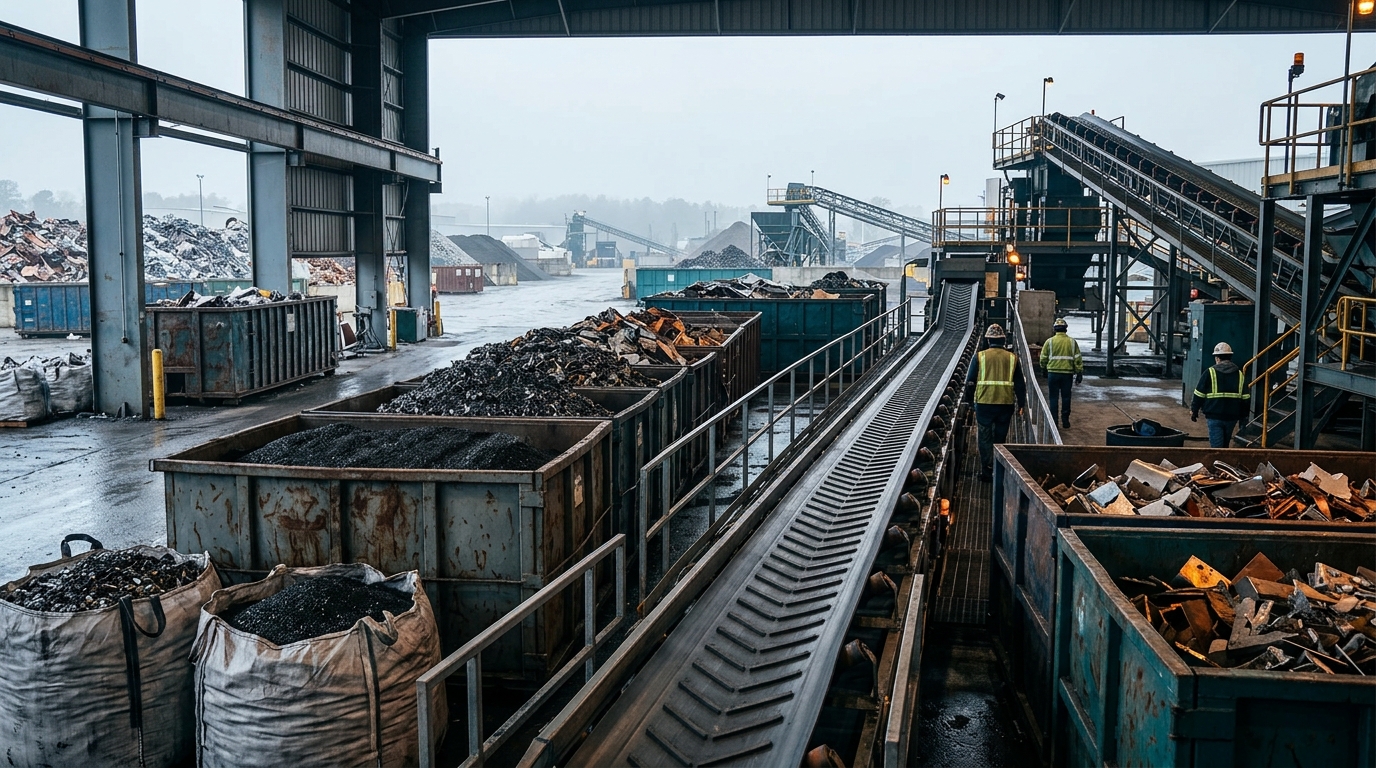
The U.S. Commerce Department will ban, starting August 27 and for one year, the export of tungsten scrap and 'black mass,' the shredded residue of lithium-ion batteries. Sellers will be required to direct 100% of those sales to the domestic market, under a rule from the Bureau of Industry and Security (BIS) published in the Federal Register.
The measure arrives less than a week after President Donald Trump signed an order granting federal authorities the power to restrict the overseas shipment of scrap containing critical minerals, according to Bloomberg. The rule, issued under the Defense Production Act of 1950, follows a presidential determination dated July 30 that declared recoverable critical materials scarce and essential for defense, energy infrastructure, and manufacturing. China dominates global processing of critical minerals used in electric vehicle batteries and weapons systems, Forbes México reports. For the region, the restriction is a direct signal to the energy transition supply chain: recyclers and refiners across Latin America, including those in Mexico, will need to reconfigure their buying and selling flows for these materials.
The rule covers 'black mass,' defined as shredded scrap from lithium-ion batteries containing cathode and anode material, and tungsten scrap, a metal used to harden steel and in defense applications. The United States exports nearly 33,000 metric tons of electronic waste and other refuse monthly, much of it containing recoverable critical minerals, according to data from Basel Action Network cited by Forbes México. Exemptions will be granted on a case-by-case basis for 'undue hardship' or 'irreparable harm.' The U.S. recycling industry has been under strain: Li-Cycle and Ascend Elements filed for bankruptcy within the last 18 months. 'This ban is just a band-aid,' said Ryan McAdams, chief executive of Amermin, a tungsten recycler that received an $11.5 million grant last year.
The rule will remain in effect until August 27, 2027, barring an extension, and BIS will accept public comments through November 4. The key variable to watch is whether U.S. domestic recycling capacity can absorb the material currently exported, and how scrap flows toward Mexico and the rest of the region realign.
This article was drafted with artificial intelligence assistance from verified sources and reviewed by a human editor before publication.
Sources
Related stories
This article was drafted with AI assistance from verified sources and reviewed by a human editor before publication.
← All news