U.S. Builds Twice the Gas Capacity of China for AI
Global Energy Monitor: capacity under development rises from 252 to 378 GW; half is tied to data centers.
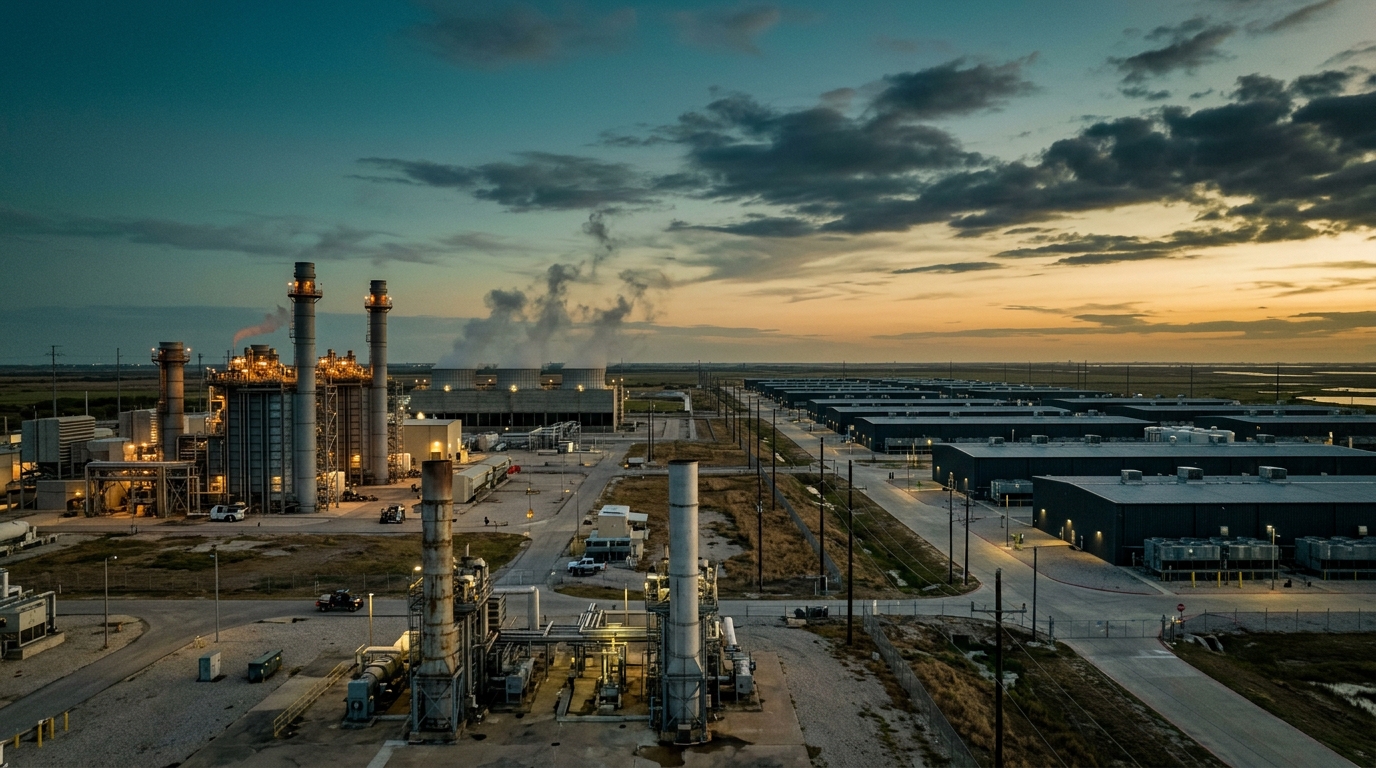
The United States is building twice the gas generation capacity of China, according to an analysis published on August 25, 2026 by Global Energy Monitor (GEM). Projects under construction grew 76% in the first half of the year, a surge tied to the electricity demand of artificial intelligence (AI) data centers.
This marks a reversal of a decades-long trend in which China added more gas capacity than the United States, according to The Guardian, which reported on the study. Capacity under development in the United States rose from 252 to 378 gigawatts (GW) since January, representing one third of the global total, with an estimated capital cost of more than $647 billion if all projects are built. Texas, the epicenter of this expansion, accounts for 80.6 GW, close to one third of the national plan and nearly four times more than a year ago; 40 GW of that capacity is earmarked to directly power data centers. The surge matters for the broader region: that growth, concentrated in the Gulf Coast basin, competes for the same gas turbine manufacturers on which CFE and other Latin American operators depend to expand their own capacity.
Roughly half of the new capacity is tied to data centers, and the expansion runs into a supply-side constraint: GE Vernova, Siemens, and Mitsubishi together account for more than 75% of the turbine market where a manufacturer has been named, and their order books extend to 2030, according to GEM. Two thirds of projects under development have no assigned manufacturer, which limits the scale of deployment. The Guardian reports that the backlog for the most efficient turbines has led companies such as xAI to opt for smaller, less efficient equipment. The surge also faces local resistance: New York, in July, became the first state to approve a temporary moratorium on permits for hyperscale data centers.
The turbine bottleneck, with order books extending to 2030, is also lengthening delivery times for CFE and other Latin American operators planning capacity expansions. The signal to watch is whether grid interconnection queues and pending orders slow the pace of new announcements in the second half of the year.
This article was drafted with artificial intelligence assistance from verified sources and reviewed by a human editor before publication.
Sources
Related stories
This article was drafted with AI assistance from verified sources and reviewed by a human editor before publication.
← All news