Energy Storage Cell Shipments Grow 95% to 468 GWh in H1 2026
Global energy storage cell shipments rose 95% in the first half of 2026, according to InfoLink, lowering battery costs for projects in Mexico and Chile.
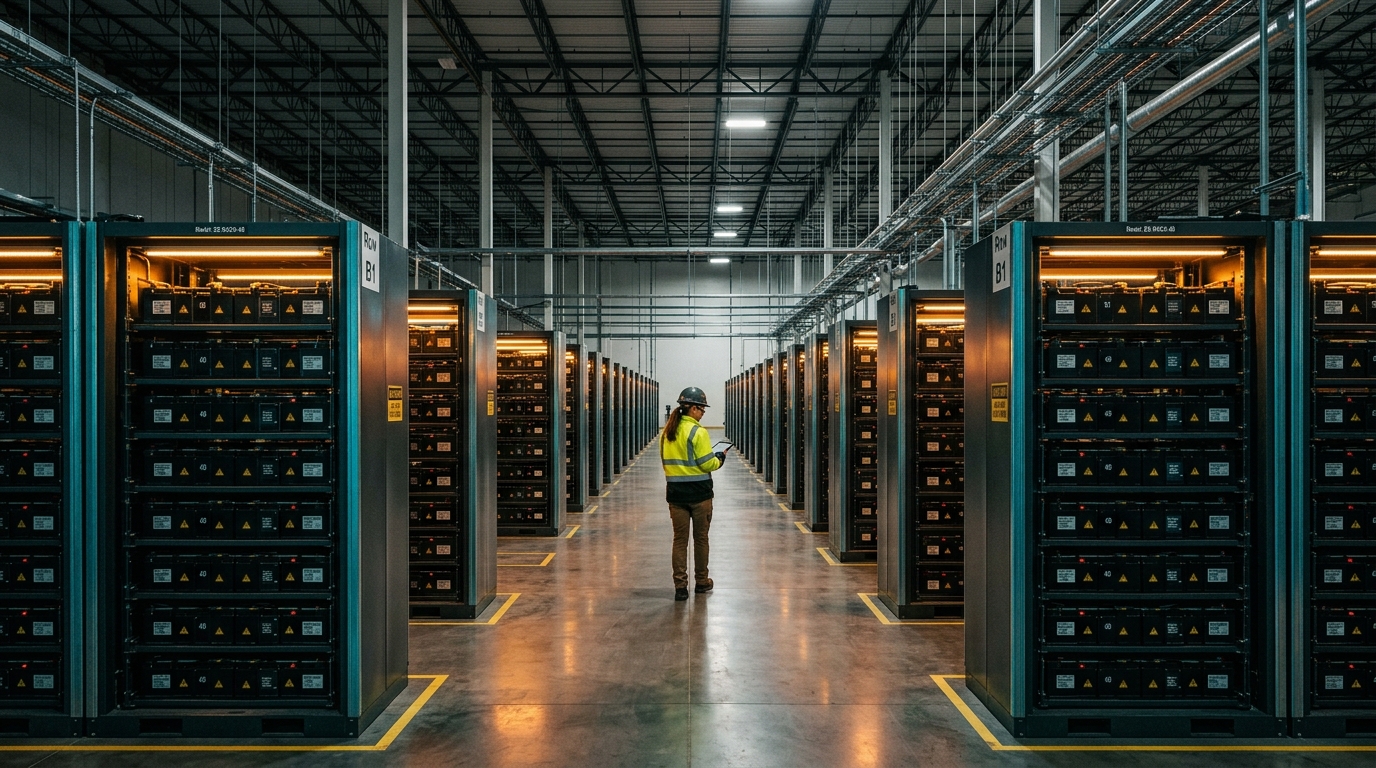
Global shipments of energy storage cells totaled 467.84 GWh in the first half of 2026, 94.8% more than a year earlier, according to InfoLink Consulting. The report, published on August 17 by pv magazine, indicates that shipments exceeded 200 GWh for the third consecutive quarter.
The figure connects cell supply to the storage thresholds required by deployment markets in the region. In Mexico, the Comisión Federal de Electricidad (CFE) includes in its procurement contracts a requirement of at least 30% storage capacity for renewable projects, a component that has traditionally increased development costs. The cell price declines documented by InfoLink are the technical reason, not just the regulatory one, why projects in Mexico and Chile can meet those thresholds at a lower marginal cost.
InfoLink identifies three structural shifts. First, supply concentration fell: the CR10, the combined share of the ten largest suppliers, dropped from 91.2% in the first half of 2025 to 82.3% in the first half of 2026, while CATL, Hithium, EVE Energy, BYD Energy Storage, and CALB retained leadership with a combined 56.5%. Second, shipments to markets outside China reached 248.73 GWh, 53.2% of the total, driven by the gradual elimination of China's export tax rebate, which fell from 9% to 6% in April and will be fully removed on January 1, 2027. Third, demand remains tight: the 314 Ah (ampere-hour) cell has accumulated price increases of more than 15% over six months, and cells of 500 Ah or more now account for more than 10% of the utility-scale segment. InfoLink raised its 2026 shipment forecast to 1,026 GWh, 67.5% more than in 2025.
InfoLink expects the tight supply-demand balance to persist in the second half, with new capacity slow to offset anticipated demand. The key metric to watch in the region is whether falling cell prices translate into storage projects in Mexico and Chile that meet required thresholds without driving up costs.
This article was written with artificial intelligence assistance from verified sources and reviewed by a human editor before publication.
Sources
Related stories
This article was drafted with AI assistance from verified sources and reviewed by a human editor before publication.
← All news