Pentagon Halts 155 Wind Projects Across the U.S.; Additional Costs Exceed $2 Billion
The Pentagon has frozen at least 155 onshore wind energy projects across 24 U.S. states, representing 44 GW of combined capacity. Investment at risk exceeds $47 billion and more than 120,000 jobs are threatened.
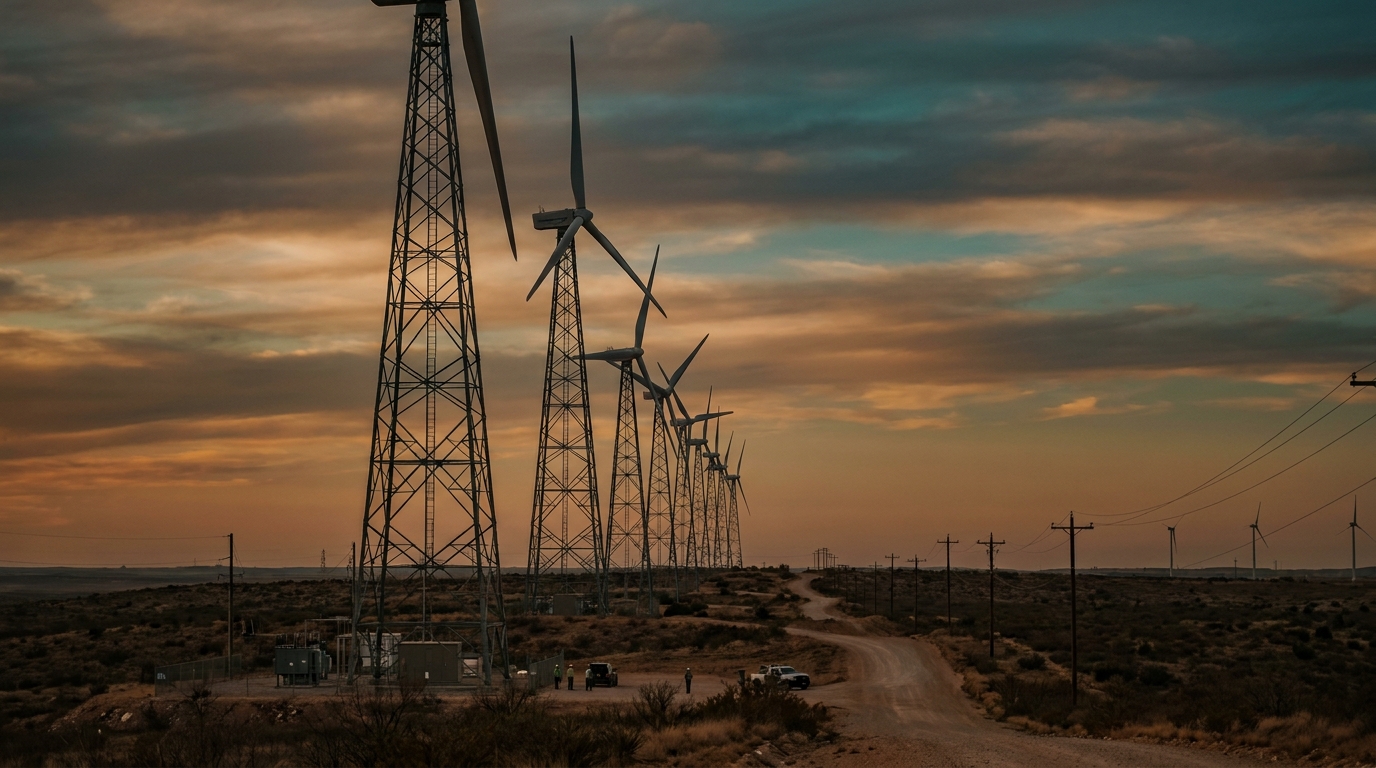
The U.S. Department of Defense has frozen at least 155 onshore wind energy projects across 24 states, with a combined capacity of 44 gigawatts (GW), according to a report by Canary Media published on July 15, 2026. The authorization freeze, now approaching nearly one year, has generated more than $2 billion in cost overruns for developers.
The Pentagon has operated the Siting Clearinghouse program for over a decade, reviewing wind projects to assess potential interference with military radar systems, a process established during the Obama administration. Developers submit their proposals, address military objections, and in some cases fund upgrades to radar systems. The Department of Defense's new argument: small drones, capable of navigating between turbines, pose a threat that existing radar upgrades fail to address. The Pentagon characterizes the measure as an administrative delay, not a rule change, and maintains it does not require a formal public comment period.
In May 2026, a coalition of renewable energy organizations and wind energy companies sued the Pentagon in federal court in Oregon, as reported by Associated Press on June 12. The plaintiffs, including Renewable Northwest and Advanced Power Alliance, describe the freeze in the lawsuit as part of an unprecedented campaign against the U.S. wind industry.
According to the American Clean Power Association, cited by Canary Media, the 155 stalled projects total 44 GW, four times the capacity of the offshore wind farms the federal government canceled in 2025. An economic analysis by consulting firm Charles River Associates, incorporated into the lawsuit, estimates $47 billion in investment at risk and more than 120,000 threatened jobs: 29,000 direct construction jobs, 80,000 indirect, and 10,000 in operations. The first quarter of 2026 was the slowest start for new onshore wind capacity since 2018, according to AP. Some projects missed the July 4, 2026 construction deadline required to access federal tax credits under the One Big Beautiful Bill Act of 2025, which phased out several clean energy incentives.
The regulatory paralysis in the largest wind energy market in the Americas carries regional implications: the risk signals emanating from the Pentagon are cooling appetite among infrastructure funds that finance wind projects in Mexico, Brazil, and Chile, markets that share developers, suppliers, and capital structures with the U.S. sector.
The Pentagon has not responded to requests for comment or to the letter that 55 Democratic lawmakers sent in May requesting a confidential briefing. The litigation tests the balance between national security review powers and energy infrastructure development in the United States.
This article was produced with artificial intelligence assistance from verified sources and reviewed by a human editor prior to publication.
Sources
Related stories
This article was drafted with AI assistance from verified sources and reviewed by a human editor before publication.