Pemex and Petrobras Sign Technical Agreement to Develop Gulf of Mexico Deepwater
The memorandum signed on June 23 in Rio de Janeiro opens the door to deepwater exploration projects with the potential to add 50,000 to 100,000 barrels per day for Pemex.
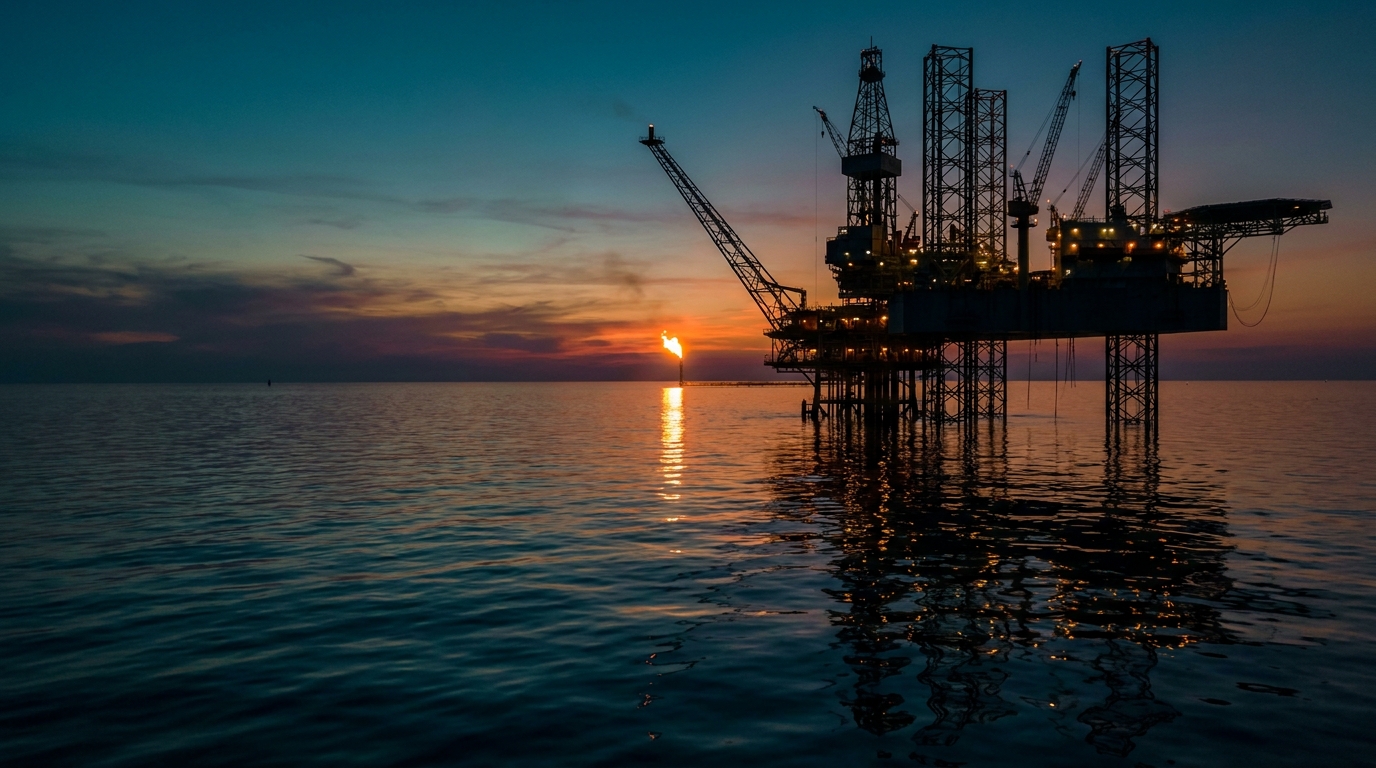
Pemex and Petrobras signed a memorandum of understanding (MOU) on June 23, 2026, in Rio de Janeiro to explore technical and operational cooperation in deepwater hydrocarbon exploration and production in the Gulf of Mexico, along with collaboration in refining, biofuels, and petrochemicals, according to El Universal and Dinero en Imagen.
The signing comes at a moment when Pemex production stands at approximately 1.65 million barrels per day (mmb/d), below the government target of 1.8 mmb/d. Petrobras, by contrast, produces around 2.7 mmb/d and is the global benchmark for ultra-deepwater exploration, thanks to the development of Brazil's pre-salt, a petroleum province at depths exceeding 2,000 meters off the coasts of São Paulo and Rio de Janeiro. The MOU is the most concrete step Pemex has taken to access subsea exploration technology it has not developed internally.
According to Dinero en Imagen, the agreement was signed by Juan Carlos Carpio, CEO of Pemex, and Magda Chambriard, president of Petrobras, during a visit by the Mexican delegation that included representatives from the Secretariat of Energy (SENER), which began on June 22. The cooperation covers four areas: deepwater field exploration (beyond 2,000 meters), mature field revitalization, biofuels, and petrochemical industrials. According to El Universal, if the technology exchange advances toward joint projects, the collaboration aims to generate between 50,000 and 100,000 additional barrels per day for Pemex. Petrobras holds an investment plan exceeding $100 billion through 2030, of which $69 billion is allocated to exploration. Pemex's consolidated debt at the close of Q1 2026 stood at approximately $79 billion.
The next signal to watch is whether the MOU evolves into specific joint exploration contracts, a step requiring board approval from both companies and, in Pemex's case, review by the National Hydrocarbons Commission (CNH). The CNH's next quarterly production report, covering data through July 2026, will show whether the decline in productive output persists or begins to reverse.
This article was drafted with artificial intelligence assistance based on verified sources and reviewed by a human editor before publication.
Sources
Related stories
This article was drafted with AI assistance from verified sources and reviewed by a human editor before publication.
← All news