Pemex and Petrobras Sign MOU to Explore Cantarell's Deep Horizons
The agreement brings Petrobras's deepwater technology to the Campeche Sound megafield, which at its 2003 peak produced 3.4 million barrels per day.
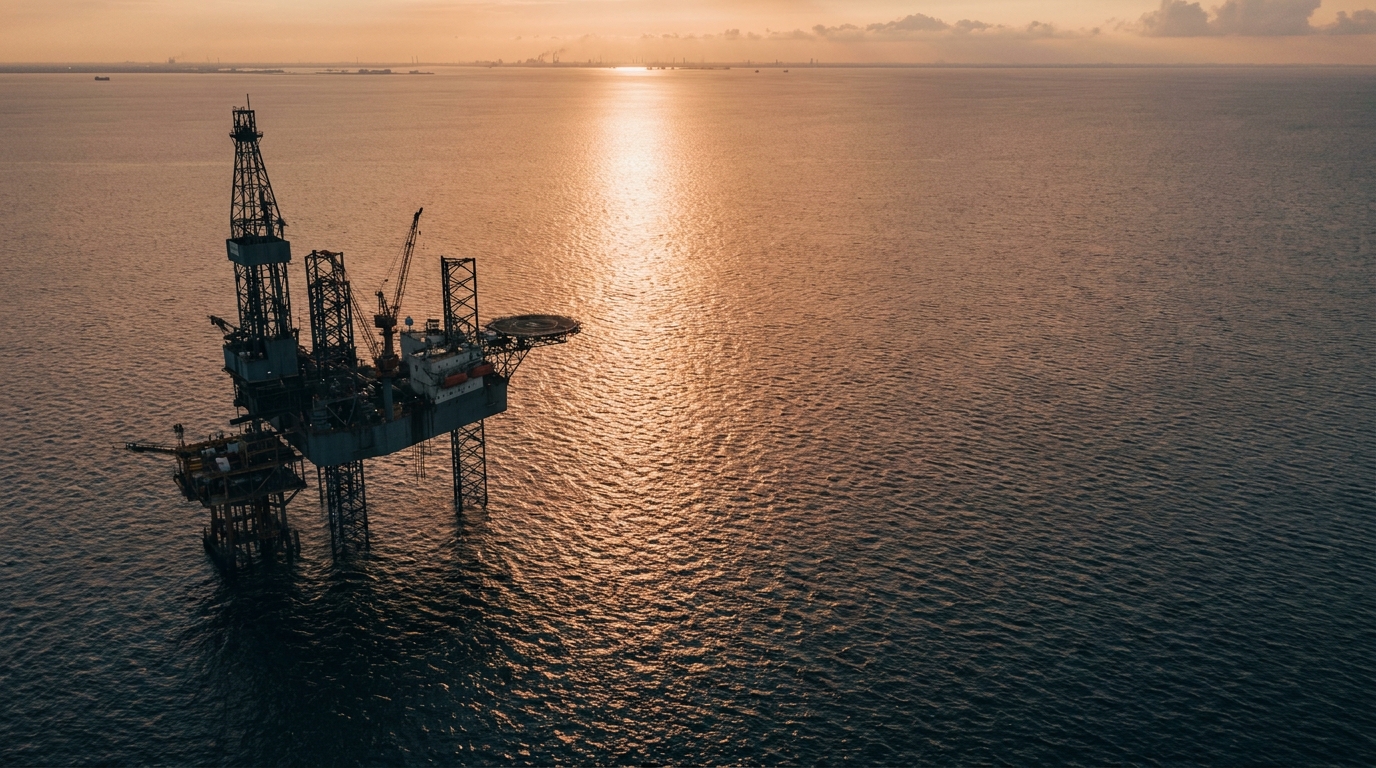
On July 6, 2026, President Claudia Sheinbaum announced that Petróleos Mexicanos (Pemex) and Brazil's Petrobras signed a memorandum of understanding to explore the deep and ultra-deep horizons of the Cantarell megafield in the Campeche Sound. The agreement brings Petrobras's deepwater technology to a field that at its 2003 peak produced 3.4 million barrels per day, according to Excélsior.
Cantarell was for two decades Mexico's largest crude producer and one of the most consequential fields in the hemisphere. Its decline forced Pemex to seek reserves in geological layers beyond the reach of conventional technology, with a national production target of 1.8 million barrels per day for domestic consumption, according to figures reported by Excélsior. Petrobras, with decades of experience in Brazil's pre-salt formations and ultra-deep Atlantic waters, brings the geophysical and drilling tools the Mexican state company does not have in-house. The collaboration is limited to the exploration phase and does not contemplate joint financial investment or a shared production partnership, El Financiero clarified.
Sheinbaum described Petrobras as "the company with the greatest global experience in this type of technology," according to El Financiero. The memorandum calls for technical teams from both oil companies to conduct geological and geophysical studies in the deepest zones of the field to identify hydrocarbon accumulations. The federal government has indicated that the exploration strategy extends to other fields in the Gulf of Mexico, where already-exploited wells are being reassessed with new technologies. The agreement is a technical knowledge exchange between the two largest state oil companies in Latin America, with no cross-financial investment involved.
The memorandum opens a direct technical cooperation channel between the two largest oil companies in Latin America, bypassing the U.S. and European intermediaries that have typically characterized deepwater projects in the region. The results of the initial geophysical studies will determine whether Cantarell holds commercially viable reserves in its deepest layers.
This article was written with artificial intelligence assistance based on verified sources and reviewed by a human editor before publication.
Sources
Related stories
This article was drafted with AI assistance from verified sources and reviewed by a human editor before publication.