OPEC+ Adds 188,000 Barrels per Day in August, Fifth Consecutive Monthly Increase
Seven OPEC+ countries will raise output by 188,000 barrels per day in August, though the de facto blockade of the Strait of Hormuz keeps physical production below quota levels.
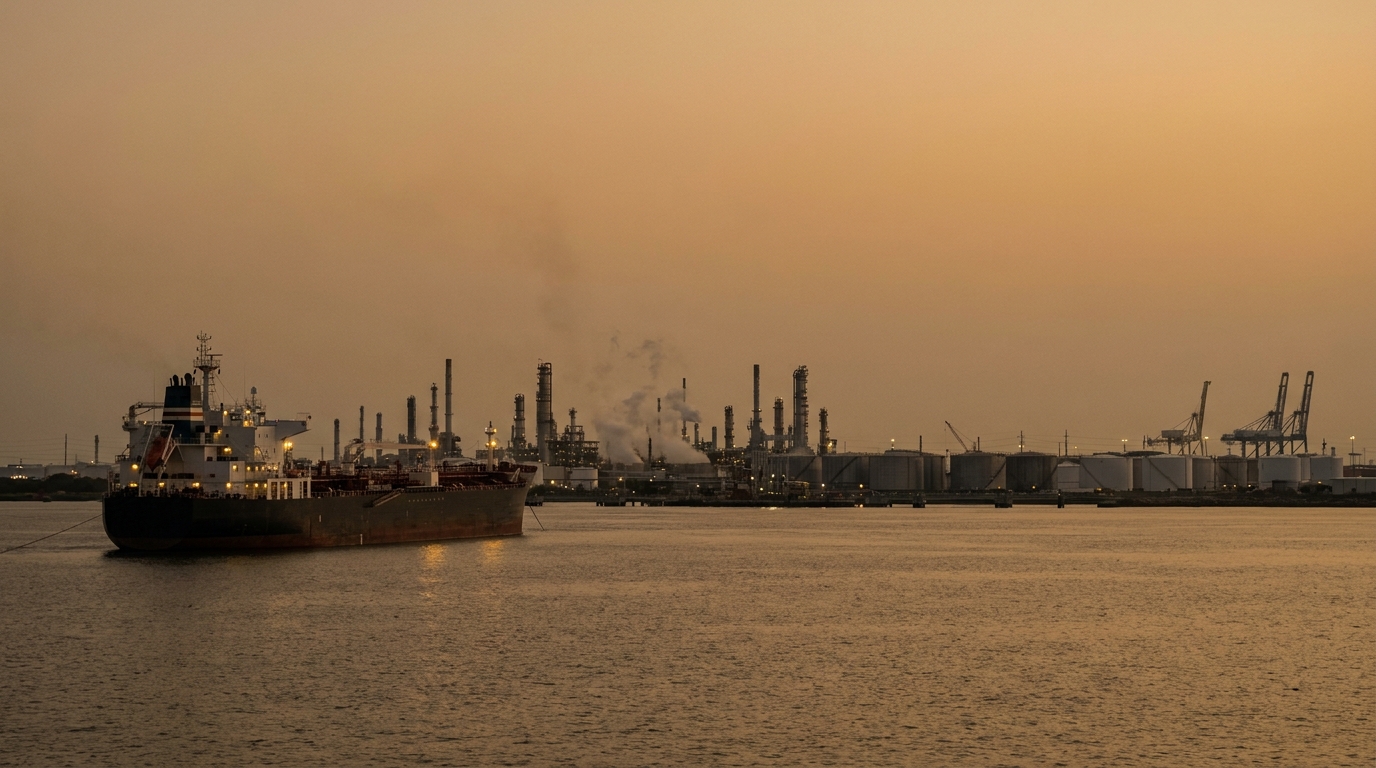
The Organization of the Petroleum Exporting Countries and its allies (OPEC+) agreed on July 6, 2026 to raise combined output by 188,000 barrels per day (b/d) for August, the fifth consecutive monthly increase within the gradual unwinding of the voluntary cuts adopted in 2023. The increase comes as transit through the Strait of Hormuz remains restricted to a fraction of its pre-conflict capacity.
Seven countries are participating in the increase: Saudi Arabia, Russia, Iraq, Kuwait, Kazakhstan, Algeria, and Oman. Saudi Arabia and Russia carry the largest share, each contributing an additional 62,000 b/d, according to the group's communiqué as reported by Al Jazeera. Total OPEC+ production fell to 33.13 million b/d in May, down from 42.77 million in February, dragged down by the de facto closure of the strait for most of the hostilities between the United States, Israel, and Iran. For net importers in Latin America, whose export blend closely tracks Brent, the price trajectory depends as much on these quota decisions as on the actual capacity to move crude to physical markets.
The increase is largely symbolic while Hormuz operates under restrictions. On July 2, just 38 transits were recorded through the strait, compared with roughly 130 per day before the conflict. Neil Crosby, an analyst at Sparta Commodities quoted by Euronews, described the quotas as "essentially irrelevant" in the short term because approved barrels do not necessarily reach the market. Brent crude was trading around $72 per barrel on Monday, July 6, below the closing price of $72.48 per barrel on February 27, the day before the attacks began.
The group reaffirmed "the importance of taking a cautious approach and retaining full flexibility to increase, pause, or reverse" the easing of cuts. S&P Global Energy estimates that Gulf production will not fully recover before the first quarter of 2027. The next OPEC+ meeting is scheduled for August 2: the actual capacity to place additional crude on the market will depend on transit through Hormuz returning to normal operating levels.
This article was drafted with the assistance of artificial intelligence from verified sources and reviewed by a human editor before publication.
Sources
Related stories
This article was drafted with AI assistance from verified sources and reviewed by a human editor before publication.
← All news