OLADE: Latin America and the Caribbean Generated 176 TWh in May, 64% Renewable
Hydropower dominated the regional energy mix with 43.4% of the total, while solar contributed just 4.7%.
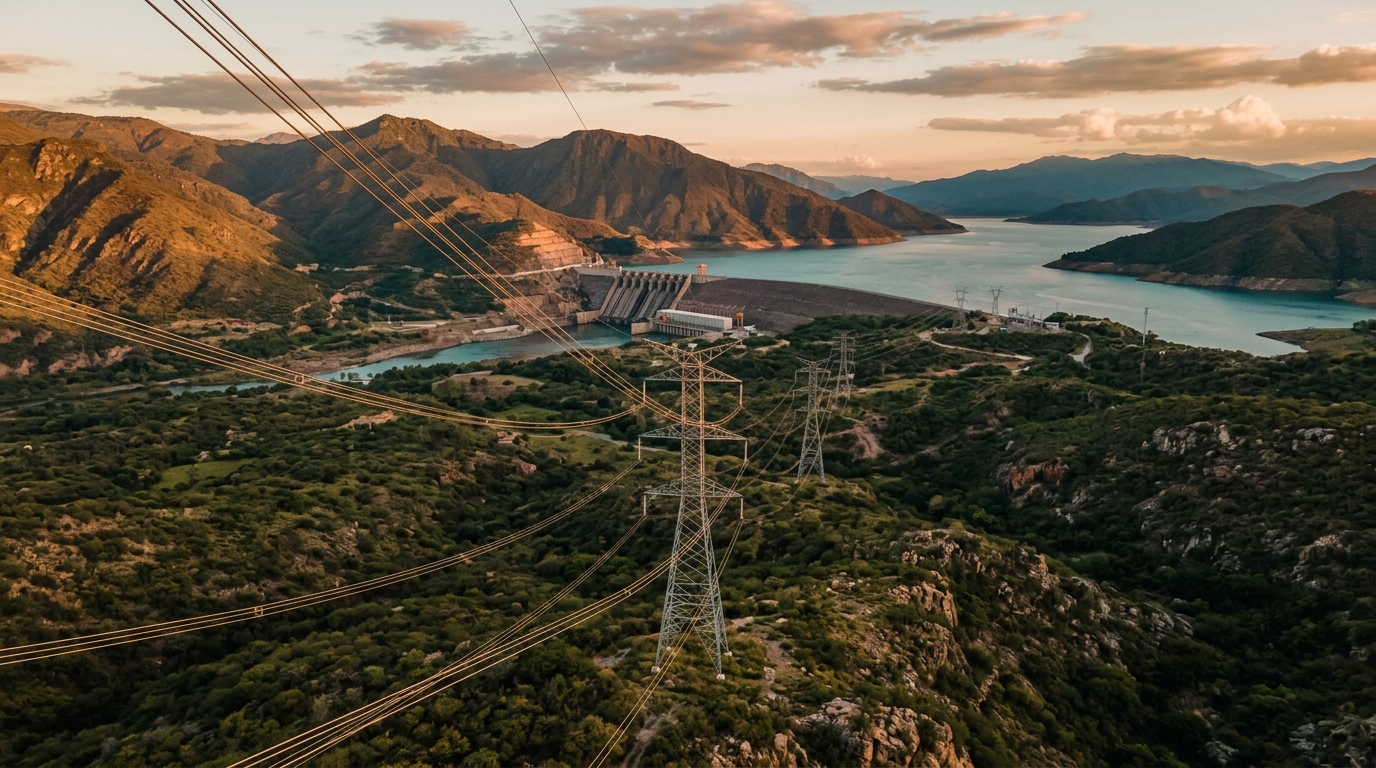
Latin America and the Caribbean generated 176 TWh of electricity in May 2026, 4.1% more than the same month in 2025 and 7.32% above April, according to Monthly Report No. 13 of the Latin American Energy Organization (OLADE). Hydropower accounted for 43.4% of the regional energy mix; solar contributed 4.7%.
The report, published on August 19, places the regional renewability index at 64%, down from 69% a year earlier, with 113 TWh from renewable sources and 63 TWh from non-renewables. After hydropower (43.4%), natural gas contributed 24.4%, wind 11.6%, oil and derivatives 5.8%, bioenergy 3.8%, coal 3.4%, nuclear 2.4%, and geothermal 0.5%, according to pv magazine México. On a month-over-month basis, natural gas rose 12%, nuclear 15%, coal 26%, and oil and derivatives 27%; bioenergy was the only source to decline, falling 7%. OLADE attributes the shift in dispatch to reduced water availability, offset by higher thermal generation and advances in wind power.
Of the 27 member countries tracked by OLADE, nine exceeded the regional renewability average of 64% in May: Paraguay (100%), Costa Rica (96%), Uruguay (94%), Brazil (89%), Colombia (82%), Venezuela (82%), Belize (75%), Ecuador (72%), and Peru (66%). Solar maintained a limited share despite growing: it added 0.4 TWh year-over-year and advanced 1% compared to April, the smallest positive variation among sources that increased output. The year-over-year reshuffling left hydropower 10 TWh below and wind 4.4 TWh above prior levels, a net result that reduced the relative weight of renewables. The regional index oscillated between 63% and 72% since May 2025, reaching its peak in October 2025. The report consolidates data from sieLAC, OLADE's energy information system, for all 27 member countries.
The next monthly report, covering June data, will be available in September and will show whether wind and solar continue to gain share against seasonal hydrology. The trajectory of the regional renewability index will depend on how well wind compensates for hydrological cycles.
This article was written with artificial intelligence assistance from verified sources and reviewed by a human editor before publication.
Sources
Related stories
This article was drafted with AI assistance from verified sources and reviewed by a human editor before publication.
← All news