OLADE: 67.7% of LAC Electricity Was Renewable in February, at 158 TWh
The region maintains an electricity mix that more than doubles the global clean average of 33.8%, though hydropower remains the dominant resource and the most exposed to climate variability.
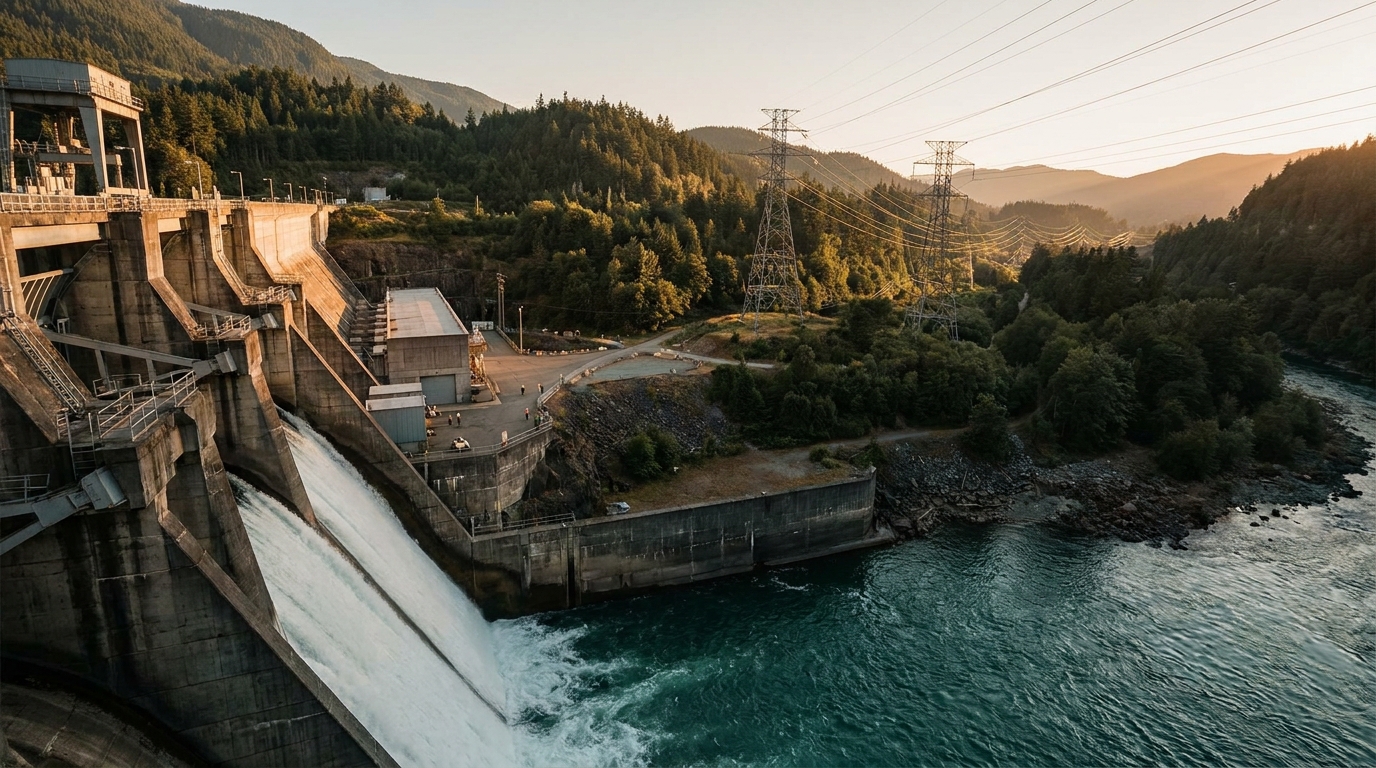
The Latin American Energy Organization (OLADE) reported that 67.7% of electricity generated in Latin America and the Caribbean in February 2026 came from renewable sources, with total production of 158 terawatt-hours (TWh). The figure keeps the region well above the global clean generation average, which stood at 33.8% in the first quarter of the year.
The data appears in the organization's Monthly Electricity Generation Report No. 13, published in May and reported on July 4 by Bloomberg Línea. Regional generation grew 3.9% year-on-year, equivalent to six additional TWh, though the internal composition shifted: hydroelectric output fell nine TWh compared to February 2025. The drop was offset by higher wind generation (six additional TWh), bioenergy (five TWh), and solar (two TWh), according to OLADE. The regional renewability index operates within a band of 63% to 72%, with hydropower as the variable that defines the monthly peaks and troughs. Mexico was not among the 12 countries that exceeded the regional average.
Hydropower accounted for 45.4% of total generation in February, followed by natural gas at 22.7% and wind at 12.2%. Together, the three sources concentrate more than 80% of the region's monthly electricity. The fossil thermal block represented 29.7% of the total and nuclear energy contributed 2.6%.
Twelve of OLADE's 27 member countries exceeded the regional renewability index. Paraguay and Costa Rica led with 100% clean electricity mixes for the month, followed by Venezuela (96%), Ecuador (92%), Colombia (91%), Uruguay (90%), and Brazil (88%). The region's high renewable share coexists with a heavy dependence on hydrological resources, which are vulnerable to climate variability, a risk the report itself identifies as the primary structural weakness of the regional electricity mix.
OLADE publishes this report with a lag of approximately three months. Data for March and April, which capture the start of the dry season in several countries, will be the next signal for assessing whether the renewability band holds or contracts in the dry months of the first half of the year.
This article was written with artificial intelligence assistance based on verified sources and reviewed by a human editor before publication.
Sources
Related stories
This article was drafted with AI assistance from verified sources and reviewed by a human editor before publication.
← All news