Mitsubishi Heavy Raises Its Gas Turbine Backlog to 35 GW
Mitsubishi Heavy raised its gas turbine backlog to 35 GW, up 52% in a year; CFE and regional projects face the same delivery timelines.
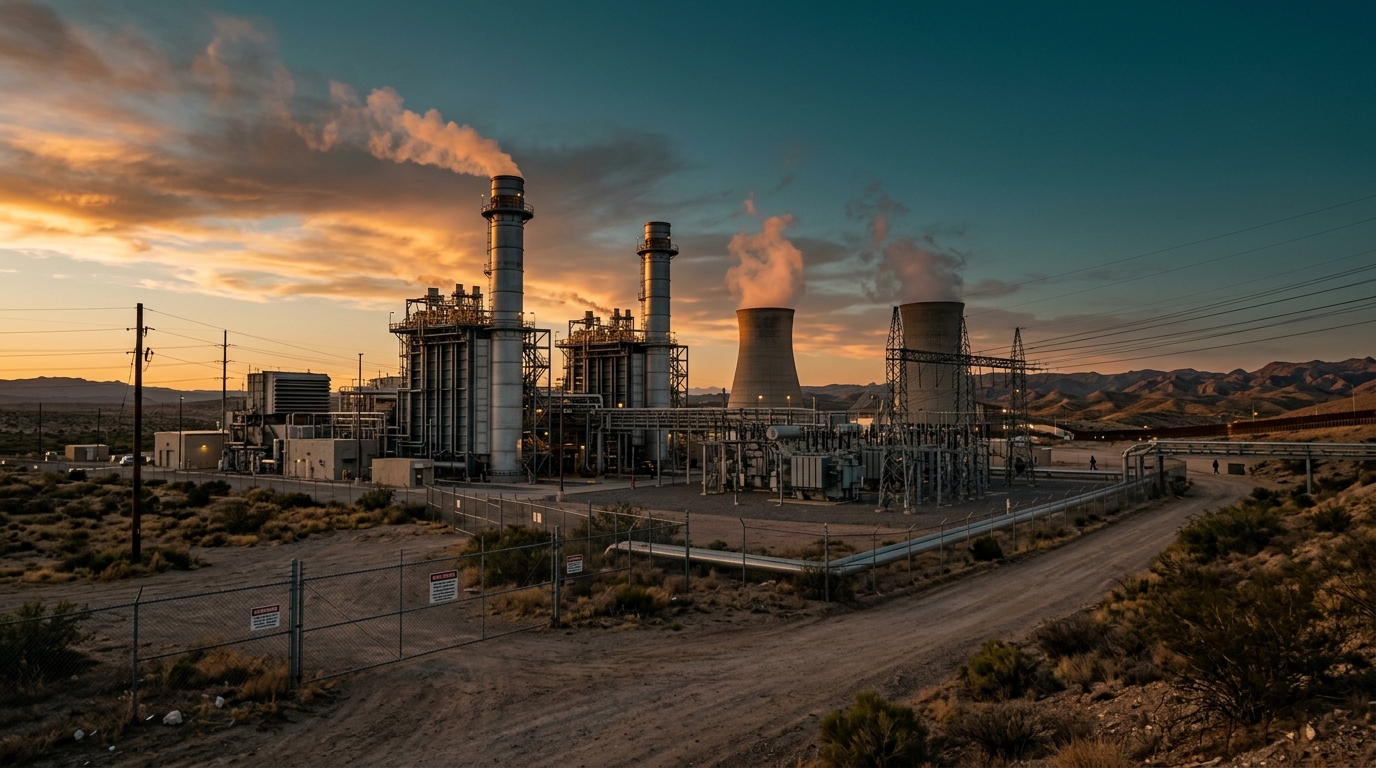
Mitsubishi Heavy Industries (MHI) reported on August 4 a large-format gas turbine order backlog of 35 GW, up from 23 GW a year earlier, in its fiscal year 2026 first-quarter results as covered by Utility Dive. The Japanese manufacturer booked 10 new turbines during the period, four for the United States and six for Japan, with deliveries scheduled between 2028 and 2030.
The large-format turbine market is concentrated among three manufacturers: GE Vernova, Siemens Energy, and MHI. Electricity demand from data centers in the United States is pressuring production slots; Bloomberg reported in May that MHI expects global gas turbine demand to remain strong. The retirement of aging thermal plants adds further pressure. For Mexico, the saturated backlog matters because Comisión Federal de Electricidad (CFE) sources its new combined-cycle plants from these same suppliers and faces the same delivery timelines, which are independent of its internal permitting processes. The effect extends across Latin America: combined-cycle projects throughout the region depend on the same manufacturers and the same delivery windows.
MHI's energy division raised its order intake 56% year-on-year, with 1.1 trillion yen (approximately 6.8 billion dollars) in gas and nuclear orders between April and June; nuclear orders grew 53%. The cumulative large-format turbine backlog reached 35 GW, up from 23 GW a year earlier, and orders booked in the quarter carry delivery dates between 2028 and 2030. MHI plans to double its turbine production capacity relative to 2024 levels to meet demand. The company noted that large-format turbine demand is tracking at or slightly above the strong level it had anticipated.
The key variable to watch is the capacity doubling MHI announced: its pace will define the 2028-to-2030 delivery schedule facing new combined-cycle plants in Mexico and the region.
This article was drafted with artificial intelligence assistance from verified sources and reviewed by a human editor before publication.
Sources
Related stories
This article was drafted with AI assistance from verified sources and reviewed by a human editor before publication.
← All news