Mexico Preserves Zero Tariff on USMCA Exports; U.S. Renews Global 10% Rate
The U.S. renews a 10% tariff on 60 economies; Mexico retains a zero rate on 85% of its USMCA exports. The trade shield the treaty confirms.
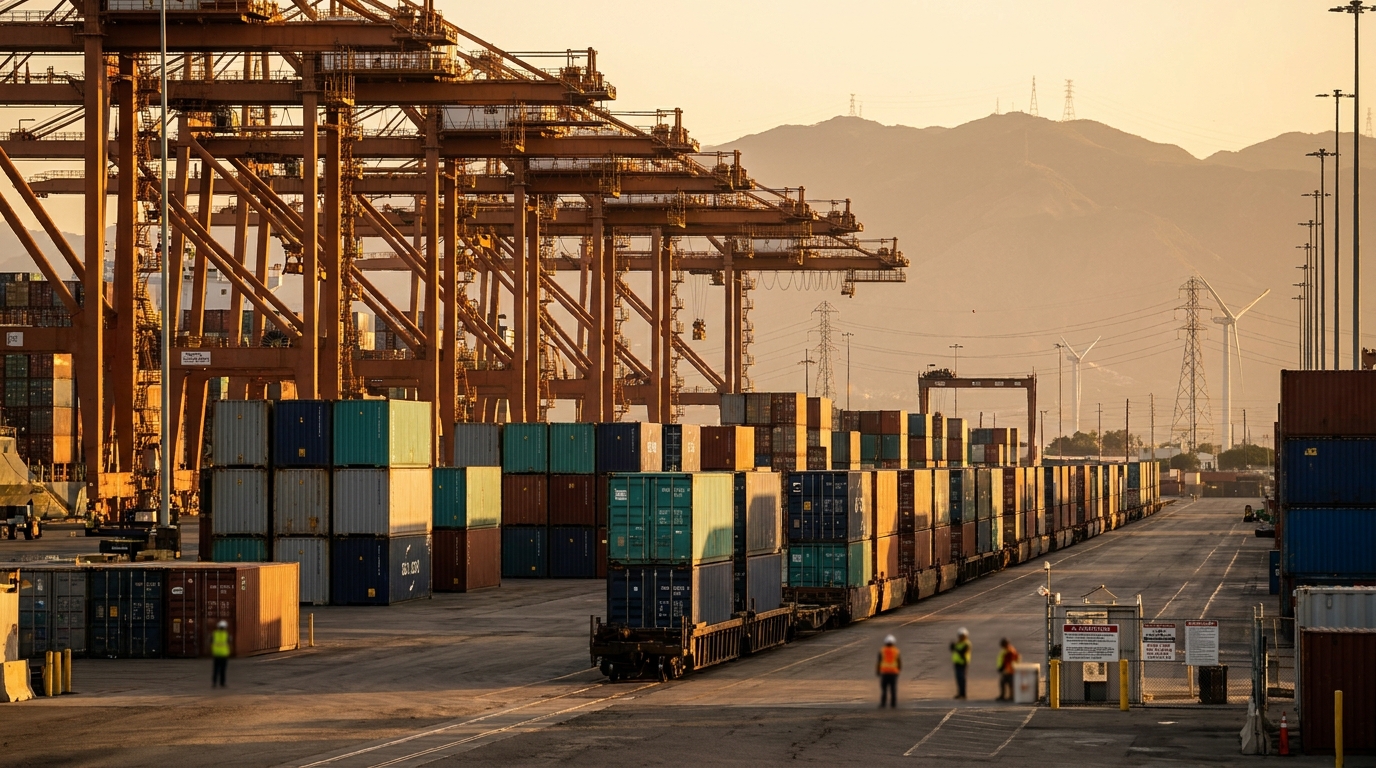
On July 24, the United States replaced the tariffs expiring under Section 122 with a new levy of 10 to 12.5 percent under Section 301, applicable to some 60 economies, El Universal reported. Mexican goods that comply with USMCA rules of origin retain a zero-percent rate, the Ministry of Economy (SE) confirmed.
The shift in legal basis, from Section 122 to Section 301 of the Trade Act of 1974, responds to an investigation opened in March 2026 into alleged deficiencies in the fight against forced labor in the supply chains of the named countries. Economy Secretary Marcelo Ebrard clarified that the measure does not represent an effective increase for Mexico: the 10 percent assigned to the country is the same rate already applied under Section 122. 'The tariff treatment remains unchanged,' the ministry stated in a communiqué picked up by Forbes Mexico. For the region, the USMCA exemption consolidates the treaty as the primary trade shield against the broadest U.S. tariff round of 2026.
The tariff framework establishes three tiers. The first, at 10 percent, applies to countries with some prohibition or commitment to prohibit imports of goods produced with forced labor: Mexico, Canada, Argentina, India, and the United Kingdom among them. The second, at 10 to 12.5 percent, covers the European Union, Japan, South Korea, and Taiwan. The third, at 12.5 percent, levies economies with no such prohibition, including Brazil, Chile, Colombia, Peru, and Venezuela. The SE estimates that 85 percent of Mexican exports to the United States operate under USMCA rules of origin and are therefore exempt from the new levy. Also exempt are goods subject to Section 232 (steel, aluminum, and automobiles), informational materials, donations, and critical raw materials.
The third round of USMCA negotiations concluded on July 23 in Mexico City with progress on steel, aluminum, and value chains. The delegations led by Ebrard and U.S. Trade Representative Jamieson Greer agreed on a fourth round for September 2026.
This article was drafted with artificial intelligence assistance from verified sources and reviewed by a human editor before publication.
Sources
Related stories
This article was drafted with AI assistance from verified sources and reviewed by a human editor before publication.