WEF: Mexico Falls to 59th in Energy Transition Index, Down 22 Places Since 2018
The country dropped four positions from 2025 and now sits below the global average, with gaps in green financing and regulatory stability.
Mexico ranks 59th out of 120 economies in the World Economic Forum's (WEF) 2026 Energy Transition Index (ETI), a cumulative drop of 22 positions since 2018, when the country placed 37th. Mexico fell four spots from the 2025 edition alone, according to the WEF report published this month.
The ETI evaluates countries across two dimensions: current energy system performance, which measures security, sustainability, and affordability, and transition readiness, which covers regulatory, financial, infrastructure, and innovation conditions. Mexico scores below the global average of 56.9 points, according to the report.
Mexico's weakest dimension is transition readiness. The WEF report identifies three areas of underperformance: access to green financing, regulatory stability, and energy intensity, which grew 1 percent over the evaluation period, meaning the country consumes more energy per unit of GDP than in the previous measurement. By contrast, economies such as Brazil and Chile advanced over the past decade by strengthening their regulatory frameworks and attracting private investment into renewable projects.
The index is published in the same week that the federal government unveiled the Renewable Energy Growth Plan, which targets adding 32,000 megawatts (MW) to the national electricity system by 2030, of which 22,000 MW would come from renewable sources, with an estimated investment of 739 billion pesos, according to El Economista. The plan projects a 140 percent increase in solar photovoltaic capacity and a 70 percent increase in wind power generation. The official target is to reach 38 percent clean electricity generation by the end of the decade.
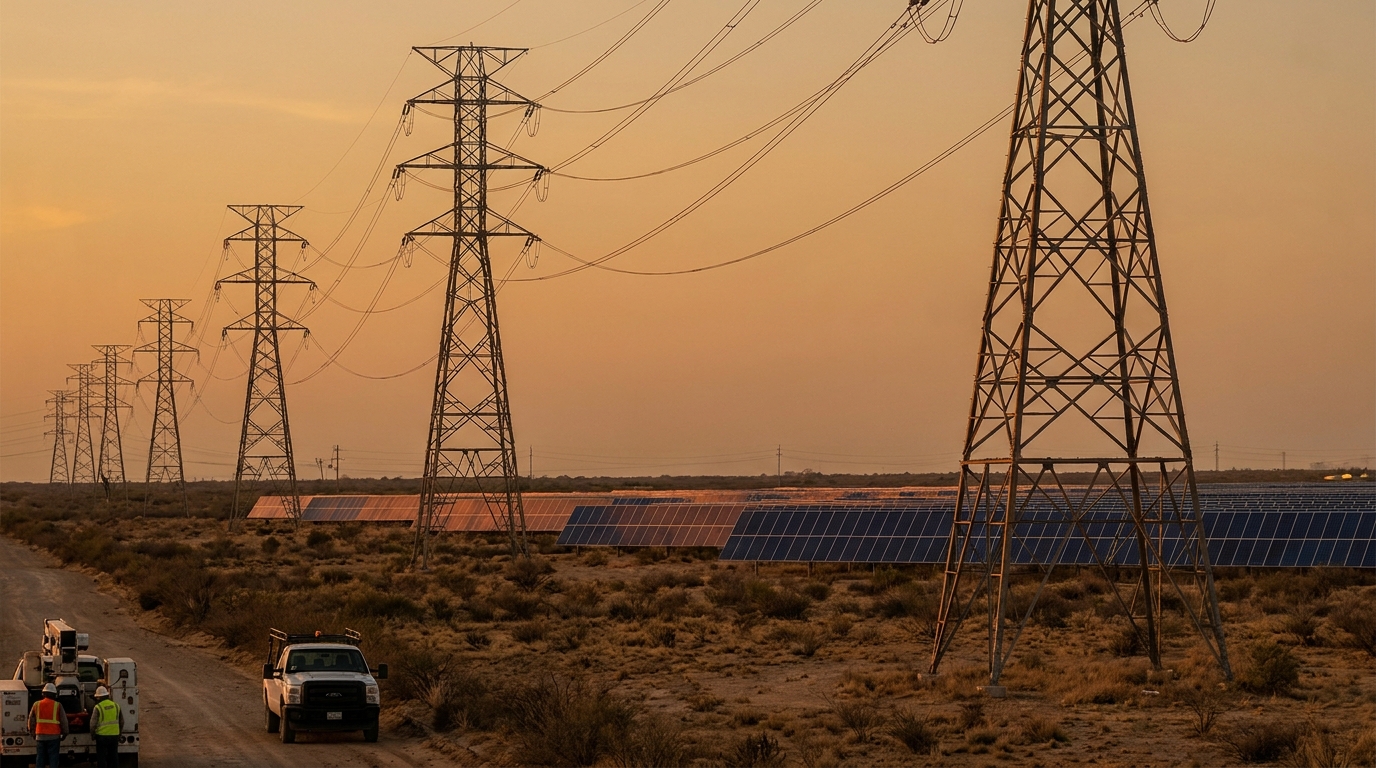
The 32 GW plan faces a significant execution challenge in an environment that the WEF itself documents as one of limited institutional readiness. BloombergNEF estimates a $63 billion investment opportunity in new generation assets by 2035, but warns that transmission grids require at least triple the current level of investment to absorb the projected capacity.
This article was drafted with artificial intelligence assistance from verified sources and reviewed by a human editor before publication.
Sources
Related stories
This article was drafted with AI assistance from verified sources and reviewed by a human editor before publication.
← All news