Mexico Narrows USMCA Pending Issues from 54 to 14, Sets Six Priorities
Mexico's Ministry of Economy reduced outstanding issues with the United States in the USMCA review from 54 to 14, and defined six priorities and thirteen demands for the bilateral round on July 20.
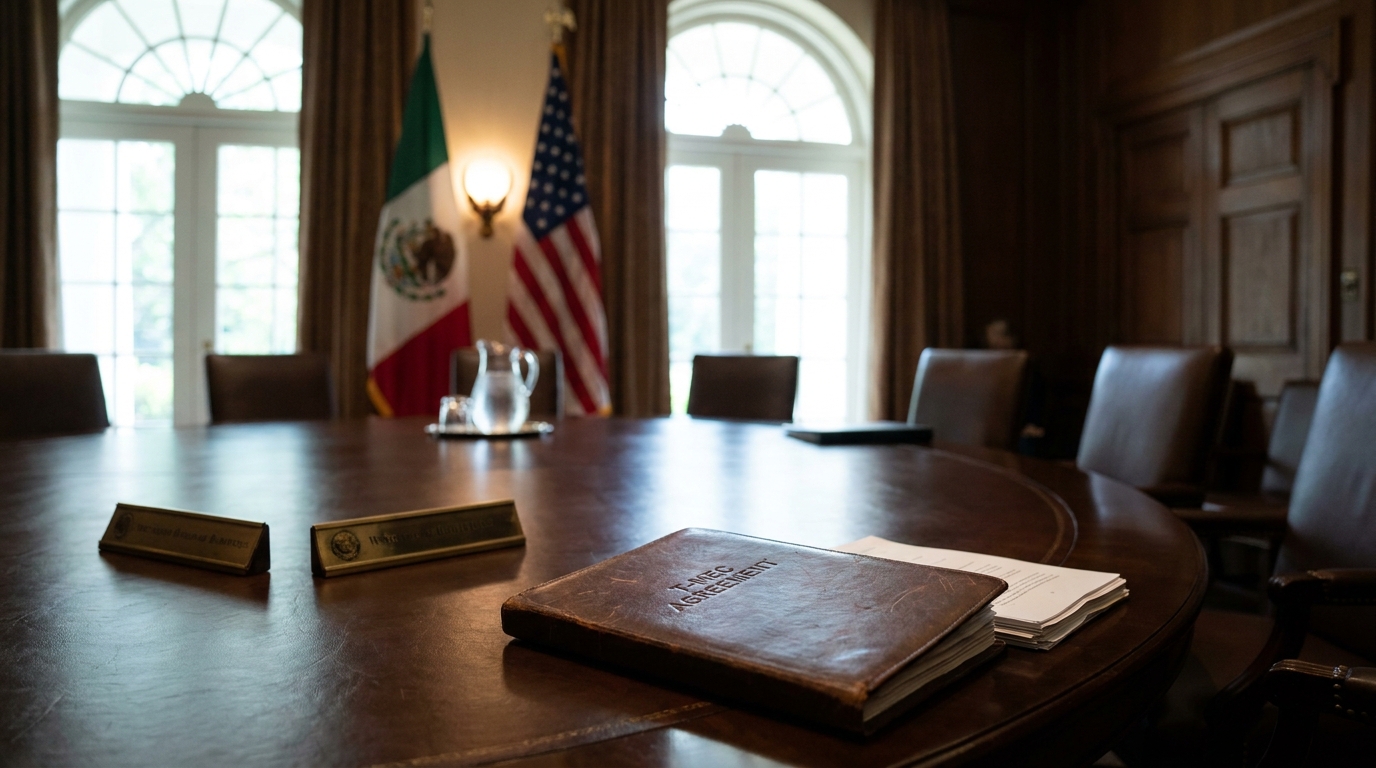
Mexico's Ministry of Economy informed Congress on July 8 that outstanding issues between Mexico and the United States in the review of the United States-Mexico-Canada Agreement (USMCA) fell from 54 to 14, marking the first quantified progress since Washington rejected the deal's automatic extension on July 1. The federal government defined six priorities and thirteen demands it will present at the next bilateral round, scheduled for July 20.
The USMCA's first six-year review was triggered under Article 34.7 of the treaty. Mexico and Canada backed extending its validity by another 16 years; the United States chose not to renew under current terms and kept the agreement in force at least until 2036, with annual reviews. According to the report delivered to Congress's Permanent Commission, the reduction from 54 to 14 items reflects technical bilateral work completed ahead of the formal negotiation phase. Secretary of Economy Marcelo Ebrard leads the Mexican delegation.
Mexico's six priorities include blocking unilateral trade measures, eliminating steel and aluminum tariffs under Section 232, preserving automotive competitiveness, and raising investment certainty, according to Expansión. The thirteen Mexican demands range from tariffs on non-originating products to use of the Rapid Response Labor Mechanism and trade barriers imposed by certain U.S. states.
Washington is concentrating its agenda on five areas: manufacturing job losses, dependence on third-country suppliers, the trade deficit, rules of origin, and economic security, according to Infobae. Mexico arrives at these talks as the United States' top trading partner, with exports exceeding $550 billion annually and export growth of 21 percent year-on-year in April 2026. About 85 percent of its exports to that market enter duty-free, at an average rate of 3.6 percent, compared to the 10 to 25 percent paid by its competitors.
The July 20 bilateral round will be the next concrete indicator of progress in the hemisphere's largest trading relationship. President Claudia Sheinbaum estimated that a full 16-year renewal of the treaty could materialize within four or five years, once annual reviews are completed.
This article was drafted with artificial intelligence assistance from verified sources and reviewed by a human editor before publication.
Sources
Related stories
This article was drafted with AI assistance from verified sources and reviewed by a human editor before publication.