Mexico Faces 54,000 MW Peak Demand Amid Extreme Heat and Cheaper Crude
In summer 2026, Mexico's power system faces a projected peak demand of 54,000 MW while the reopening of the Strait of Hormuz reduces CFE's variable generation costs.
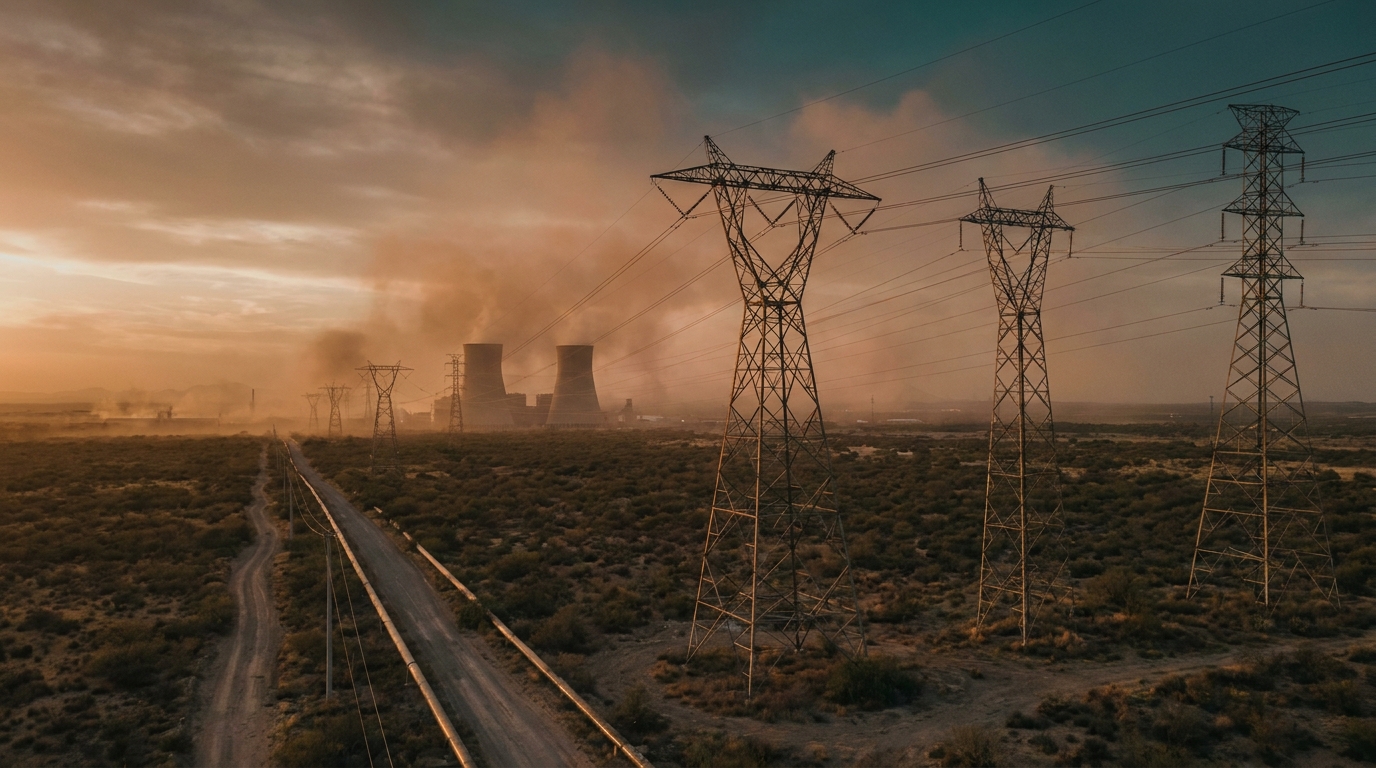
Mexico's National Electric System (SEN) is heading into summer 2026 with a projected peak demand of 54,000 megawatts (MW) against an installed capacity of 90,000 MW, as stated on June 11 by the director of the Federal Electricity Commission (CFE). The reopening of the Strait of Hormuz, formalized on June 19 following the U.S.-Iran truce, adds an unusual variable: crude prices are easing precisely as the grid approaches its seasonal capacity limits.
The Washington-Tehran truce reopened the maritime route that carries up to 20% of the world's crude oil and liquefied natural gas (LNG), ending a blockade that had removed up to 12 million barrels per day from global markets since March 4, according to Expansión. For Mexico, whose fuel imports represent 40% of national consumption, the price decline directly affects the variable costs of the thermoelectric plants CFE dispatches during peak hours. Normalization of the route will be gradual: vessel operators will await successful transits before resuming full commitments, and the impact is already visible in crude futures.
Heat is the demand driver on the industrial side. Columnist Raúl Asís Monforte González, writing in El Financiero, notes that facilities not designed for current temperature cycles are operating with higher cooling loads and lower productive efficiency, translating directly into higher unit production costs. The expansion of nearshoring in states such as Nuevo León, Coahuila, and Querétaro is adding further load at network nodes where transmission capacity is already constrained. The nominal margin between projected demand (54,000 MW) and installed capacity (90,000 MW) does not eliminate dispatch challenges during peak hours or the regional transmission bottlenecks that will determine system reliability through the hottest weeks of the season.
The key indicator to watch is whether lower variable fuel costs feed through to the economic dispatch of the Wholesale Electricity Market (MEM). The National Energy Control Center (CENACE) publishes daily SEN operational reports; data from the coming weeks will show whether the system absorbs peak demand without restrictions.
This article was drafted with artificial intelligence assistance from verified sources and reviewed by a human editor before publication.
Sources
Related stories
This article was drafted with AI assistance from verified sources and reviewed by a human editor before publication.
← All news