Mexico's Climate Initiative Proposes 96 Measures for Its 2030 Target
The think tank delivers a roadmap to Semarnat for implementing NDC 3.0 and reaching 38.5% clean electricity generation by 2030.
On August 11, Mexico's Climate Initiative (ICM) released a document containing 96 public-policy measures to implement the country's 2030 climate target, which includes reaching at least 38.5% of electricity generation from clean sources, up from the 24.6% recorded in 2025. The document was made available to the Ministry of Environment and Natural Resources (Semarnat).
The document, titled Special Climate Change Program 2026-2030 from Civil Society: Recommendations for NDC Implementation, arrives as the PECC 2026-2030, approved by the Intersecretarial Commission on Climate Change (CICC), is under review ahead of its publication. ICM organizes the 96 measures around the five components of NDC 3.0: cross-cutting issues, mitigation, adaptation, loss and damage, and enabling environment and means of implementation. Coverage by Reforma confirms that the organization seeks to translate the NDC into actionable measures, and the document calculates that compliance requires reducing 144 million metric tons of CO₂ equivalent during the current administration.
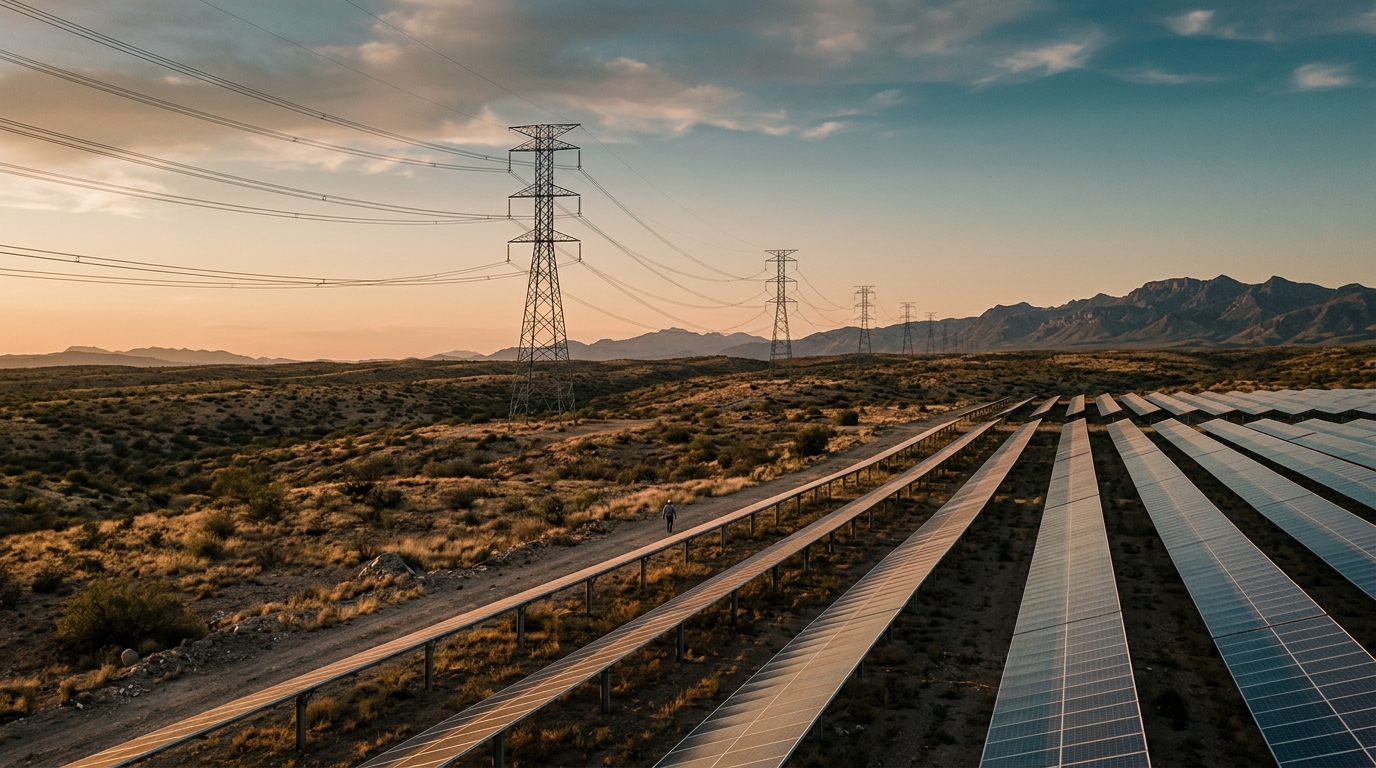
In the power sector, the roadmap proposes adding approximately 15 GW of additional clean capacity and storage, in line with the National Electricity System Strengthening and Expansion Plan 2025-2030, and phasing out coal and fuel oil generation by 2035. In transport, which accounts for 23% of national emissions, it calls for reducing average emissions from new passenger cars from 125 to 63 grams of CO₂ per kilometer and ensuring that 30% of urban bus sales are electric. For oil and gas, the target is a 30% reduction in methane emissions relative to 2020 levels, estimated at 29.2 million metric tons of CO₂ equivalent.
ICM estimates that the 2030 agenda will require investments on the order of 13.6 trillion pesos, approximately 727 billion annually, and proposes amending the General Climate Change Law to incorporate the 2035 targets. The next milestone is the publication of the PECC 2026-2030, which will determine how much of this roadmap is reflected in the official instrument.
This article was drafted with artificial intelligence assistance from verified sources and reviewed by a human editor before publication.
Sources
Related stories
This article was drafted with AI assistance from verified sources and reviewed by a human editor before publication.
← All news