Iran Strikes Kuwait Desalination Plant as Brent Crude Jumps 4.6% to $88.10
Iran's strike on a desalination plant in Kuwait sends Brent crude up 4.6% to $88.10 per barrel, its highest level in a month. The surge raises fuel import costs for Mexico and the region.
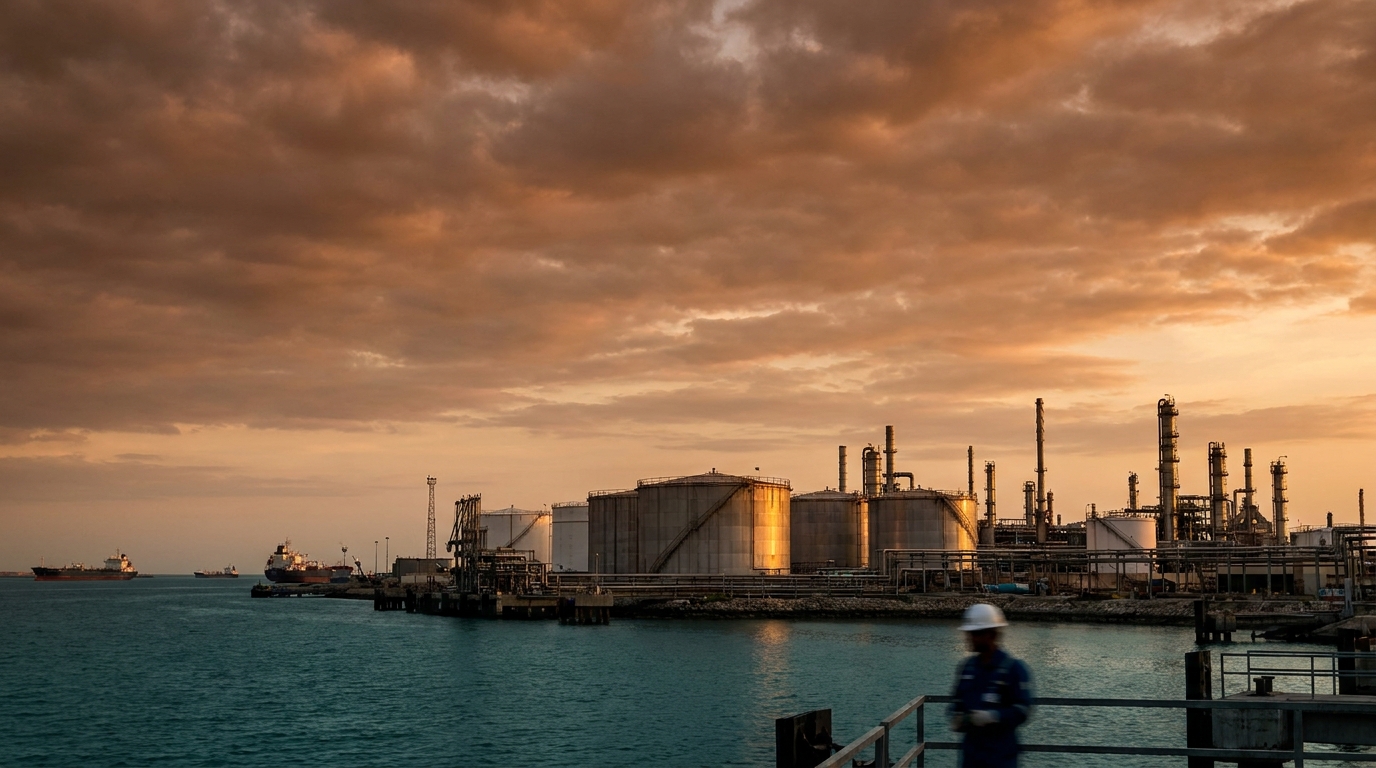
An Iranian strike on a power generation and desalination plant in Kuwait on Friday, July 17, sent Brent crude up 4.6% to $88.10 per barrel, its highest level in a month, according to CNBC. The facility supplies approximately 90% of the country's drinking water, per Kuwait's Ministry of Electricity as cited by Associated Press.
The attack occurred as the United States completed its sixth consecutive night of airstrikes on bridges, ports, and logistics centers in southern Iran, Bloomberg reported. Tehran responded by expanding its offensive to civilian infrastructure across several Gulf countries: in addition to Kuwait, it launched missiles against Bahrain, Qatar, and Jordan. For Mexico, the new jump in Brent raises the cost of importing light crude, gasoline, and diesel at a moment when the Strait of Hormuz, through which approximately 20% of the world's crude oil transits, is operating at three-week traffic lows.
Iran's Revolutionary Guard warned that no oil or gas would be exported from the region as long as U.S. attacks continued, according to the same source. Brent has posted double-digit gains over the past week. The Mexican export blend, which tracks Brent with a customary differential, is pulling domestic fuel prices upward at a moment of pressure on public finances: each additional dollar per imported barrel increases the implicit gasoline subsidy that the federal government covers through the Special Tax on Production and Services (IEPS) stimulus.
International Energy Agency (IEA) Executive Director Fatih Birol expressed concern about the trajectory of the Gulf conflict, Bloomberg reported. The market is now awaiting the weekly inventory report from the U.S. Energy Information Administration (EIA) on Wednesday, July 22, and any signal of a potential coordinated release of strategic reserves by IEA member countries to contain the price escalation.
This article was written with artificial intelligence assistance from verified sources and reviewed by a human editor before publication.
Sources
Related stories
This article was drafted with AI assistance from verified sources and reviewed by a human editor before publication.