Iran Sets Six Conditions to Reopen Hormuz as Brent Tops $84
Iran conditioned the reopening of the Strait of Hormuz on six demands from the United States; Brent tops $84 and the risk premium weighs on Mexico and the region.
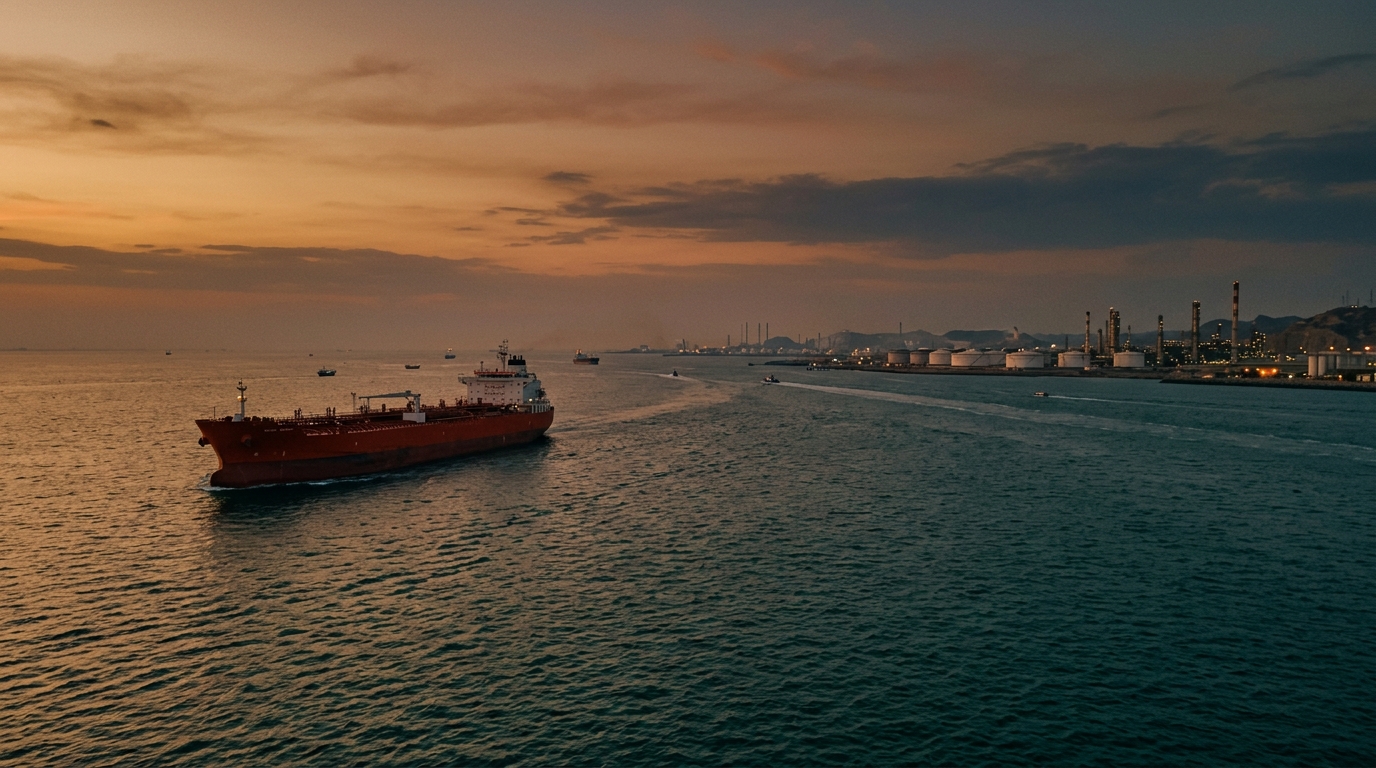
Iran conditioned the reopening of the Strait of Hormuz on Sunday, August 9, on six demands from the United States, as reported by Al Jazeera. On Monday the 10th, Brent was up 1% and trading at $84.24 per barrel, while West Texas Intermediate stood at $78.70, according to OilPrice.
The strait, through which roughly one-fifth of the world's oil supply flowed before the conflict, has been largely blocked since the war in the region began in late February. Between August 4 and 6, between 8 and 15 vessels crossed daily, compared to around 130 before the conflict, according to the MarineTraffic platform as cited by Al Jazeera. Iranian Foreign Minister Abbas Araghchi said that Iran and Oman are close to an agreement on the waterway, but that it will not reopen until Washington meets the conditions. For Mexico and the region, the relevance is one of cost: Brent sustained above $84 makes imported fuels more expensive and raises revenue from Mexican crude exports.
Iran set six conditions, as reported by Reuters:
- Withdrawal of U.S. forces surrounding Iran. - End of the naval blockade. - A permanent peace agreement. - Compensation for war damages. - Sanctions relief. - Release of frozen assets.
Both benchmarks remain below their spring highs, but above pre-conflict levels, with Brent up 16% from before the war, according to Al Jazeera. Tim Waterer, chief market analyst at KCM Trade, told Al Jazeera that the lack of concrete progress is maintaining a risk premium in the price and that each day without a deal makes traders more cautious.
The signal to watch is vessel traffic through the strait in the coming days and Washington's formal response to the six conditions. Daily crossings, which fell from around 130 before the conflict to between 8 and 15 in early August, will continue to serve as the barometer of the risk premium on crude and the fuels imported by the region.
This article was drafted with artificial intelligence assistance from verified sources and reviewed by a human editor before publication.
Sources
Related stories
This article was drafted with AI assistance from verified sources and reviewed by a human editor before publication.
← All news