IMF: Buffers That Kept Crude at $90-100 Are Depleted After Record Inventory Drawdowns
The IMF warns that the buffers that prevented a larger oil price spike are running out, leaving the global economy more exposed to the next supply shock.
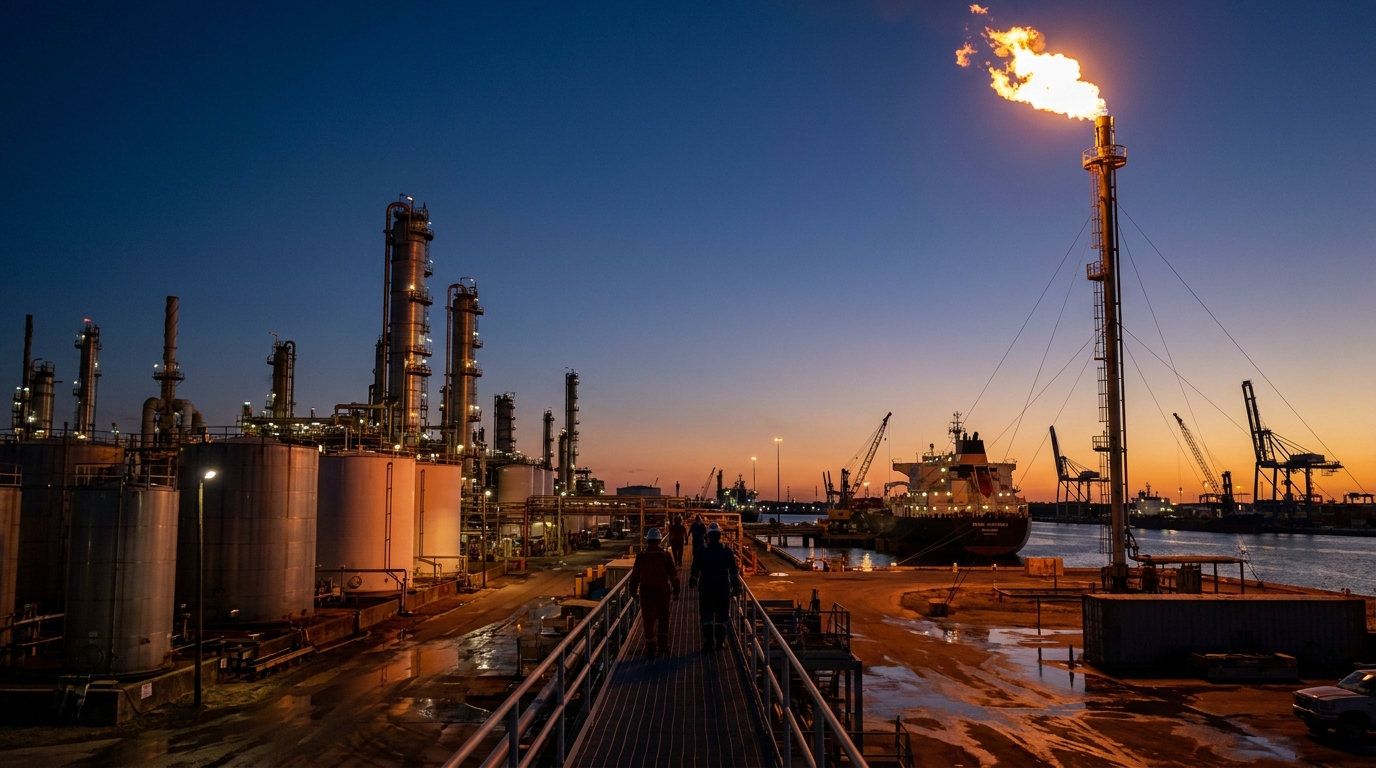
The three mechanisms that prevented a larger oil price escalation during the closure of the Strait of Hormuz are being exhausted, the International Monetary Fund (IMF) warned in an analysis released on July 15. Despite the disruption removing 20 million barrels per day (mb/d) from the market, one fifth of global consumption, Brent held between $90 and $100 per barrel (USD/bbl).
According to the report by IMF economists Jean-Marc Natal and Azim Sadikov, three buffers contained prices. Demand contracted in Asia as high prices incentivized a shift toward coal and renewables. Production outside the Persian Gulf, led by the United States, Venezuela, Guyana, and Russia, added approximately 2 mb/d above 2025 levels. Commercial inventories, including China's strategic reserves, covered an estimated deficit of 4 mb/d between March and May. More than 1.1 billion barrels were unable to re-enter global supply by the end of May, Bloomberg Línea reported.
Second-quarter data published on July 15 by the U.S. Energy Information Administration (EIA) confirms the scale of the adjustment. Global crude inventories declined by an average of 5.1 mb/d during the quarter, while U.S. commercial stocks fell to their lowest seasonal level since 2014. U.S. refineries processed the highest volume of crude for a second quarter since 2019, with distillate exports reaching 1.56 mb/d, 30 percent above the five-year average, and jet fuel exports reaching 356,000 barrels per day, more than double the five-year average.
The IMF warns that "much of that buffer has already been used" and that the global economy "will start from a weaker position when the next shock arrives." Restoring inventories, the institution notes, is essential to prepare for future disruptions.
Brent, which hit a high of $118/bbl on April 29 and a low of $72/bbl on June 26 according to the EIA, rose again at the start of the third quarter following new military strikes that rekindled uncertainty over the Hormuz transit agreement. The EIA will publish its next Short-Term Energy Outlook on August 11, with updated projections on global supply and inventories.
This article was drafted with artificial intelligence assistance from verified sources and reviewed by a human editor before publication.
Sources
Related stories
This article was drafted with AI assistance from verified sources and reviewed by a human editor before publication.