IEEFA Examines Three Electrolysis Routes to Decarbonize Steel
IEEFA analyzes direct iron ore electrolysis for decarbonizing steelmaking: three electrochemical routes and their viability compared to green hydrogen.
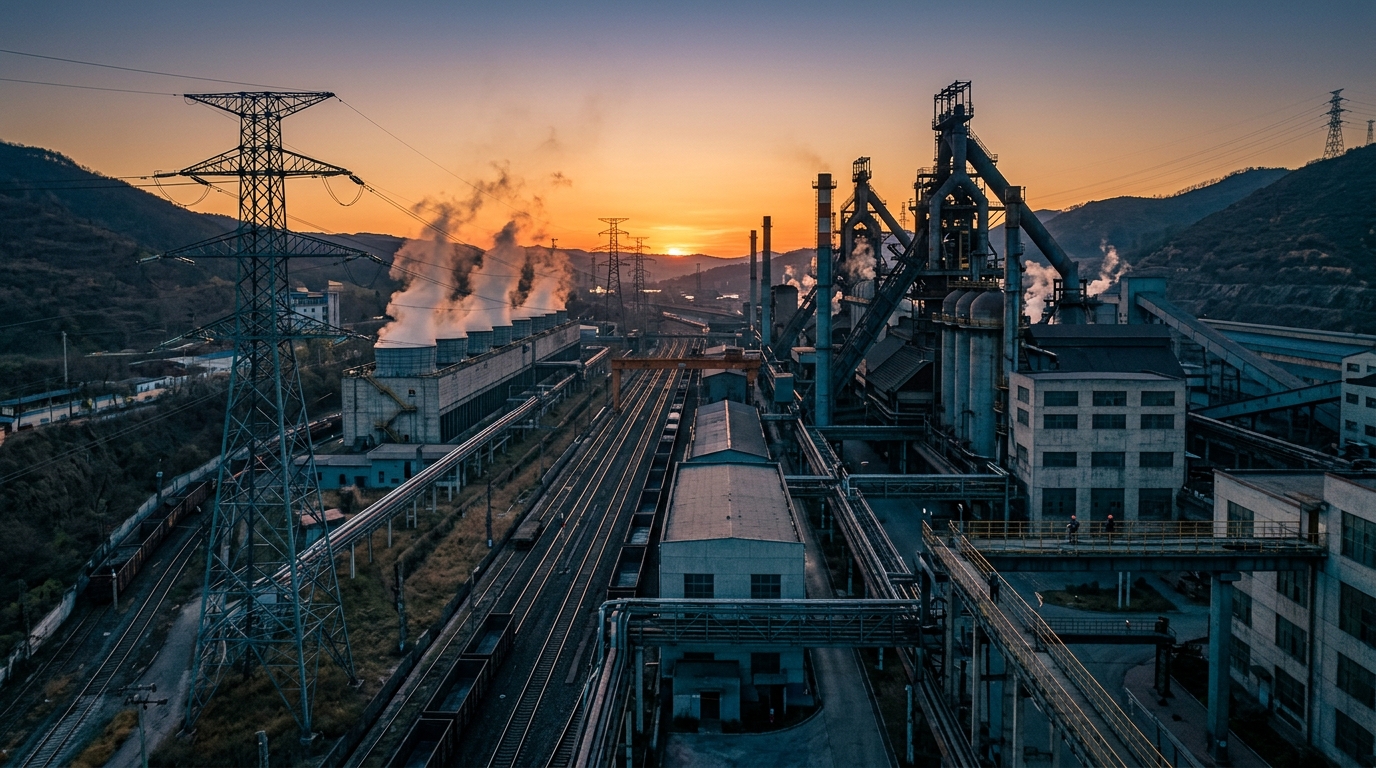
A briefing from the Institute for Energy Economics and Financial Analysis (IEEFA), published on August 25, analyzes the direct electrolysis of iron ore as a route to producing iron with near-zero emissions. The institute identifies three electrochemical routes and warns that the cost of clean electricity, more than the technology itself, determines commercial viability.
Steelmaking is one of the most carbon-intensive industries, and decarbonizing primary steel depends on investment in firm renewable electricity, according to the analysis authored by Soroush Basirat, IEEFA energy finance analyst. The document reviews three routes: molten oxide electrolysis, aqueous solution electrowinning, and molten sulfide electrolysis. The first two have real-world initiatives behind them and are better understood; the third is less advanced. IEEFA underscores that access to clean energy around the clock is a prerequisite for green iron, and that renewable intermittency adds technical complexity. The regional relevance is direct: Brazil concentrates iron ore deposits and pilot plants, and Mexico maintains a heavy industrial base where steel figures prominently in the export supply chain.
Direct electrolysis offers advantages over other routes: it accepts lower-grade ores, including 35% iron magnetite, without preprocessing; it eliminates coking, sintering, and pelletizing; and low-temperature processes tolerate renewable intermittency better. IEEFA notes that Boston Metal, backed by BHP, Vale, ArcelorMittal, and Tata Steel, suffered a technical setback at its Brazilian plant in January 2026, illustrating the nascent state of the technology. Electra and Volteron are testing their own routes at pilot plants; in Australia, Fortescue and Element Zero are advancing at earlier stages. Current production is measured in tons per day, far from competing with hydrogen-based direct reduction (H2-DRI).
IEEFA concludes that direct electrolysis has a potential niche in green iron production at smaller scale, in regions with abundant renewables and low-grade ores, even without an established steel industry. What to watch next is the progress of Boston Metal, Electra, and Volteron pilot plants, and whether they can demonstrate commercial scale against H2-DRI.
This article was drafted with the assistance of artificial intelligence from verified sources and reviewed by a human editor before publication.
Sources
Related stories
This article was drafted with AI assistance from verified sources and reviewed by a human editor before publication.