IDB Finances Bolivia-Chile Electrical Interconnection Study on the Calama-Uyuni Corridor
Bolivia and Chile are studying an electrical interconnection between Calama and Uyuni, financed by the IDB, to leverage solar surpluses. What the study will assess.
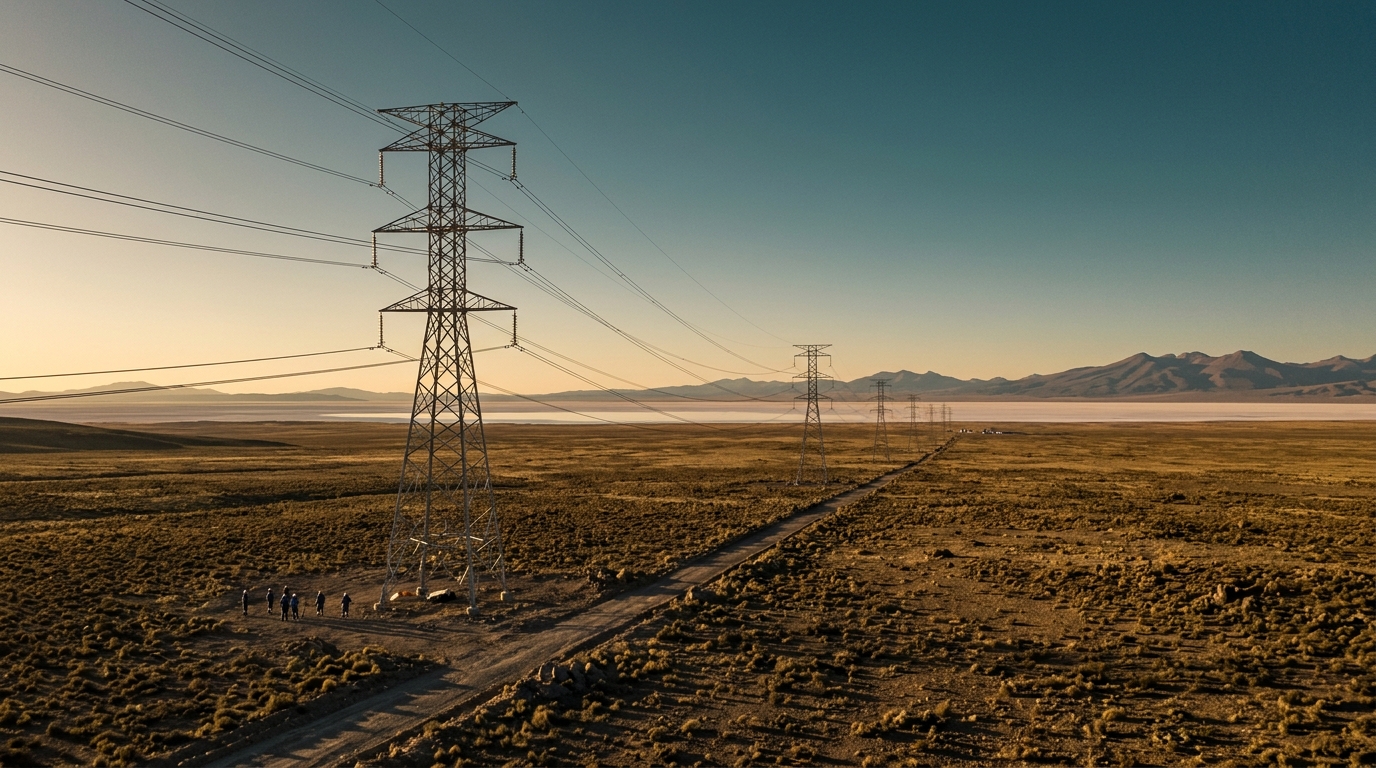
Bolivia and Chile have agreed to advance a study of an electrical interconnection between Calama and Uyuni, financed by the Inter-American Development Bank (IDB), pv magazine Latam reported on August 13. The agreement was reached at a virtual meeting between Bolivia's Hydrocarbons Minister, Marcelo Blanco Quintanilla, and Chile's Energy Minister, Ximena Rincón, within the framework of the Southern Countries Energy Integration System (SIESUR).
The bilateral agenda begins on August 17 and includes the establishment of a Binational Technical Committee and the creation of a regulatory working group to examine the conditions for electricity trade between the two countries. The goal is to convert the existing memorandum of understanding into a formal integration agreement, according to Chile's Ministry of Energy. The link aims to leverage the complementarity between Bolivia's electricity supply and Chilean demand, in line with the regional integration that OLADE is driving.
The study builds on the work of the Andean Electrical Interconnection System (SINEA), whose first phase concluded in 2023 and identified energy complementarity between both systems along with potential economic and environmental benefits. On the Bolivian side, Uyuni is part of the country's main photovoltaic hub: the 62.5 MW Uyuni solar plant operates there, and the system recorded 165.08 MW of installed solar capacity in 2023, according to the National Load Dispatch Committee. ENDE, Bolivia's state-owned utility, announced in March that CAF would finance the 120 MW Chichas solar plant in Potosí with 110 million dollars, making it the country's largest photovoltaic plant under construction. In Chile, Calama sits in the zone with the highest concentration of photovoltaic generation in the National Electric System, which during certain hours records surpluses subject to transmission constraints. The first-phase alternatives included 230 kV double-circuit lines between Pagador and Nueva Lagunas, and between Litio and Nueva Cerro Pabellón; the second phase must assess technical and economic feasibility before defining the solution.
The new study phase will determine whether the Calama-Uyuni corridor materializes as transmission infrastructure, in a context where Chile is planning interconnections with Peru, Argentina, and Bolivia in its 2026-2030 energy planning.
This article was prepared with artificial intelligence assistance based on verified sources and reviewed by a human editor before publication.
Sources
Related stories
This article was drafted with AI assistance from verified sources and reviewed by a human editor before publication.
← All news