Greer Leads Third USMCA Round in Mexico City; Aluminum and Autos on the Table
The third USMCA round opens in Mexico City from July 21 to 23 with Greer at the helm. Aluminum, the automotive sector, and economic security dominate the bilateral agenda.
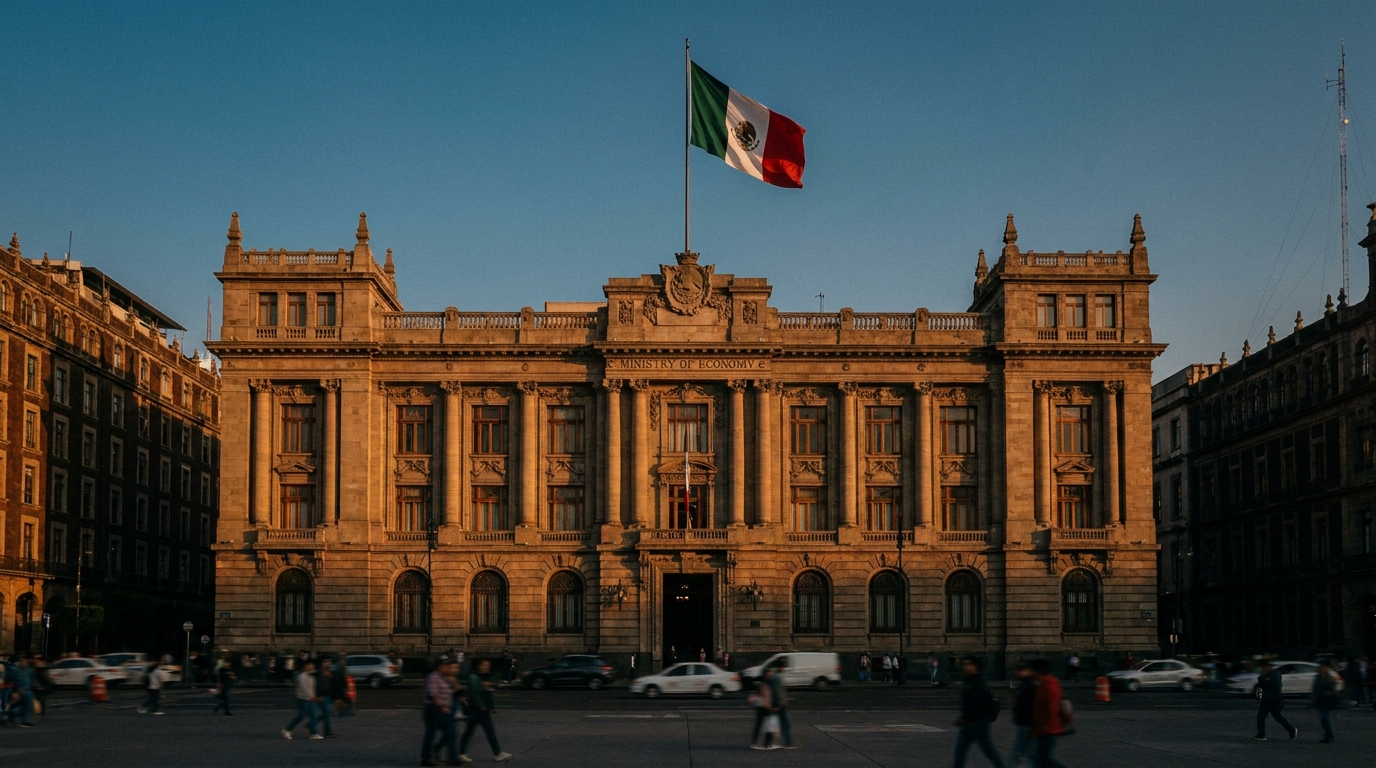
United States Trade Representative Jamieson Greer is leading the third bilateral USMCA negotiating round in Mexico City from July 21 to 23, with an agenda covering steel and aluminum trade, the automotive sector, and economic security, El Financiero reported on July 20.
The round comes at a moment of commercial momentum. José Medina Mora, president of the Business Coordinating Council (CCE), told El CEO that the trade relationship between the two countries "continues to grow" and has not been stalled by the treaty review. Greer thanked Economy Secretary Marcelo Ebrard and his team for "several months of work to strengthen the bilateral trade and economic relationship," according to the USTR statement cited by El Financiero. This week's agenda carries direct industrial weight for Mexico: aluminum and the automotive sector represent a substantial share of the export manufacturing concentrated in the country's north, whose operations require significant volumes of electricity and natural gas.
Medina Mora outlined two scenarios for the treaty's outcome: a major resolution following the U.S. midterm elections in November 2026, or a wait until 2029, when President Donald Trump's term concludes. Trump continues to propose extending the USMCA's validity for another 10 years, subject to annual reviews. President Claudia Sheinbaum's government seeks to use this review to establish long-term commitments and clearer rules, without reopening negotiations every year. The CCE identified reducing dependence on Asian inputs and strengthening regional supply chains as the primary challenge, which creates openings for new suppliers in Mexico. Around 70 percent of Mexican exports to the United States are inputs used by U.S. industry itself, according to consultant Jorge Molina cited by El Financiero, illustrating the co-production character of the bilateral relationship.
If the parties fail to reach consensus this week, technical working groups will resume in September. Bilateral trade maintains its momentum, but the framework governing it remains under negotiation.
This article was drafted with artificial intelligence assistance from verified sources and reviewed by a human editor before publication.
Sources
Related stories
This article was drafted with AI assistance from verified sources and reviewed by a human editor before publication.