GHG Protocol Uncertainty Chills Corporate Solar PPAs: 10% Drop in 2025
BloombergNEF reports the market's first contraction in nearly a decade; corporate buyers are pausing contracts amid uncertainty over the new Scope 2 carbon accounting standard.
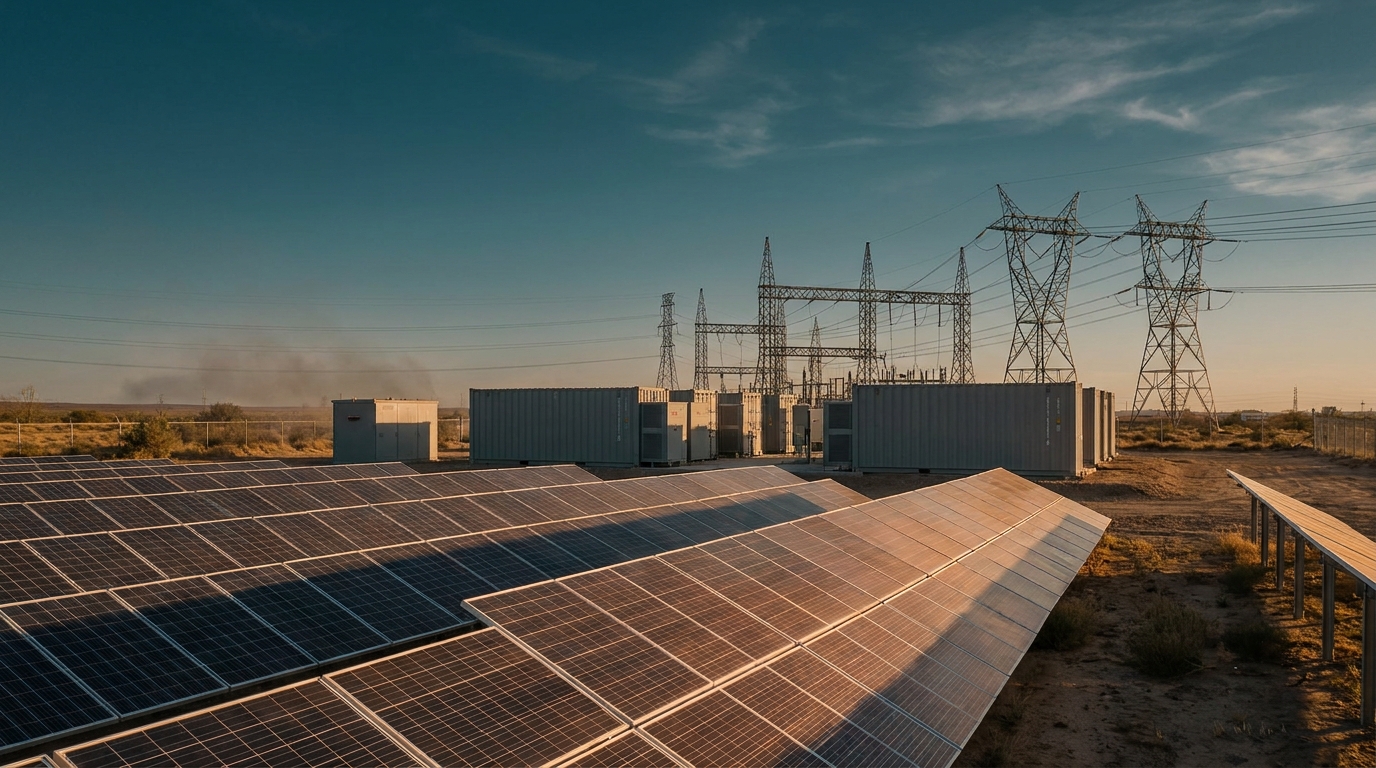
The global market for corporate clean energy contracts (PPAs) fell 10% in 2025, to 55.9 gigawatts (GW), the first contraction in nearly a decade, according to BloombergNEF's (BNEF) mid-year report. JP Cerda, CEO of trading platform Renewabl, attributes the slowdown to unresolved ambiguity in the Scope 2 carbon accounting rules of the GHG Protocol.
The GHG Protocol, the global emissions accounting standard, is revising its Scope 2 guidance for the first time since 2015. That guidance determines how companies report emissions from purchased electricity. The central proposal is to move from annual matching of renewable energy certificates to hourly matching (known as 24/7 carbon-free energy), which would require each megawatt-hour consumed to be backed by clean generation in the same hour. The first public consultation closed in January 2026; a second round is expected in the second half of the year, with a final standard due in 2027. In April 2026, a coalition of 66 companies, including Amazon, Meta, Apple, and General Motors, representing $4.6 trillion in combined revenues, launched the "May not Shall" campaign to request that the new rules be voluntary rather than mandatory, as documented by S&P Global Commodity Insights.
BNEF data reveals a bifurcated market. Big Tech accounted for 49% of global contracting, while the number of unique corporate buyers in the United States collapsed 51%, from 68 to just 33. In Europe, the Middle East, and Africa, volume fell 13% to 17 GW; in Asia-Pacific, the contraction reached 35%, to 6.9 GW. The Americas held steady at 32.1 GW, underpinned by a record 29.5 GW in the United States. "Companies are waiting for the final protocol decision to see what rules will be imposed on them," Cerda told pv magazine. The market is already adapting: 5.8 GW of hybrid contracts were signed in 2025 (solar plus storage, wind paired with solar), and batteries are emerging as what Cerda calls "temporary liquidity providers," capable of absorbing certificates during hours of solar surplus and reselling them during deficit hours.
The GHG Protocol's second consultation, expected in the second half of 2026, will determine whether the new rules will be mandatory or voluntary. For markets such as Mexico and Brazil, where private corporate PPAs are the standard instrument for monetizing renewable projects, the direction of global regulatory policy will shape investment decisions and the structure of future contracts. Cerda anticipates the market will "return to normal" once the rules are clear, with gradual implementation beginning with large tech buyers.
This article was written with artificial intelligence assistance from verified sources and reviewed by a human editor before publication.
Sources
Related stories
This article was drafted with AI assistance from verified sources and reviewed by a human editor before publication.
← All news