Fitch Warns That Mexico's Macroeconomic Risks Could Affect Pemex's Credit Rating
Fitch warns that Mexico's fiscal pressure and weak growth could affect Pemex's credit rating (BB+). The 2027 Budget will define the level of government support.
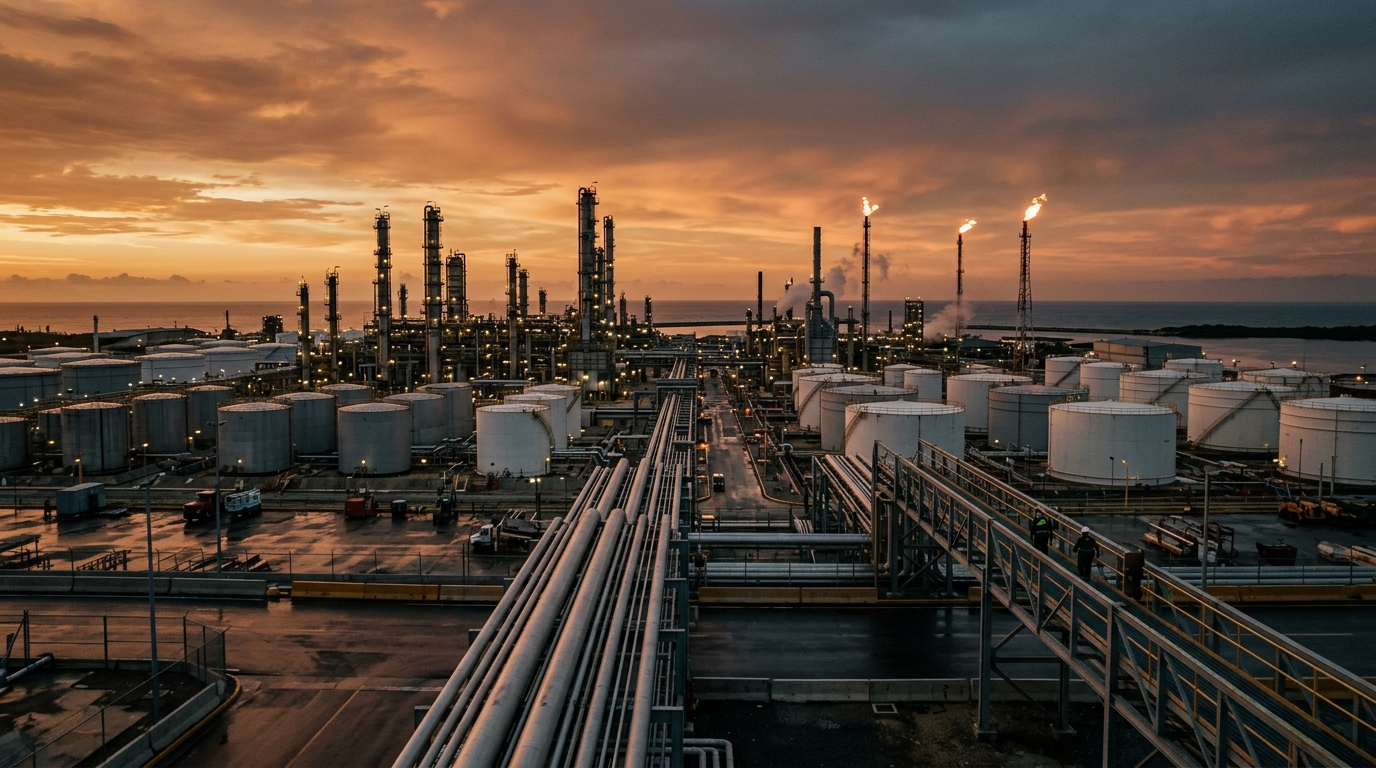
Fitch Ratings warned on September 8 that Mexico's macroeconomic risks, including weak growth and fiscal pressure, could affect the credit rating of Petróleos Mexicanos (Pemex, BB+), beyond the company's own operational performance. The assessment comes from Saverio Minervini, director of corporate ratings at Fitch for Latin America, in an interview with Bloomberg Línea.
Minervini cited several factors: the USMCA negotiations with the United States, political uncertainty, sluggish growth, the fiscal deficit, and hydrocarbon prices, all of which indirectly raise the oil company's cost of capital. The link between the two ratings is close: Fitch places Pemex one notch below Mexico's sovereign rating (BBB-), rather than two, reflecting the government support it has extended and expects to maintain. At the Fitch on México 2026 forum, Shelly Shetty, the agency's director of Sovereigns for the Americas, explained that the sovereign balance sheet is discounted by a full notch due to the burden Pemex places on public finances, according to El Universal.
Fitch describes Pemex's standalone financial profile as persistently weak, with negative funds from operations, compressed EBITDA, declining production, and losses in refining, and assigns it an individual rating of CCC. Last year the government deployed a US$50,000 million rescue package and expects Pemex to cover its obligations on its own in 2027. The agency estimates that the Mexican economy will grow roughly 1% this year, one of the weakest performances among emerging economies, and reported that a crude oil rebound toward US$100 per barrel has pushed up fuel costs and led the government to subsidize gasoline and diesel, a measure that strains public revenues. "The price of oil is always a risk, and if prices fall below US$60 per barrel, Pemex would not be generating enough cash flow to reinvest in projects," said Minervini.
The 2027 Budget proposal, which the government planned to present on September 8, will detail the financial policy for Pemex and the economic criteria for the coming year. Fitch expects the company will continue to require government backing, making the scale of that support the next key signal for its rating.
This article was written with artificial intelligence assistance based on verified sources and reviewed by a human editor before publication.
Sources
Related stories
This article was drafted with AI assistance from verified sources and reviewed by a human editor before publication.