European gas surpasses 60 euros and US gasoline tops 4 dollars amid the Iran-US war
The Dutch TTF hits four-month highs and US gasoline returns to 4 dollars per gallon; both markets reflect the disruption to Strait of Hormuz transit.
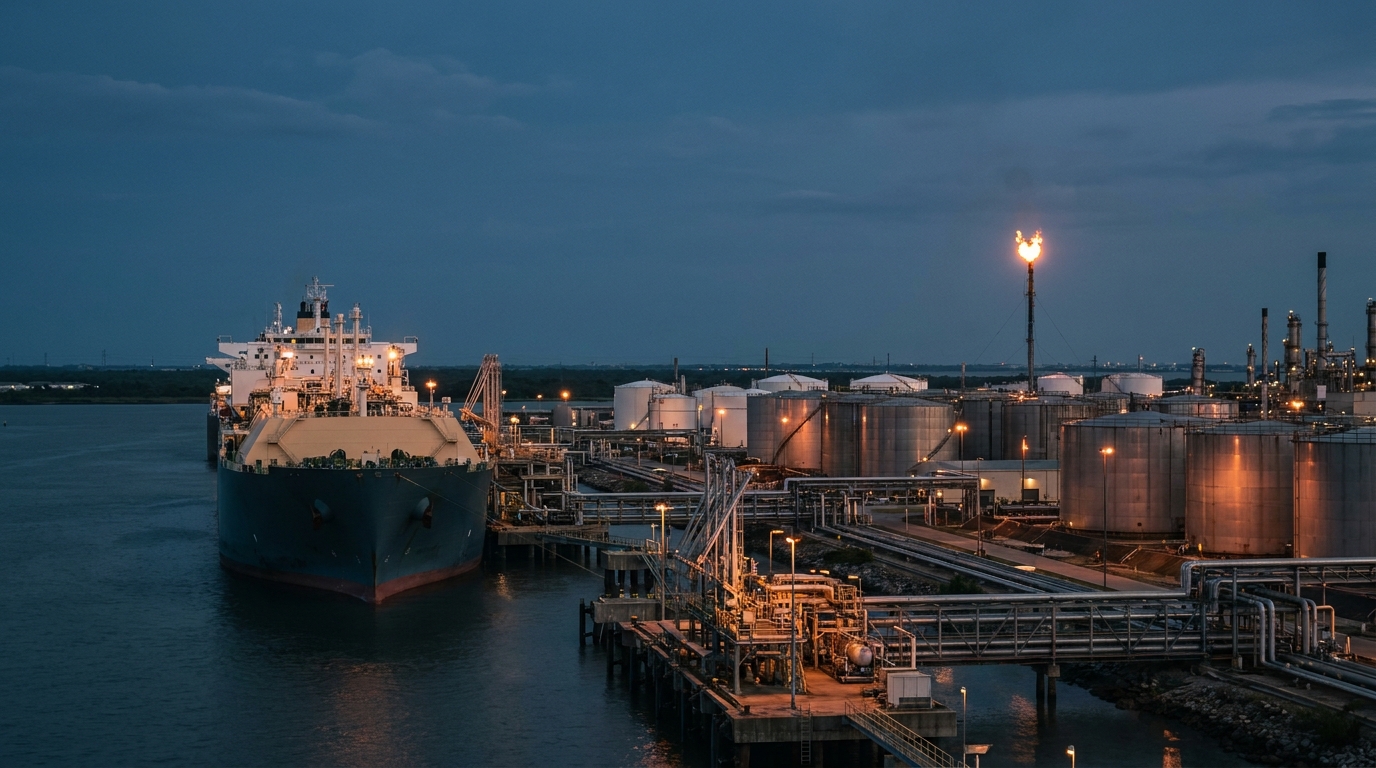
European benchmark natural gas, the Dutch TTF, surpassed 60 euros per megawatt-hour (MWh) on Monday, July 20, 2026, its highest level in four months. US gasoline crossed 4 dollars per gallon the same day for the first time since mid-June, according to AAA data reported by AP.
The military escalation between the United States and Iran, which began on February 28, 2026 and intensified in early July after the collapse of a ceasefire, has reduced vessel transit through the Strait of Hormuz, through which approximately 20 percent of global oil and liquefied natural gas (LNG) trade passed before the conflict. Since then, only 26 LNG cargoes have left the Persian Gulf heading east, compared to the usual 90 to 100 per month, according to The Guardian. Analytics firm ICIS cut its 2026 global LNG supply forecast from 441 million tonnes to 431 million.
The Dutch TTF reached 60.52 euros per MWh in Monday's session before retreating to around 57 euros, after Iran confirmed it is keeping diplomatic channels open with the United States. The European benchmark has risen more than 33 percent so far in July. On the other side of the Atlantic, the US national average for regular gasoline touched 4.003 dollars per gallon, 27 percent above the 3.14 dollars recorded a year ago. Andreas Schroeder, an analyst at ICIS, noted that the cost of refilling European storage reaches 60 euros per MWh in a cold-winter scenario, versus 54 euros estimated under mild conditions.
The Hormuz disruption raises the cost of the LNG Europe needs to fill its storage ahead of winter (currently 10 percentage points below 2025 levels) and pushes up the crude that feeds US refineries. Iran's diplomatic signal moderated prices at Monday's close, but the European restocking season is only beginning.
This article was produced with artificial intelligence assistance from verified sources and reviewed by a human editor before publication.
Sources
Related stories
This article was drafted with AI assistance from verified sources and reviewed by a human editor before publication.