EU Signs First Tripartite Storage Agreement with 35 GW Target for 2028
The European Commission signed the first tripartite energy storage agreement with 22 member states. Target: 35 GW of new capacity by 2028 and 200 GW by 2030.
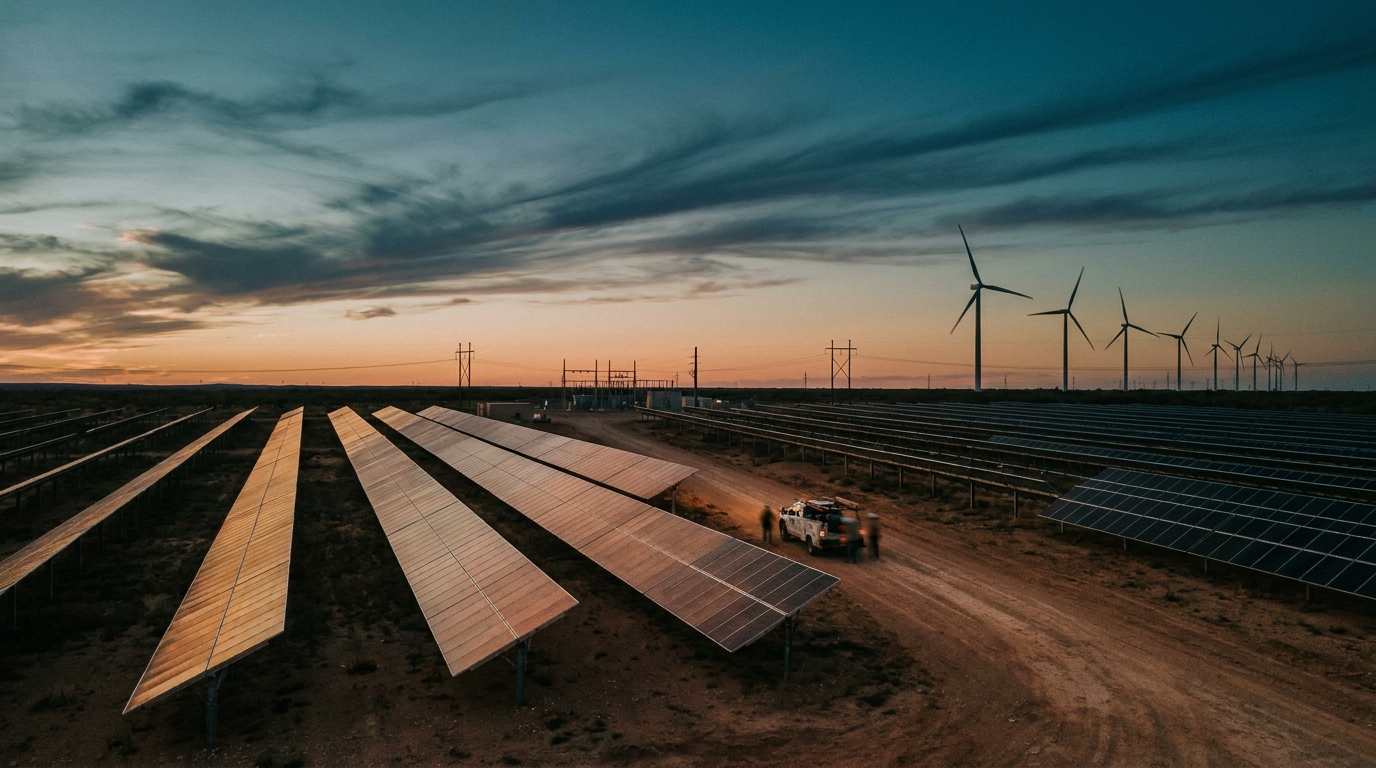
The European Commission signed on June 26 the first tripartite energy storage agreement in EU history, with 22 member states committed to installing between 30 and 35 GW of new capacity by 2028, up from the 12 GW deployed annually in 2025, according to the official statement from the European executive.
The agreement, concluded on the sidelines of the Energy Ministers Council in Luxembourg, brings together national governments, storage and renewable energy developers, and financial institutions. The Commission estimates that the EU will need approximately 200 GW of storage by 2030, nearly four times the 55 GW installed at the start of 2026, to absorb intermittent renewable generation and stabilize wholesale prices against natural gas volatility. Energy Commissioner Dan Jørgensen described storage as "the missing link in the energy transition."
The EIB Group backed the initiative with two concrete instruments: it will extend its €500 million pilot program in corporate power purchase agreements (PPAs) to cover storage projects, and will expand its €1.5 billion package for the grid supply chain to battery component manufacturers. Member states committed to removing regulatory barriers, authorizing grid tariffs that incentivize flexibility, and aligning their support schemes with the Clean Industrial State Aid Framework (CISAF).
The agreement sets concrete 2028 targets: doubling storage's share of peak demand (from 5 to 10 percent), tripling battery-linked PPAs (from 1.5 to 4.5 GW), and raising industrial and commercial capacity from 9 to 24 gigawatt-hours (GWh). The Commission will monitor progress annually through the Energy Union Working Group and will update grid codes to facilitate integration of battery storage systems.
For Mexico and Latin America, the European agreement is a market signal with direct implications: an institutional commitment of this scale compresses global battery cell prices and accelerates the technology learning curve, benefiting buyers across the region. Mexico includes a 5,000 MW storage target in its PRODESEN 2025-2039; the European benchmark establishes a systemic planning threshold that Latin American regulators can follow closely.
This article was drafted with artificial intelligence assistance from verified sources and reviewed by a human editor before publication.
Sources
Related stories
This article was drafted with AI assistance from verified sources and reviewed by a human editor before publication.
← All news