ERCOT Forecasts Record 98,000 MW Demand in Texas, Driven by Data Centers
The Texas grid operator puts the range between 90,500 and 98,000 MW; artificial intelligence data centers are the primary driver of the increase.
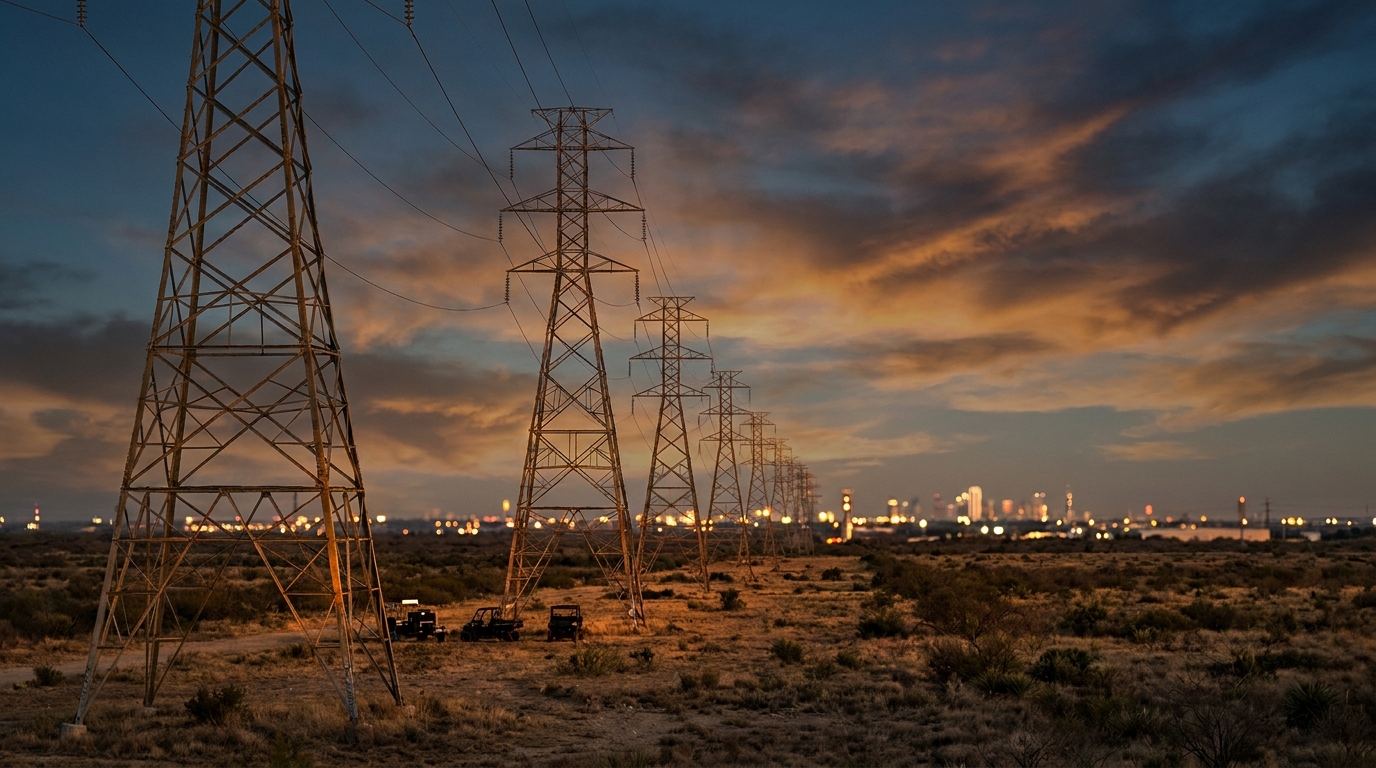
The Texas grid operator (ERCOT) estimates that peak electricity demand this summer will reach between 90,500 and 98,000 megawatts (MW), above the all-time record of 85,508 MW set in August 2023. Growth is driven primarily by the expansion of artificial intelligence data centers in the state.
ERCOT presented the forecast to the Public Utility Commission of Texas (PUCT) in April 2026. The operator's president and CEO, Pablo Vegas, noted that the state is experiencing "exceptional growth and development" and that new load is being added "faster and in larger volumes than ever," according to Natural Gas Intelligence. The projection carries cross-border implications: the Texas grid relies on natural gas for more than one-third of its electricity generation, and a simultaneous heat peak in Texas and Mexico puts upward pressure on the availability and price of Permian gas flowing across the border to power plants operated by the Comisión Federal de Electricidad (CFE).
Non-crypto data centers account for 149,258 MW, representing 93% of large-load interconnection requests before ERCOT through 2029. Between May and September 2026 alone, ERCOT expects 1,725 MW of additional load of this type to come online. The U.S. Energy Information Administration (EIA) reported that ERCOT demand grew 5% between January and September 2025, and projects a 14% increase for the same period in 2026, cementing the Texas grid as the fastest-growing electricity system among all U.S. power networks. ERCOT cautioned, however, that an alternative preliminary forecast of 112,000 MW for the same summer is overstated, and is working with the PUCT to refine its large-load forecasting methodology.
The regional risk is not a Texas blackout (the operator confirms it will have sufficient generation to meet demand), but rather upward pressure on natural gas prices if Texas thermal plants compete with pipeline exports to Mexico during peak simultaneous consumption days. The final summer resource report and the trajectory of the Henry Hub price are the signals to watch.
This article was drafted with artificial intelligence assistance from verified sources and reviewed by a human editor before publication.
Sources
Related stories
This article was drafted with AI assistance from verified sources and reviewed by a human editor before publication.
← All news