El Salvador Solar PV Reaches 846 MW, 26.4% of National Grid
Solar overtook hydroelectric and fossil fuels as the largest installed generation technology in El Salvador, according to SIGET data at the close of 2025.
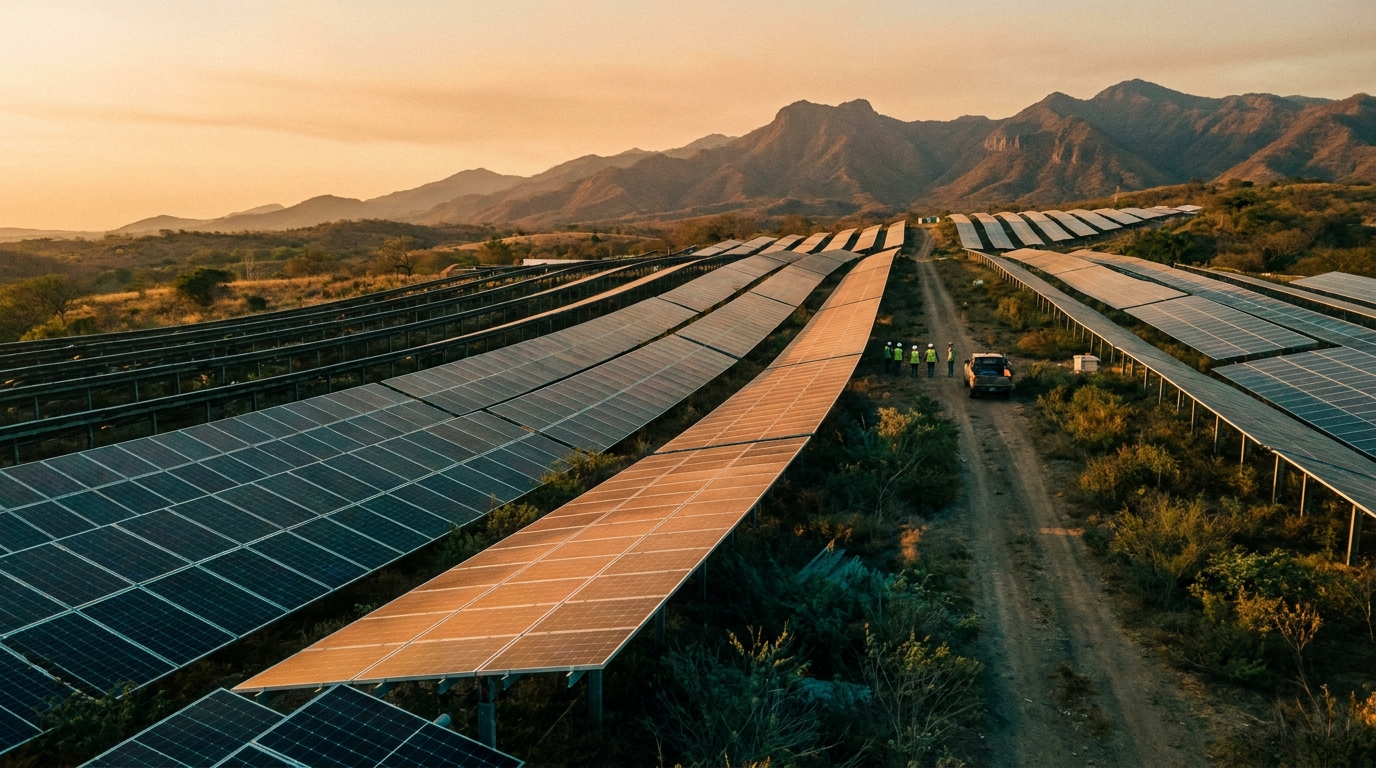
Solar photovoltaic energy closed 2025 as the technology with the highest installed generation capacity in El Salvador, with 846.62 megawatts (MW) representing 26.4% of the national fleet, according to data from the Superintendencia General de Electricidad y Telecomunicaciones (SIGET). It is the first time solar has surpassed both hydroelectric generation and fossil fuel plants in El Salvador's electricity matrix.
The milestone consolidates a trajectory of accelerated growth: photovoltaic capacity had already overtaken hydroelectric (638.53 MW) in 2024, and in 2025 it surpassed installed thermal capacity, which closed the year at 740.91 MW (23.14% of the total), as reported by Prensa Latina. El Salvador's total generation fleet reached 3,200.61 MW at the close of 2025, of which 2,072.01 MW (64.7%) came from renewable sources and 1,128.61 MW (35.3%) from non-renewable technologies.
The figure makes El Salvador a reference case for Central America: a modest-scale electricity market (just over 3 GW of total capacity) demonstrating that solar can lead the generation mix without reaching gigawatt scale. The signal is relevant for Mexican states with high solar irradiance, such as Sonora and Chihuahua, where distributed solar still has significant room to penetrate.
SIGET data analyzed by pv magazine show that of the 846.62 MW of total installed solar, 282.30 MW correspond to the wholesale market (plants selling electricity to the system) and 564.32 MW to the retail market, which includes residential, commercial, and industrial installations. Distributed generation thus accounts for two-thirds of the country's photovoltaic capacity.
Year-on-year solar growth was 112.39 MW compared to the close of 2024. The remaining renewables are distributed across biomass (325.10 MW, up 29.7 MW), geothermal (209.40 MW), wind (54 MW), and biogas (8.35 MW), according to official data from the regulator.
SIGET warned that the accelerated solar deployment will require complementary investments in battery storage systems to guarantee supply during off-sun hours. The Renewable Energy Promotion Law, approved in October 2025, already includes VAT exemptions for storage equipment, pointing toward a new phase of sector growth in 2026.
This article was drafted with artificial intelligence assistance from verified sources and reviewed by a human editor before publication.
Sources
Related stories
This article was drafted with AI assistance from verified sources and reviewed by a human editor before publication.
← All news