EIA: The U.S. Will Double Battery Storage Capacity to 105 GW by 2028
U.S. grid-scale battery capacity grew from 43.6 GW to nearly 52 GW in one semester and is on track to reach 105 GW by 2028.
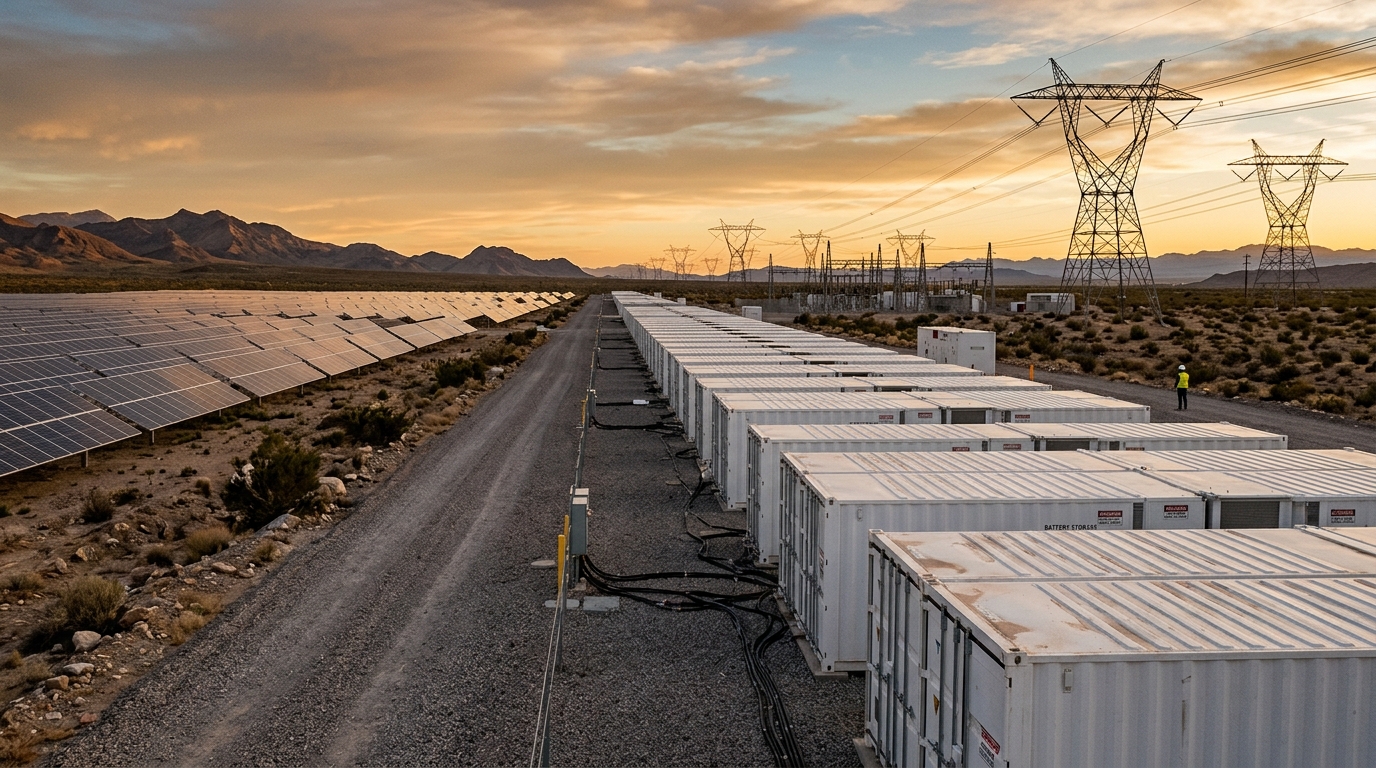
Grid-scale battery energy storage (BESS) in the United States grew at an average annual rate of 70% over the past three years, reaching nearly 52 GW at the close of June 2026, according to the U.S. Energy Information Administration (EIA). The agency projects that capacity will surpass 105 GW by the end of 2028.
The expansion coincides with large-scale solar deployment: photovoltaic plants host the largest storage units on the grid, and batteries store electricity when wholesale prices are low to dispatch it during peak hours, according to pv magazine USA. The EIA projects 70 GW of new solar capacity in 2026 and 2027, a 49% increase over the installed base at the end of 2025. For the region, that pace sets the technical and supply-chain standard underpinning the storage mandates that Mexico and Chile have already incorporated into their own auctions. In Texas, the ERCOT grid will grow from 15 GW to 37 GW of batteries by late 2027 to integrate solar generation.
The development pipeline adds 54 GW over the next two and a half years: 14 GW in the second half of 2026, 26 GW in 2027, and 14 GW in 2028, based on plans that developers have reported to the EIA. Hybrid projects are setting the deployment pace: Bellefield in California pairs 500 MW of solar with 500 MW of batteries and plans to double both capacities by November 2026; Manatee in Florida combines 75 MW of solar with 409 MW of storage; and Gemini in Nevada pairs 690 MW with 380 MW. Storage reduces reliance on peaker plants during high-demand events, sustaining grid reliability as solar penetration continues to rise.
The next verifiable milestone is Bellefield's doubling, scheduled for November 2026. The EIA notes that if those plans are realized, it will become the largest storage installation in the United States. For the region, the trajectory of those figures signals the cost and technology availability path that Mexican, Chilean, and Brazilian auctions are already incorporating.
This article was drafted with artificial intelligence assistance from verified sources and reviewed by a human editor before publication.
Sources
Related stories
This article was drafted with AI assistance from verified sources and reviewed by a human editor before publication.
← All news