DOE Authorizes PJM to Use Backup Generation Amid Heat Wave
The U.S. Department of Energy authorized PJM Interconnection to operate backup generation as a last resort amid the risk of rolling blackouts from the heat wave.
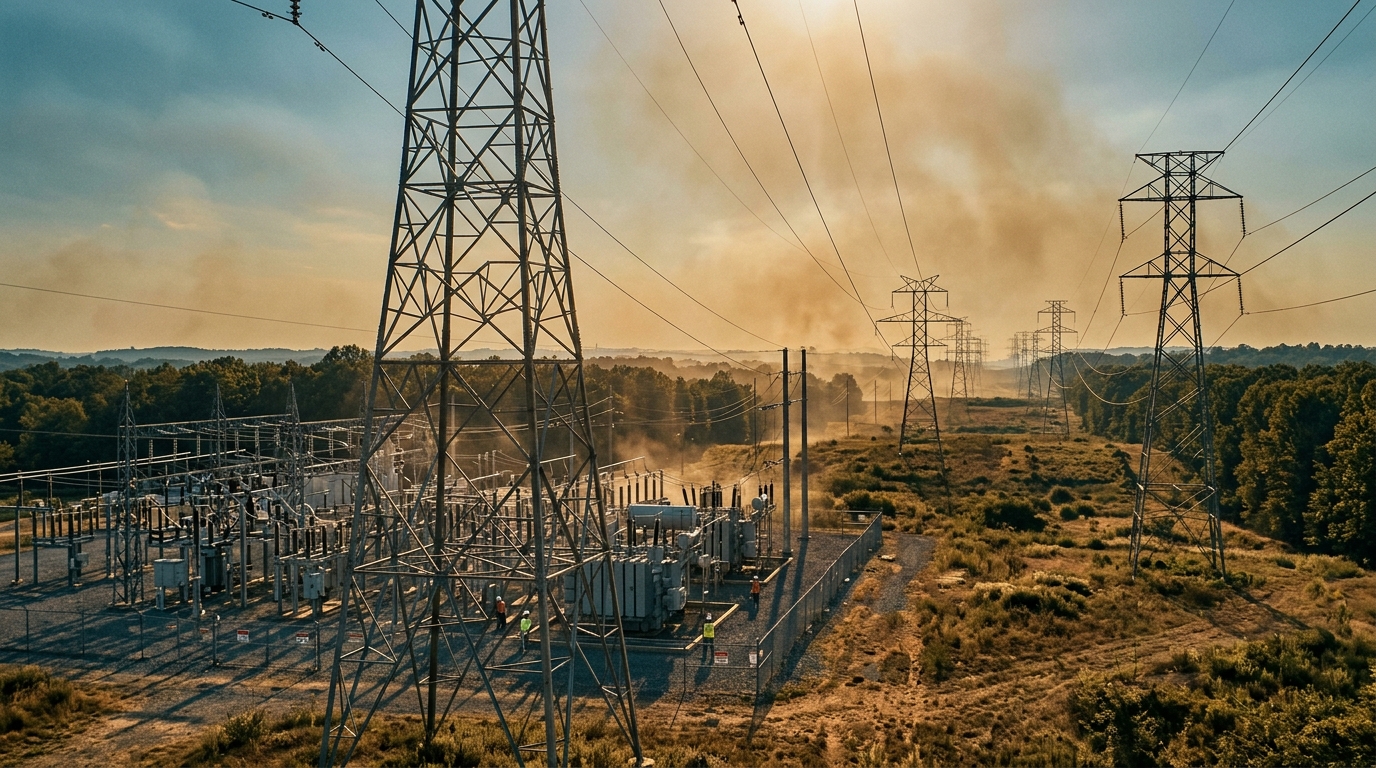
On the night of Tuesday, September 1, the U.S. Department of Energy (DOE) authorized PJM Interconnection, the country's largest electric grid, to operate backup generation as a last resort amid a heat wave that raised the risk of blackouts across a region serving 67 million people, from Washington D.C. to Chicago.
The authorization is a preliminary step before declaring a Level 3 Energy Emergency Alert, one of the last thresholds before rolling blackouts. PJM activated a maximum generation alert and a load management alert for Wednesday, September 2, and projected peak demand of 147,840 MW for that day and 152,038 MW for September 3, according to its operations update. Temperatures will exceed 32 °C in Chicago, St. Louis, and Washington during peak consumption hours. For the region, the episode is a litmus test for North American electricity market reliability, a key reference for power flows between Mexico and the U.S.
MISO (Midcontinent Independent System Operator), covering 15 Midwest and Southern states, projected peak demand of approximately 121 GW for Wednesday, near its all-time high of 127.1 GW, and raised its reserves given the tight conditions, according to The Guardian. The DOE explained that the measure aims to stabilize the Mid-Atlantic grid and mitigate the risk of blackouts; Secretary Chris Wright said that maintaining reliable supply during the heat is non-negotiable. PJM also requested a combined emergency order, valid through September 8, to ease environmental restrictions on plants and operate backup generation at large consumers when required. In Missouri, the Howell-Oregon cooperative advised its customers to unplug chargers and raise their thermostats.
The pivotal date is September 3, when PJM projects peak demand of 152,038 MW, the highest of the episode. The DOE order remains in effect through September 8, so any escalation of alerts during those days will determine whether the grid avoids rolling blackouts.
This article was written with artificial intelligence assistance from verified sources and reviewed by a human editor before publication.
Sources
Related stories
This article was drafted with AI assistance from verified sources and reviewed by a human editor before publication.