Diesel Margin Falls to 1.50 Pesos; Station Owners Push to Revise the 27-Peso Cap
550 stations meet with SAT, SENER, and Pemex to review the 27-peso diesel cap; the operating margin fell from 2 to 1.50 pesos per liter in July.
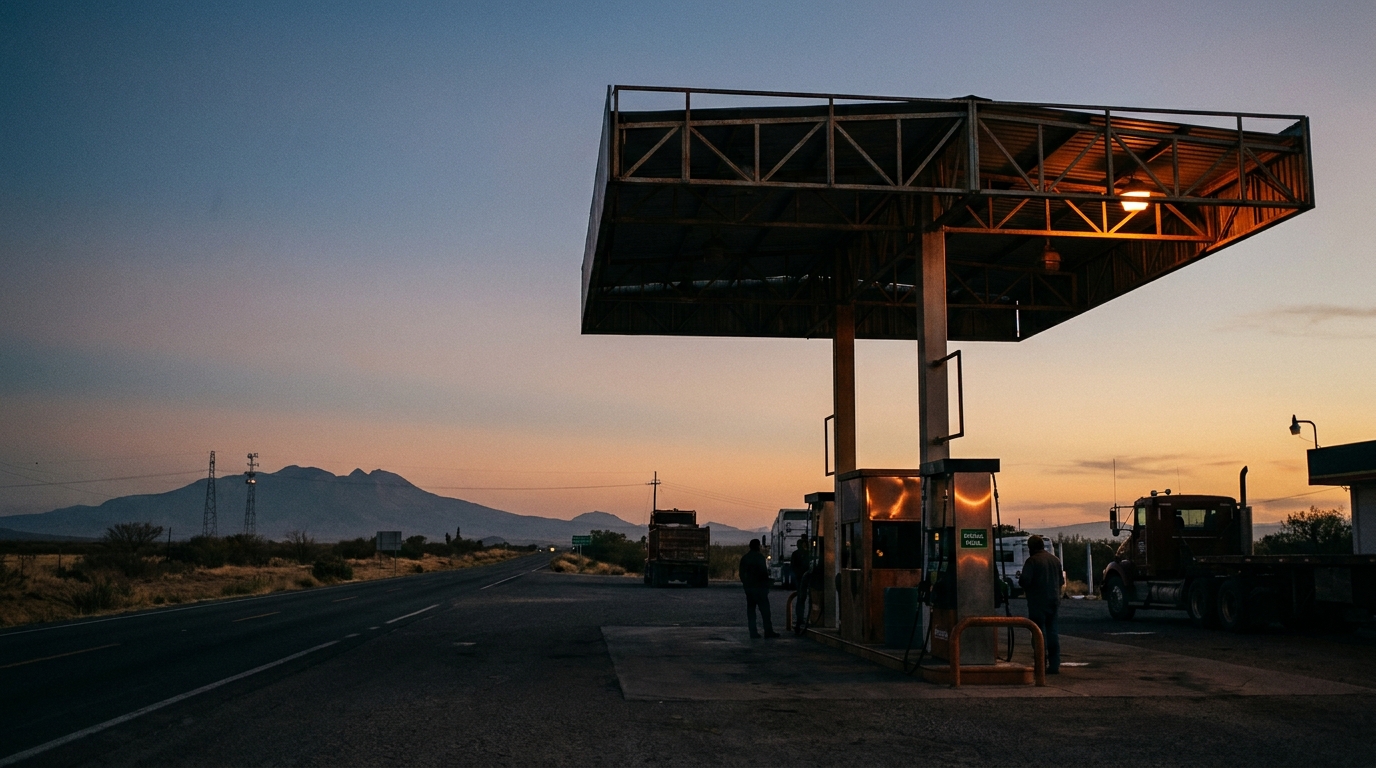
Representatives of some 550 service stations will meet this Tuesday in Guadalajara with the SAT, SENER, and Pemex to request a review of the 27-peso-per-liter diesel price cap, El CEO reported. The voluntary agreement, in effect since May 4, shows 80 percent compliance nationwide, but operating margins have fallen from more than 2 pesos to 1.50 pesos per liter.
The agreement, announced in April by the federal government, set the maximum diesel price at 27 pesos per liter and at 25.39 pesos in the border zone, where a reduced VAT rate of 8 percent applies, Milenio reported. In exchange, authorities offered a fiscal stimulus on the IEPS, reduced bank commissions, Pemex logistical support to cut transportation costs, and enhanced security on highways and at stations.
However, sector representatives told El CEO that the reduction in bank commissions never materialized and that insecurity persists in states such as Sinaloa. The actual enforcement mechanism rests not with Profeco but with the SAT's Hydrocarbon and Petroleum Supplement: a CFDI 4.0 validation that, since April 24, verifies each station's active permit against the registry of the National Energy Commission (CNE). Without a valid invoice, the sale loses its tax standing, Energy Magazine reported.
According to Onexpo, the actual margin per liter fell from more than 2 pesos at the start of 2026 to 1.50 pesos plus VAT in July. Profeco reports that 96 percent of stations have joined the agreement, though weekly compliance hovers around 80 percent. The government published a list of 2,163 stations selling diesel above the cap, according to La Jornada, as a public pressure tool.
Independent station owners, most of whom operate one to three stations, called for an explanation of the cap's methodology, a firm end date given the possibility that the agreement could extend beyond the original six months, and regionalized price caps that reflect differentiated logistics costs. Pipeline losses represent roughly 10 percent of each delivery.
Tuesday's meeting will be the first test of whether the government will agree to modify the agreement's terms. The sector is watching for two signals: whether an exit date is set for the cap, whose original six-month term expires in October, and whether the discussion on regionalized pricing advances beyond the meeting.
This article was drafted with artificial intelligence assistance from verified sources and reviewed by a human editor before publication.
Sources
- Gasolineros se reunirán con el SAT, SENER y Pemex; piden revisar el tope al diésel
- Gobierno exhibe gasolineras con precios altos de diésel; ésta es la lista
- Tope al diésel en México: el mecanismo fiscal del SAT que sí puede sacar del mercado a una gasolinera
- Exhiben más de 2 mil gasolineras con precios del diésel encima de los 27 pesos por litro
Related stories
This article was drafted with AI assistance from verified sources and reviewed by a human editor before publication.