China Reaches 1,286 GW of Solar, Surpassing Coal in Installed Capacity
China's solar capacity reached 1,286 GW, overtaking coal, and is driving down the cost of panels feeding solar projects in Mexico and Latin America.
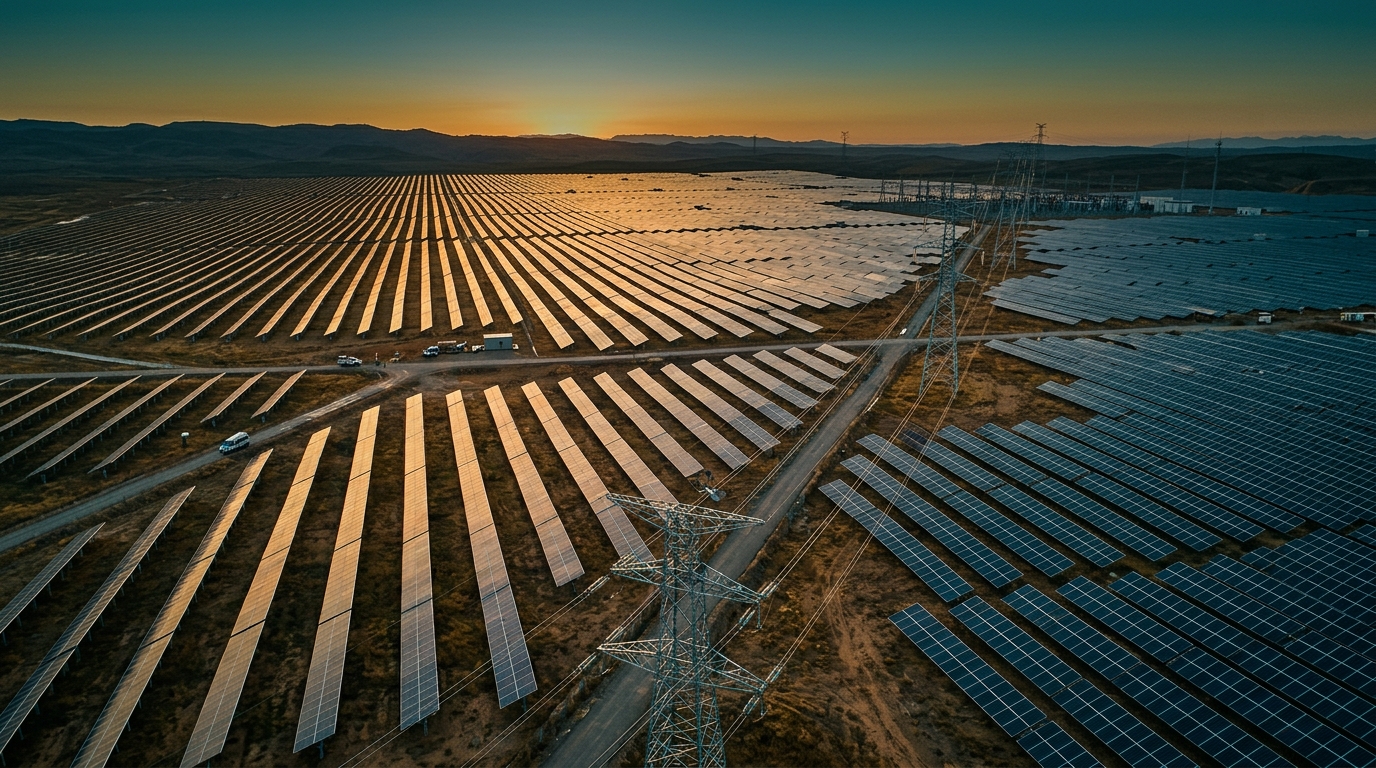
As of the end of July, China reached 1,286 gigawatts (GW) of installed solar capacity, a figure that surpassed coal's 1,285 GW for the first time and established photovoltaics as the country's leading capacity source, according to data from China's National Energy Administration (NEA) reported by Bloomberg and El Economista. The figure reflects installed capacity, not generation.
The NEA released the data on September 1, and the Chinese state press highlighted the crossover. The distinction matters because solar only generates when the sun shines: from January through June, wind and solar accounted for 24.6% of the country's electricity generation, while coal contributed 49.7%, the first time its share fell below half, according to the same administration. Combined wind and solar capacity had already surpassed coal's in March 2025; the July crossover is the first for photovoltaics alone.
This capacity milestone arrives in a year of deceleration: new solar installations grew more slowly than in 2025 following the shift from fixed regulated tariffs to a market-based pricing scheme. Solar contributed roughly 13% of electricity consumption from January through July, with 802.4 terawatt-hours (TWh) generated, 15.5% more than a year earlier. For Latin America, the relevant figure is input costs: China's manufacturing overcapacity is lowering the price of panels and batteries feeding solar and storage projects in Mexico, Chile, and Brazil, pushing down the levelized cost of energy (LCOE) for new developments.
The figure to watch is generation: coal's share remains below its historical threshold, while the NEA projects investments exceeding 2 trillion yuan (approximately $298 billion) in the solar industry over the next five years. For developers in the region, the signal is one of declining input costs.
This article was drafted with the assistance of artificial intelligence from verified sources and reviewed by a human editor before publication.
Sources
Related stories
This article was drafted with AI assistance from verified sources and reviewed by a human editor before publication.