China Cut 4 Million Barrels Per Day and Emerges Stronger from the Iran-U.S. Conflict
Demand from alternative exporters like Mexico temporarily spiked prices; the June 18 truce is already unwinding that premium.
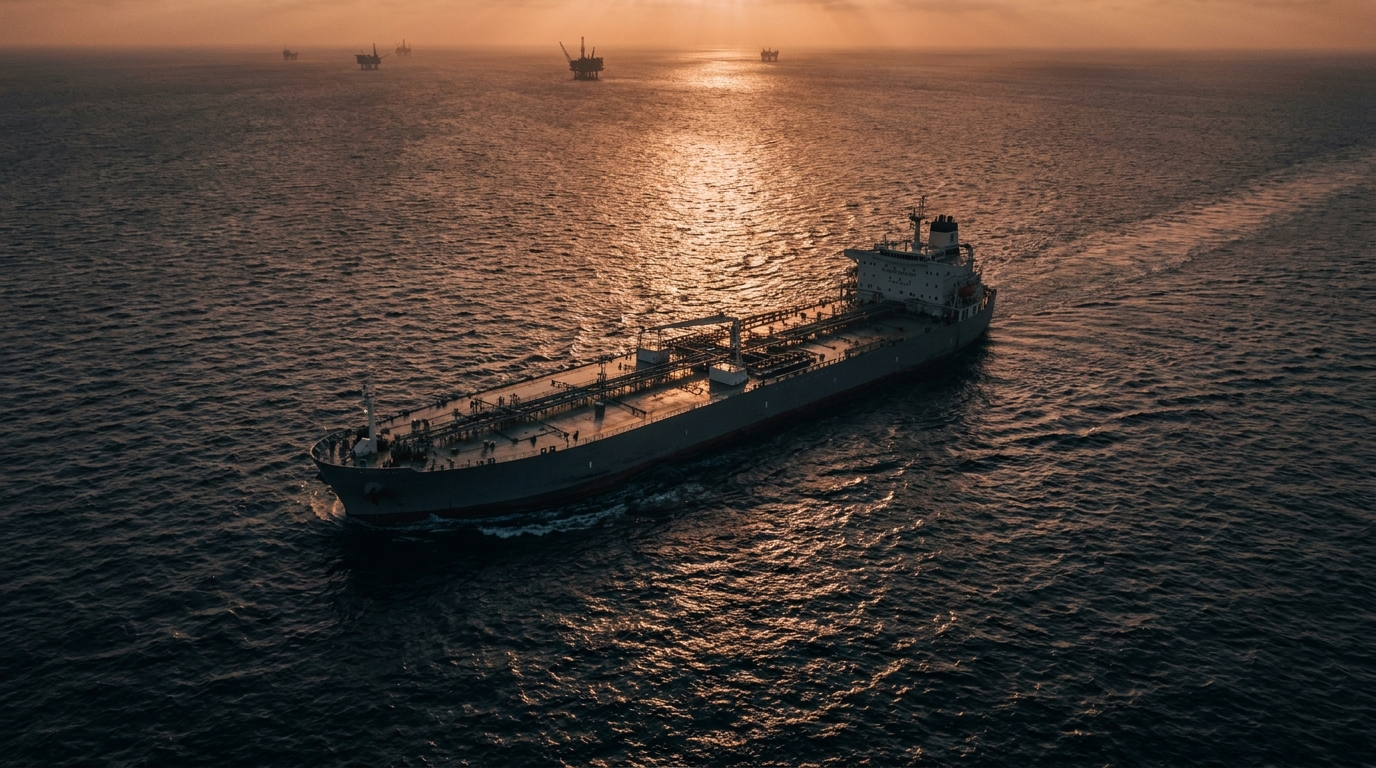
China reduced its crude imports by approximately 4 million barrels per day (mb/d) since the Iran-United States conflict erupted in late February 2026, according to Kpler data cited by Bloomberg on June 26. The contraction, the largest ever recorded by a single importer in oil market history, equals the combined consumption of Germany, France, and the United Kingdom.
Beijing's strategy, according to Bloomberg, combined three levers: cuts in refinery activity, releases from strategic reserves, and partial substitution with electric vehicles and coal. China's seaborne imports fell in June to 6.4 mb/d, their lowest level since October 2016, according to Kpler. The closure of the Strait of Hormuz, through which one-fifth of the world's oil and gas trade passes, drove international prices higher following the late-February bombardments. Beijing's demand adjustment kept Brent below $100 per barrel throughout the crisis. China also moved to consolidate access to Iranian crude at steep discounts through independent refineries, according to Bloomberg Línea.
The reordering of trade flows temporarily benefited alternative exporters. Mexico's export blend averaged $103 per barrel in May 2026, 79 percent higher than in May 2025, according to Bloomberg Línea. Pemex's export revenues rose 30 percent in May to $1.604 billion, despite a 24 percent drop in export volume to 513,000 barrels per day. Shipments to Europe and the Far East grew 156 and 148 percent, respectively, while exports to the Americas (primarily the United States) fell 30 percent, according to the same source.
The truce between Washington and Tehran, formalized on June 18, is already unwinding that premium. Iranian exports rebounded to 1.6 mb/d in the week following the agreement, and the Mexican blend fell to $68 per barrel. The market is now watching whether Sinopec and PetroChina will resume direct purchases of Iranian crude under the Office of Foreign Assets Control (OFAC) license, which remains in effect until August 21.
This article was drafted with artificial intelligence assistance from verified sources and reviewed by a human editor before publication.
Sources
Related stories
This article was drafted with AI assistance from verified sources and reviewed by a human editor before publication.
← All news