CENACE Operates at 7% Reserve Margin as Peak Demand Reaches 54,000 MW
Mexico's National Electricity System enters the critical summer window with an operating buffer just one percentage point above the 6 percent minimum threshold established by the Grid Code.
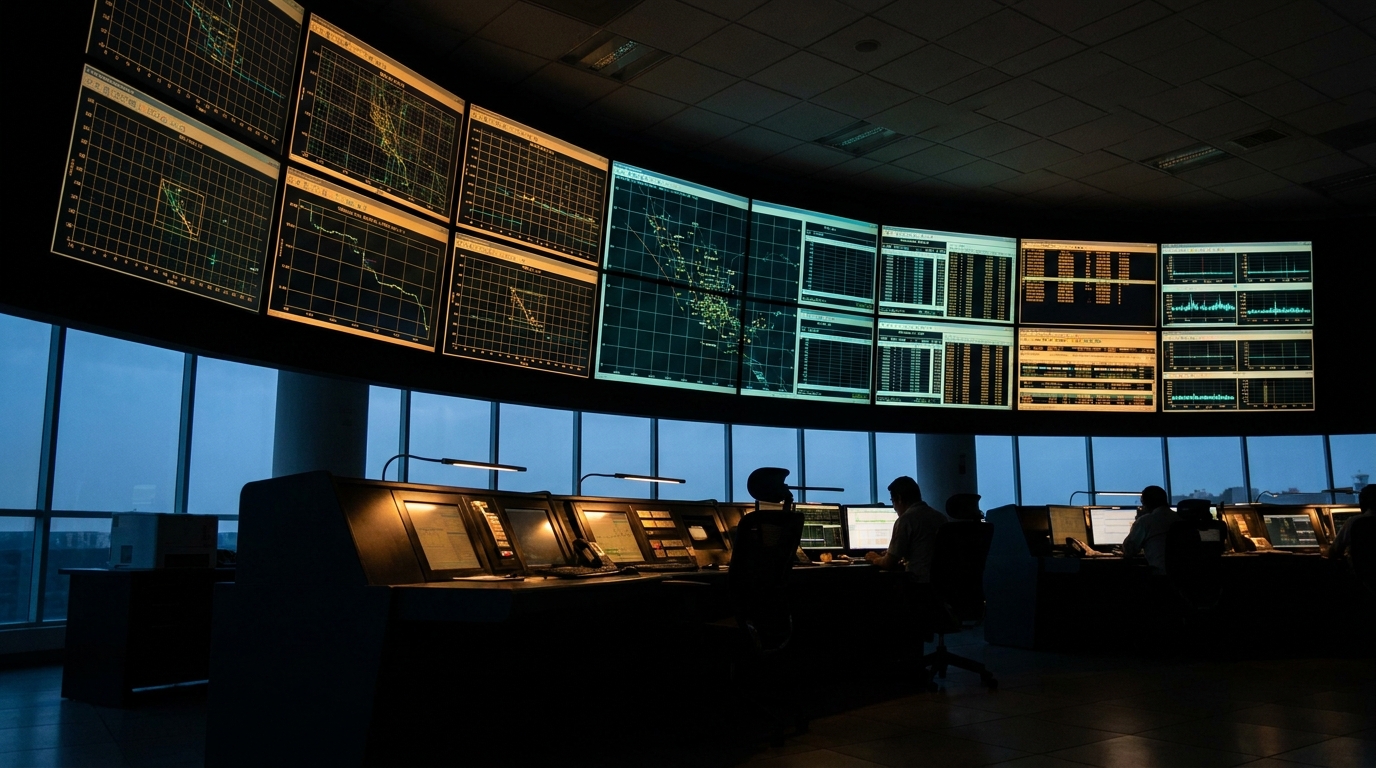
Mexico's National Electricity System (SEN) enters July with a projected peak demand of 54,000 megawatts (MW) and an operating reserve margin of 7 percent, just one percentage point above the 6 percent critical threshold established by the Grid Code, according to Bloomberg Línea.
The projection was announced in April by Ricardo Mota Palomino, director general of the National Energy Control Center (CENACE), at the Energy and Innovation Fair in Mexico City. Mota characterized the outlook as "a tight summer, but no deficit." The warning materialized sooner than expected: in the first week of May, an early heat wave pushing temperatures above 40 degrees Celsius in Nuevo León and the State of Mexico drove net demand above 48,000 MW, triggering an operational alert as margins fell below 6 percent, according to Mexico Business News.
Undersecretary of Electricity José Antonio Rojas Nieto has placed the worst-case reserve margin at 7 percent. Installed national capacity stands at roughly 92,000 MW, though not all of it is simultaneously dispatchable due to transmission constraints, fuel supply limitations, and maintenance requirements. The Yucatan Peninsula is the system's most vulnerable node: the risk lies not in generation capacity but in the reliability of natural gas supply in the southeast. CENACE ordered the emergency deployment of 150 MW of portable generation units from the Federal Electricity Commission (CFE) to the peninsula. On June 3, a fault on two 400 kV transmission lines between Escárcega and Ticul cut 579 MW of load in Yucatan and Quintana Roo for 19 minutes, according to CENACE.
The second phase of the Mérida-Valladolid gas pipeline, scheduled for completion this month, and the new combined-cycle plants in Mérida and Valladolid, which will add more than 1,500 MW of capacity, are the structural fixes designed to ease the peninsula's supply bottleneck. Any unplanned outage at a high-load node such as Mexico City, Monterrey, or Guadalajara will stress the system immediately.
This article was drafted with AI assistance from verified sources and reviewed by a human editor before publication.
Sources
Related stories
This article was drafted with AI assistance from verified sources and reviewed by a human editor before publication.
← All news