CENACE Projects Record Peak Demand of 55,600 MW; Reserve Margin Holds at 14.3%
CFE reports 62,712 MW of installed capacity and an operating reserve well above the 6 percent critical threshold heading into the summer heat season.
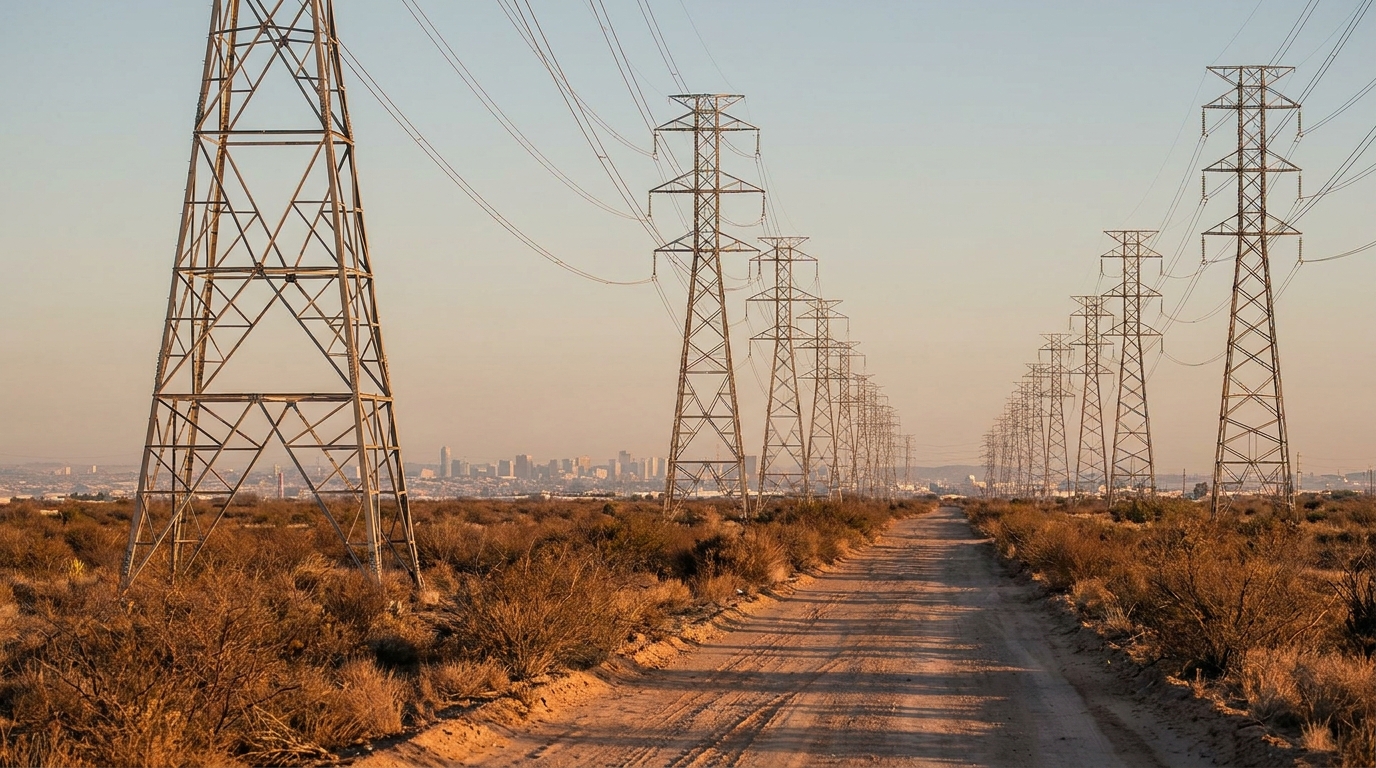
The Centro Nacional de Control de Energía (CENACE) has projected that peak demand on Mexico's National Electric System will reach 55,600 megawatts (MW) during the summer of 2026, surpassing the historical record of 52,993 MW set on June 21, 2023. The forecast was confirmed by the Director General of the Comisión Federal de Electricidad (CFE), Emilia Esther Calleja Alor, on July 14.
The projection reflects the combined effect of heat waves, industrial demand growth, and nearshoring expansion on the national grid. According to El Heraldo de México, Calleja reported that CFE holds 62,712 MW of installed capacity, covering 70 percent of national supply, and an operating reserve margin of 14.34 percent, well above the 6 percent critical threshold that triggers operational alerts in the system. The July figure contrasts sharply with the 7 percent worst-case scenario projected in April by the Electricity Undersecretary, according to Mexico Business News.
As part of the seasonal reinforcement, CFE has brought new combined-cycle plants online. Manzanillo III, with 346 MW of capacity, entered commercial operation on April 17, within a portfolio of 10 projects that will add 6,717 MW between 2025 and 2027. Calleja told Milenio that the company is investing 244 billion pesos in transmission (172 billion) and distribution (72 billion) this year, and that more than 150,000 maintenance activities have been carried out across the network. In parallel, CENACE is developing a probabilistic operating reserve methodology to replace the current fixed-percentage criterion, aiming to refine reliability assessments under high-stress scenarios.
The current reserve margin places the system above the operating minimum, but the decisive test will come with the peak heat of July and August. The grid's performance during peak-demand weeks will be the clearest indicator of whether the capacity plan and transmission investment can absorb the electrical growth accompanying nearshoring.
This article was drafted with artificial intelligence assistance from verified sources and reviewed by a human editor before publication.
Sources
Related stories
This article was drafted with AI assistance from verified sources and reviewed by a human editor before publication.