Brent Nears $100 After Houthi Attacks on Saudi Facilities
Brent climbs to $98.58 per barrel, near the $100 threshold, after Houthi attacks on Saudi facilities raise the cost of gasoline and diesel imports for Mexico.
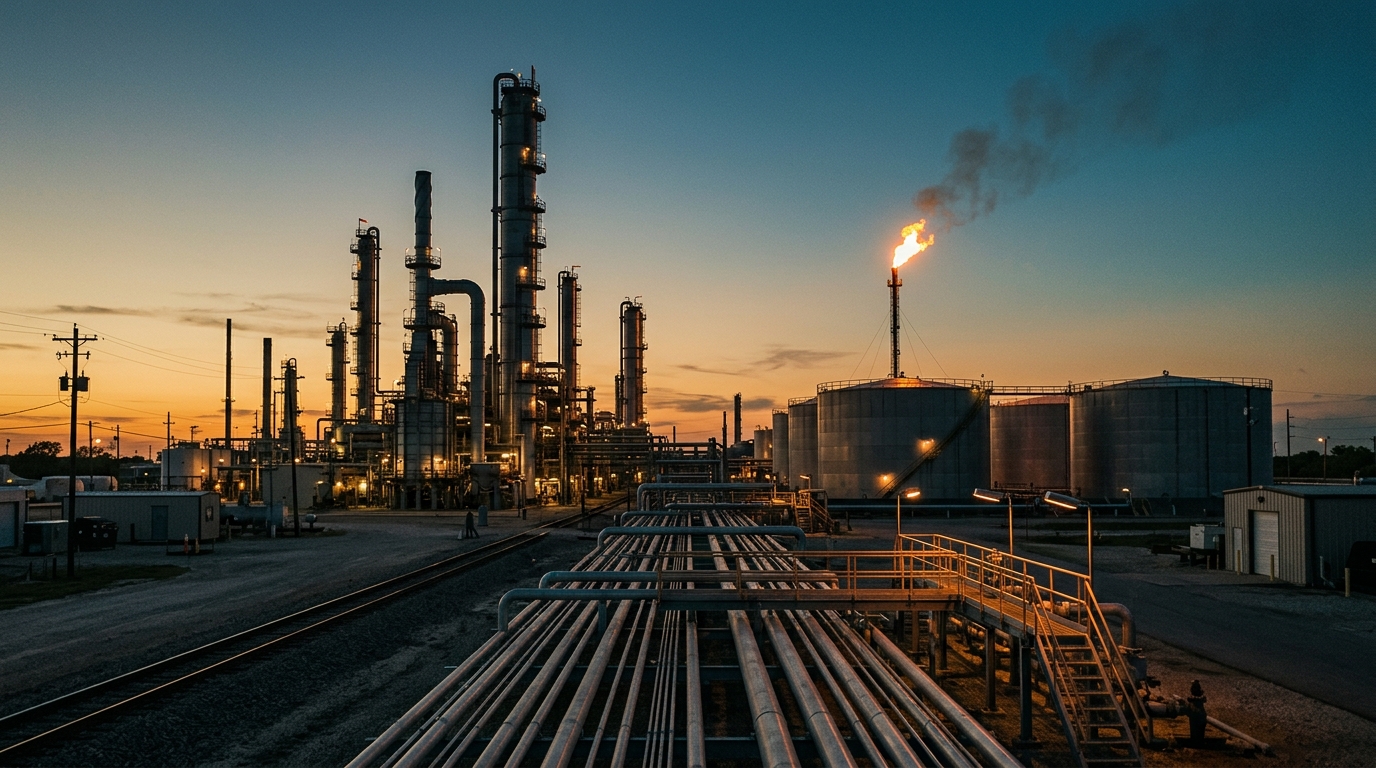
Brent crude rose 1.6% on September 8, 2026, to $98.58 per barrel, after Saudi Arabia reported that attacks forced operations to halt at several energy facilities in the south of the country, according to Bloomberg Línea. West Texas Intermediate (WTI), the North American crude benchmark, advanced 2.6%, to $93.86.
The attacks were attributed to Yemen's Houthis, Iranian allies, who claimed to have struck the Saudi Jazan refinery again (a facility with a 400,000-barrel-per-day capacity) and other domestic-market installations. Tensions eased partially after Iran's Foreign Minister Abbas Araghchi reported "significant progress" in talks with Oman to establish a temporary transit route through the Strait of Hormuz. The episode compounds the disruptions the Middle East war has inflicted on maritime crude transport, a situation that The Guardian's live tracker describes with energy prices still elevated and at risk of further increases.
For Mexico, a net importer of gasoline and diesel, every additional dollar in Brent raises the cost of external fuel purchases. Goldman Sachs raised its price estimates on the assumption that transportation disruptions will persist through 2027; "markets are increasingly pricing in a prolonged Middle East conflict," its analysts noted. Russell Hardy, CEO of commodity trader Vitol, estimated losses of around 2 million barrels per day of Middle East exports and another 2 million from Russia due to Ukrainian drone strikes, with flows through Hormuz at around 10 million barrels per day, close to half the pre-war level. Bank of England Governor Andrew Bailey said refining margins have widened, partly because of Russian refining capacity attacked by Ukraine. Brent has gained more than 60% year-to-date.
The next key reference is Friday's U.S. Consumer Price Index reading, which will condition the Federal Reserve's rate decision, along with progress in talks between Iran and Oman over the Strait of Hormuz. The full resumption of operations at the attacked Saudi facilities will be the signal for gauging whether Brent can hold the $100 level.
This article was drafted with artificial intelligence assistance from verified sources and reviewed by a human editor before publication.
Sources
Related stories
This article was drafted with AI assistance from verified sources and reviewed by a human editor before publication.