Brazil Ties Data Center Tax Incentives to Renewable Energy
Brazil's Senate approved the Redata regime, which conditions data center tax benefits on procuring renewable or low-emission energy.
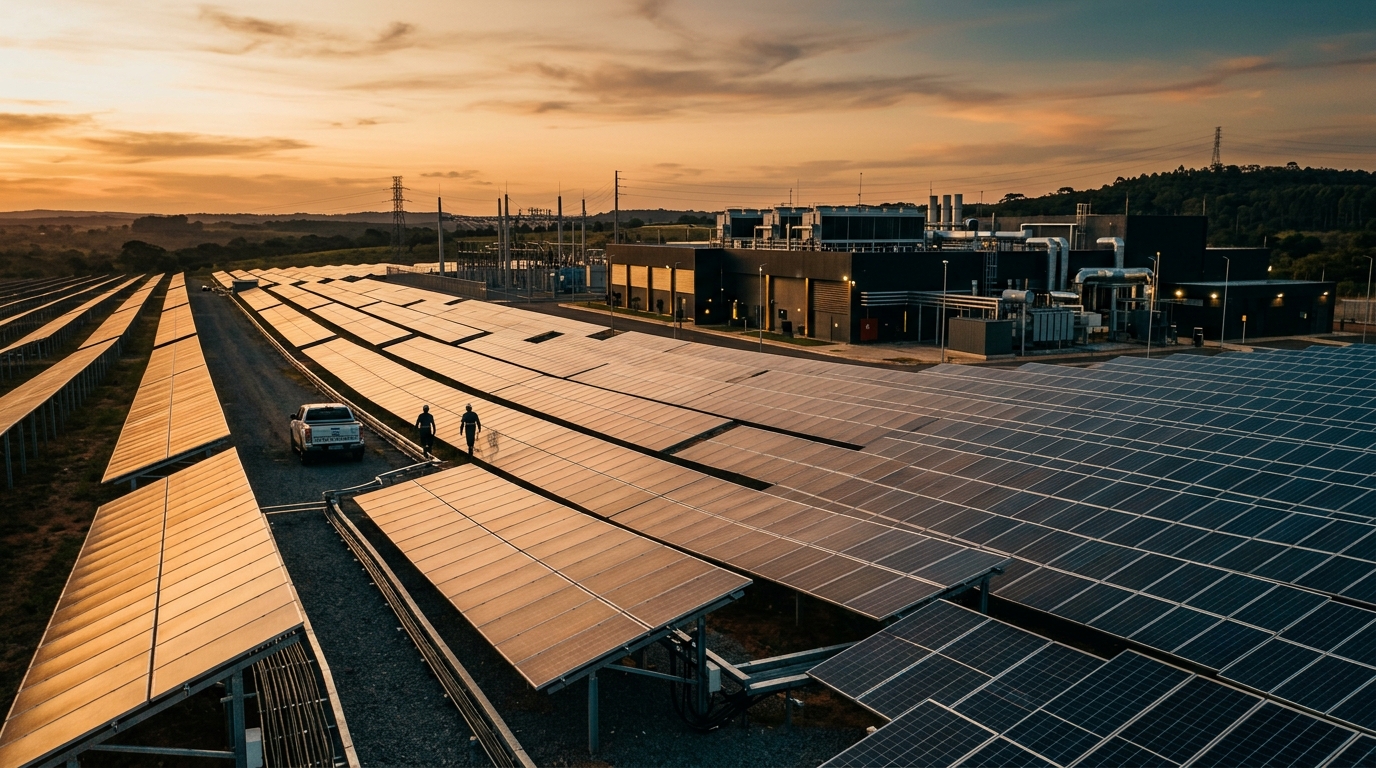
Brazil's Senate approved on September 1 the Redata special tax regime, which conditions data center tax benefits on covering all electricity demand with renewable or low-emission energy, according to pv magazine and Valor International. Bill 278/2026, already approved by the Chamber of Deputies, proceeded to presidential signature.
Redata replaces provisional measure 1,318/2025, which lapsed in February 2026. The Senate broadened the Chamber's language, which had referred to clean or renewable sources, settling on renewable or low-emission: solar and wind qualify as renewable, while hydroelectric, biomass, and biogas qualify as low-emission, with criteria to be defined by regulation. The official agency Agência Brasil reported that the rapporteur, Cid Gomes, defended the regime as a tax relief for the physical infrastructure that data processing requires, including cloud and artificial intelligence model training, and that the government estimates a fiscal waiver of 5,200 million reais in 2026 and around 1,000 million annually in the two following years.
The requirement places electricity procurement at the center of Brazil's policy to attract digital infrastructure investment, according to pv magazine, adding demand to an expanding free market. A survey by Clean Energy Latin America (CELA) cited by that publication counted 11 long-term contracts between 2021 and 2024, averaging 330 MW and totaling approximately 7,700 million reais (1,400 million dollars); seven were structured as self-generation and four as power purchase agreements (PPAs). Redata also requires reserving 10% of processing capacity for the Brazilian market, not exceeding 0.05 liters of water per kWh in cooling, and investing in Brazil 2% of the value of equipment acquired under the benefit. The suspension of federal taxes, including the import duty and the tax on industrialized products (IPI), runs for five years.
The next point to watch is the presidential signature and the regulation that will specify which sources qualify as low-emission, the definition the Senate left open. On that definition depends whether data centers consolidate as long-term buyers of solar and wind projects in the Brazilian market, a demand channel already emerging in the contracts recorded by CELA.
This article was drafted with artificial intelligence assistance from verified sources and reviewed by a human editor before publication.
Sources
Related stories
This article was drafted with AI assistance from verified sources and reviewed by a human editor before publication.